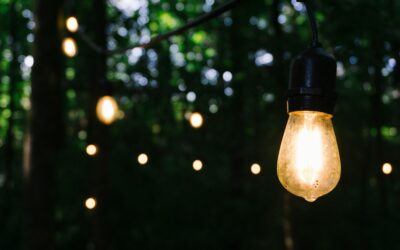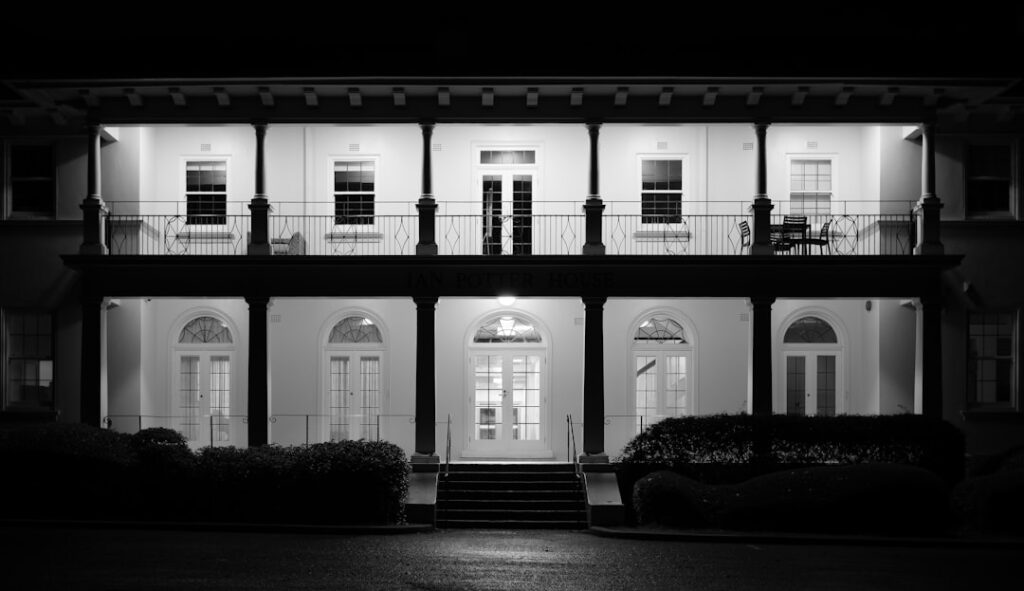
Great outdoor lighting ideas for front of house do far more than illuminate the walkway; they define your home’s nighttime personality, improve safety, deter intruders, and add measurable curb appeal that pays off at resale. A thoughtfully lit facade welcomes guests, highlights your home’s best architectural features, and makes the entrance feel secure and inviting. This guide walks American homeowners through practical, attractive lighting strategies for the front of the house, from layered techniques to fixture choices and smart controls.
Part of our Windows & Doors guide — explore the full guide →
- Start With Layered Lighting
- Illuminate the Front Entry
- Light the Path and Steps
- Highlight Architecture With Uplighting
- Feature Trees and Landscaping
- Don't Forget the Garage and Driveway
- Security-Focused Lighting
- Choosing Fixtures and Bulbs
- Low-Voltage vs. Line-Voltage Systems
- Smart Controls and Automation
- Common Lighting Mistakes to Avoid
- Seasonal and Holiday Flexibility
- Bringing It All Together
Start With Layered Lighting
Professional landscape designers rely on layering, and it’s the foundation of a beautiful front-of-house scheme. Rather than relying on a single bright fixture, you combine three layers: ambient lighting that provides general illumination, task lighting that lights specific areas like the front door and steps, and accent lighting that highlights features like trees, columns, or textured walls. Layering avoids the harsh, flat look of one glaring floodlight and instead creates depth, warmth, and visual interest across the whole facade.
Illuminate the Front Entry
The front door is the focal point, so start there. Flanking the door with a matched pair of wall sconces creates symmetry and a welcoming glow, while a single sconce works for off-center or side entries. Size matters: sconces should be roughly one-third the height of the door, and mounted about 66 inches from the ground to eye level. For covered porches, a hanging pendant or lantern adds character. Warm white bulbs in the 2700K to 3000K range flatter skin tones and give a cozy, inviting feel, whereas cooler light can look stark at a residential entrance.
Light the Path and Steps
Safety and beauty meet along the walkway. Path lights spaced evenly, typically 6 to 8 feet apart, guide visitors from the driveway to the door and prevent trips in the dark. Avoid the runway effect of lining both sides in rigid rows; a gently staggered arrangement looks more natural. Steps deserve special attention: recessed riser lights, hardscape lights tucked under a cap stone, or well-placed path fixtures keep every stair visible. These low-level lights dramatically reduce the risk of falls while adding a polished, professional touch.
Highlight Architecture With Uplighting
Uplighting is one of the most dramatic techniques for the front of a house. By placing fixtures at ground level and aiming them upward, you accentuate columns, stone or brick facades, gables, and interesting rooflines. A few tips make uplighting work:
- Graze textured surfaces like stone or brick by placing the light close to the wall for dramatic shadow play.
- Wash smooth walls by pulling the fixture back for even, soft illumination.
- Uplight columns and pillars to emphasize height and structure.
- Use warm color temperatures to keep the effect elegant rather than commercial.
Uplighting turns a plain facade into a striking nighttime silhouette and is especially effective on two-story and traditional homes.
Feature Trees and Landscaping
Your front yard’s trees and shrubs become nighttime art with the right lighting. Uplighting a mature shade tree from two or three angles reveals its canopy and branch structure. Small ornamental trees glow beautifully with a single well light at the base. Moonlighting, placing fixtures high in a large tree to cast dappled light downward through the branches, mimics natural moonlight on the ground and is one of the most magical effects available. Grazing light across ornamental grasses or a manicured hedge adds texture and dimension along the foundation.
Don’t Forget the Garage and Driveway
The garage often occupies a large share of the front facade, so lighting it well balances the composition. Wall-mounted lanterns on either side of the garage doors echo the entry sconces and light the approach. Along the driveway, low path lights or bollards guide vehicles and pedestrians. If your garage sits forward of the house, taking care to light it proportionally keeps it from becoming a dark void that unbalances the design. Motion-activated fixtures here add security when you arrive home after dark.
Security-Focused Lighting
Lighting is a proven deterrent, and blending security with aesthetics is easy today. Motion-sensor floodlights tucked at the corners of the house and above the garage light up when someone approaches, startling would-be intruders while saving energy the rest of the night. Dusk-to-dawn photocell fixtures ensure the entry is never left dark. For the best of both worlds, keep decorative low-level lighting on all evening for beauty, and reserve bright motion floods for detecting movement. Well-lit entrances and dark hiding spots eliminated make a home a far less appealing target.
Choosing Fixtures and Bulbs
Fixture quality determines how long your investment lasts outdoors. Look for die-cast aluminum, brass, or copper fixtures rated for wet or damp locations; brass and copper develop an attractive patina and last decades. LED bulbs are the clear choice today, using a fraction of the energy of old incandescent or halogen lamps and lasting 15,000 to 50,000 hours, which means far fewer trips up a ladder. Stick with warm white 2700K to 3000K bulbs for a residential glow, and match color temperatures across all fixtures so the scheme looks unified rather than patchwork.
Low-Voltage vs. Line-Voltage Systems
Most residential landscape lighting uses a low-voltage 12-volt system powered by a transformer that steps down household current. Low-voltage systems are safer to install, DIY-friendly, and easy to expand, making them the standard for path and accent lighting. Line-voltage 120-volt fixtures are typically reserved for wall sconces, floodlights, and other fixtures wired directly into the home’s electrical system. Many homeowners install low-voltage landscape lighting themselves with a plug-in transformer, buried cable, and push-connect fixtures, while leaving line-voltage wiring to an electrician.
Smart Controls and Automation
Modern controls make front-of-house lighting effortless. Timers turn lights on at dusk and off at a set hour automatically. Photocells respond to natural light so the system adjusts with the seasons. Smart transformers and bulbs let you dim, schedule, and control everything from your phone or a voice assistant, and even change colors for holidays. Automating your lighting means you never come home to a dark house and never waste energy leaving lights on all night. Pairing smart controls with LED efficiency keeps operating costs minimal.
Common Lighting Mistakes to Avoid
Even well-intentioned lighting projects can miss the mark, and knowing the common pitfalls helps you sidestep them. The most frequent mistake is over-lighting, blasting the whole facade with bright floodlights that flatten every detail and create harsh glare rather than the warm, layered look that flatters a home. Another error is mismatched color temperatures, mixing cool bluish bulbs with warm ones so the facade looks patchy and uncoordinated; keep everything in the 2700K to 3000K range. The runway effect, lining a walkway with evenly spaced path lights in rigid rows, looks institutional rather than inviting, so stagger them gently instead. Undersized wall sconces that look like postage stamps beside a large door are a proportion mistake, as are fixtures aimed carelessly so they shine into windows or a neighbor’s yard. Finally, ignoring the direction of light causes glare; shield fixtures and aim them at surfaces rather than at eye level. Avoiding these errors is often what separates an amateur result from one that looks professionally designed.
Seasonal and Holiday Flexibility
Planning your front-of-house lighting with the seasons in mind adds versatility and long-term value. As days shorten in fall and winter, your dusk-to-dawn and timer settings should adjust so lights come on earlier, and smart systems handle this automatically by tracking sunset. Building in a few weatherproof outdoor outlets near the eaves and along the walkway makes hanging holiday lights vastly easier and safer, sparing you from running extension cords through a window. Color-changing smart bulbs in select fixtures let you shift to festive tones for holidays without installing separate decorative lighting. Consider how snow, fallen leaves, and summer foliage change the way light plays across your yard; a spotlight perfectly aimed at a bare tree in winter may be swallowed by full summer leaves, so choose adjustable fixtures you can retarget. Thinking a full year ahead ensures your lighting looks intentional and works beautifully in every season rather than only on the day you installed it.
Bringing It All Together
The best outdoor lighting ideas for front of house layer entry, path, accent, and security lighting into a cohesive scheme that flatters your architecture and welcomes everyone who approaches. Start with the front door, guide guests safely along the walk, uplight your best features, and highlight the trees that frame your home. Choose durable fixtures and warm LED bulbs, keep color temperatures consistent, and add smart controls for convenience and savings. With a modest budget and a weekend of planning, you can transform your home’s nighttime appearance, boost safety, and add curb appeal that neighbors and buyers alike will notice.