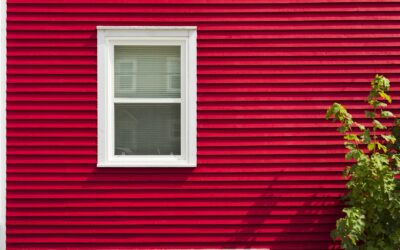
Siding has moved far beyond vinyl lap and builder-grade stucco — modern outdoor paneling options include fiber cement, composite wood, horizontal slat systems, stone veneer, and metal. Each looks different, costs differently, and handles weather differently. Picking the wrong material for your climate can mean replacing your exterior walls in 10 years instead of 40. Below is a full breakdown of the major categories with real installed costs, performance data, and the applications where each one actually makes sense.
Part of our Windows & Doors guide — explore the full guide →
Fiber Cement: The Industry Workhorse
Hardie Plank and Allura dominate the fiber cement market. The boards are a Portland cement, sand, and cellulose fiber composite — fireproof, rot-proof, termite-proof, and rated for 30-50 year service life. Installed cost runs $9-$15 per square foot.
Fiber cement handles every US climate zone well, from frozen Minnesota winters to humid Florida coastlines. The boards hold paint for 12-15 years before needing a refresh, compared to 6-8 years for wood. The downside is weight — fiber cement is heavy to install and requires staging.
Composite Wood Panels
Composite siding (LP SmartSide, TruWood) combines wood fiber with resin binders to resist rot and insects while looking more authentic than fiber cement. Installed cost runs $7-$12 per square foot, slightly cheaper than fiber cement.
Composite ships pre-primed, takes paint beautifully, and cuts with standard woodworking tools — no special blades needed. The 50-year substrate warranty is strong, though the factory paint typically warranties for 5-7 years before homeowner recoating.
Real Wood Slat Systems
Horizontal wood slat panels have exploded in modern architecture. Thermally modified ash, ipe, western red cedar, and accoya wood all make premium slat systems that age beautifully.
- Thermally modified ash: $12-$18 per sq ft installed, 25-30 year life, silver-gray patina
- Ipe (Brazilian walnut): $18-$28 per sq ft installed, 50+ year life, dense and heavy
- Western red cedar: $8-$15 per sq ft, natural rot resistance, warm red-brown color
- Accoya: $15-$22 per sq ft, acetylated pine, dimensional stability, 50-year above-ground warranty
Install slats with a rainscreen gap of at least 3/4 inch behind the boards for airflow. Without it, trapped moisture rots the back face of the wood within a decade.
Stone Veneer
Manufactured stone veneer (cultured stone) gives the look of natural stone at one-third the cost. Brands like Cultured Stone, Eldorado Stone, and Boral deliver installed costs of $12-$25 per square foot for medium-complexity installs.
Stone veneer works beautifully as an accent — around the front entry, on a foundation wainscot, or on a single accent wall — but rarely for an entire elevation unless you are aiming for a mountain-lodge aesthetic. Proper installation requires a weather-resistant barrier, a scratch-coat mortar base, and flashing at every transition to prevent water intrusion behind the stone.
Metal Paneling
Standing-seam metal, corrugated steel, and rusting Corten panels have become a major category in modern and industrial-style homes. Installed cost ranges widely — $10-$30 per square foot depending on complexity.
Pros include 40-60 year service life, total fireproofing, and clean modern lines. Cons include thermal expansion noise (metal pings loudly with temperature swings), higher installation skill required, and relatively high upfront cost. Best used on accent areas, gables, or in contemporary architecture where the look matters.
Vinyl and Budget Options
Standard vinyl lap siding still dominates the entry-level market at $4-$8 per square foot installed. Modern insulated vinyl (CertainTeed CedarBoards, Kaycan) looks better than the flat vinyl of past decades and adds R-value.
Vinyl resists moisture and insects, never needs painting, and installs quickly. The trade-offs: it fades in direct sun, cracks in cold impact, and visually reads as lower-end than fiber cement or wood. For budget renovations, it makes sense; for forever-home construction, most owners step up.
Stucco and EIFS
Traditional three-coat stucco is the dominant exterior in the Southwest and parts of California. Installed cost runs $8-$14 per square foot for traditional stucco, $10-$18 for EIFS (exterior insulation and finish system).
Stucco tolerates dry climates beautifully and has been used in the region for centuries. In wet climates, it performs poorly — traps moisture behind the cement layer and leads to rot and mold problems. Do not specify stucco in the Pacific Northwest, New England, or the Southeast without a proper drainage cavity system.
Choosing By Climate
Matching material to climate is the single biggest factor in exterior longevity:
- Hot, humid Southeast: fiber cement or brick — both resist rot and insects
- Cold Northeast and Midwest: fiber cement or composite wood handle freeze-thaw cycles
- Pacific Northwest: rainscreen wood or fiber cement with proper drainage
- Arid Southwest: stucco, fiber cement, or metal all perform well
- Coastal salt-air zones: fiber cement or marine-grade metal; avoid untreated wood
Installation Considerations
Every exterior system shares a few requirements regardless of material:
- A properly lapped weather-resistant barrier (house wrap) behind the panels
- Flashing at every window, door, and horizontal transition
- Adequate ventilation behind the panels (rainscreen gap) for wood and some composites
- Corrosion-resistant fasteners (stainless or hot-dip galvanized)
- Careful sealing at all penetrations — hose bibs, vents, electrical
Maintenance by Material
Annual maintenance expectations:
- Vinyl: light power wash every 1-2 years
- Fiber cement: paint every 12-15 years, touch up caulk yearly
- Composite: paint every 10-12 years, inspect seams
- Wood: re-stain or paint every 3-7 years depending on exposure
- Stone veneer: inspect mortar joints annually, repoint as needed
- Metal: tighten fasteners every 5 years, inspect for rust (non-Corten)
Making the Final Choice
The right outdoor paneling depends on budget, climate, and how long you plan to stay. For a forever home in almost any climate, fiber cement and composite are the best value overall — enough design flexibility, long service life, and manageable maintenance. For a modern accent or a striking architectural statement, a real wood slat wall or a stone veneer feature earns its premium. For a short-term flip, vinyl still delivers the fastest install at the lowest cost. Match the material to the actual use case and both the wallet and the curb appeal hold up.