
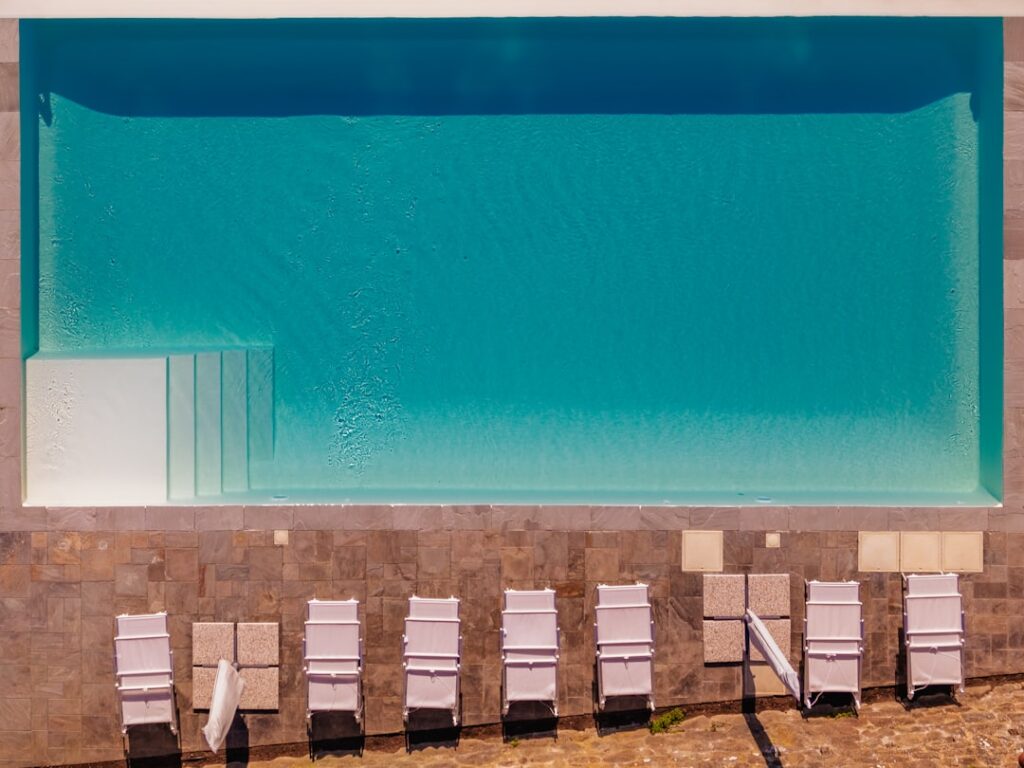
An outdoor room transforms underused backyard space into a functional living area you will use daily from spring through fall — and year-round in milder climates. Think of it as an extension of your home’s square footage without the cost of a full addition. While a home addition runs $150-$300 per square foot, a well-designed outdoor room averages $30-$80 per square foot and adds measurable value to your property.
Defining Your Outdoor Room
Every successful outdoor room starts with a clear purpose. Are you building a dining space, a lounge area, a cooking station, or a combination? Defining the primary function drives every subsequent decision — from dimensions to furniture to electrical needs.
A dedicated outdoor dining room needs at minimum 12×14 feet to accommodate a 6-person table with comfortable circulation space. A lounge-focused room works in 10×12 feet with a sofa, chairs, and a coffee table. Multi-function spaces that combine cooking, dining, and lounging need 300-500 square feet to avoid feeling cramped. Sketch your layout on graph paper before purchasing a single item — measure twice, buy once applies to outdoor spaces just as much as indoor renovations.
Shelter and Enclosure Options
Some overhead protection converts a patio from fair-weather-only to a reliable three-season space. Pergolas ($3,000-$10,000 installed) provide partial shade and define the room’s footprint. Add retractable shade canopies ($200-$800) between the beams for rain and sun protection on demand.
Solid roof structures — attached patio covers or freestanding pavilions — cost $5,000-$20,000 but deliver complete weather protection. Aluminum patio covers from brands like Alumawood ($15-$25 per square foot installed) resist rot and require zero maintenance. For full enclosure, screen rooms ($3,000-$12,000) keep insects out while maintaining airflow. Motorized screen systems from Phantom or Mirage ($1,500-$5,000 per opening) retract when not needed, preserving the open-air feel.
Flooring That Grounds the Space
Your outdoor room floor defines the space visually and physically. Concrete pavers ($8-$25 per square foot installed) offer versatility in pattern and color — herringbone, running bond, and basketweave layouts each create distinct character. Porcelain tile rated for outdoor use ($10-$30 per square foot) delivers an upscale look with superior stain resistance.
Composite decking works for elevated outdoor rooms and costs $6-$14 per square foot for materials. Natural stone — flagstone, bluestone, travertine — ranges from $15-$40 per square foot installed and ages beautifully. Pea gravel ($1-$3 per square foot) provides the most budget-friendly base for a casual outdoor room, though it shifts underfoot and is not ideal for dining areas where chair legs need stability.
Furniture Selection and Arrangement
Invest in furniture built for permanent outdoor placement. All-weather wicker (synthetic resin over aluminum frames), teak, powder-coated aluminum, and HDPE lumber (brands like Polywood) withstand UV exposure, rain, and temperature extremes without deterioration.
Arrange furniture to create conversation groupings — seat pieces within 8-10 feet of each other so voices carry comfortably. Anchor the layout with an outdoor area rug (polypropylene, 8×10 or 9×12) that defines the room boundary. Include side tables within arm’s reach of every seat. Budget $2,000-$8,000 for a complete outdoor room furniture set — quality pieces last 15-20 years versus 3-5 years for budget alternatives that crack, fade, and wobble.
Outdoor Kitchen and Cooking Features
Adding cooking capability turns an outdoor room into a true entertaining destination. A built-in gas grill ($500-$3,000 for the grill alone) anchors most outdoor kitchens. Surround it with counter space — 36 inches of prep area on each side is the minimum functional layout.
Counter materials include granite ($50-$100 per square foot), concrete ($65-$100), and tile ($20-$50). Add a small refrigerator ($200-$600), a sink with running water ($300-$800 including plumbing), and you have a workable cooking station. Full outdoor kitchens with cabinetry, pizza ovens, and bar seating range from $5,000-$30,000. Run a dedicated 20-amp electrical circuit and a gas line during initial construction to avoid costly retrofits later.
Lighting and Electrical
Proper lighting makes your outdoor room usable after sunset. Layer three types: task lighting over cooking and dining areas, ambient lighting for general illumination, and accent lighting for atmosphere. Pendant lights or a ceiling fan with integrated light ($150-$500) provide overhead task lighting under covered structures.
Low-voltage LED landscape lighting ($200-$600 for a complete system) handles ambient and accent duties. Uplights on trees or architectural features create dramatic backdrops. Include at least two GFCI-protected outdoor outlets for blenders, speakers, and device charging. A ceiling fan rated for damp or wet locations ($150-$400) extends comfort through summer by creating a wind-chill effect equivalent to dropping the perceived temperature by 6-8°F.
Year-Round Comfort Additions
Extend your outdoor room’s usability into cooler months with targeted heating. Propane patio heaters ($150-$400) warm a 15-foot radius and are portable. Infrared electric heaters ($200-$600 per unit) mount overhead and heat people and objects rather than ambient air, making them more efficient in open or semi-enclosed spaces.
A fire pit or fire table ($300-$2,000) serves double duty as a heat source and social focal point. Gas-powered fire features offer instant ignition and clean operation, while wood-burning options provide the crackling ambiance many homeowners prefer. For summer comfort, misting systems ($50-$300) lower the surrounding temperature by 15-25°F through evaporative cooling. Building an outdoor room with year-round comfort features ensures it becomes a daily living space rather than a seasonal novelty collecting dust half the year.


