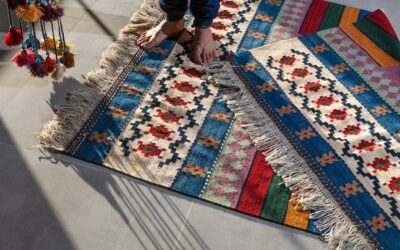
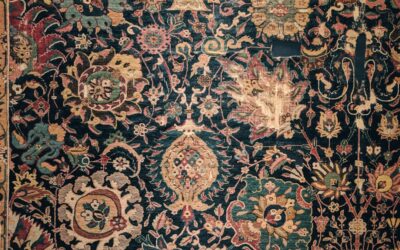
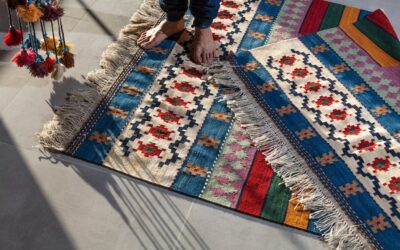
An outdoor rug 7×10 is the workhorse size for medium patios and deck seating areas, and it hits a sweet spot between coverage and cost. Because an outdoor rug 7×10 measures 84 inches by 120 inches, it defines a conversation zone without overwhelming a smaller outdoor space or demanding the premium price of a large 12×16. If you have a patio that feels like bare concrete or plain decking, this is often the size that turns it into a proper outdoor room.
Part of our Windows & Doors guide — explore the full guide →
Below I cover exactly what a 7×10 fits, which materials survive the elements, how to place and anchor it, and what you should budget. These recommendations come from years of specifying outdoor textiles that have to hold up to sun, rain, and foot traffic season after season.
What a 7×10 Outdoor Rug Actually Fits
A 7×10 is a medium rug. It works best under a compact seating group rather than a full dining set. Here is where it shines:
- Medium patio (10×12 to 12×14): leaves a clean 12-to-18-inch border of patio around the rug.
- Deck seating group: a loveseat or small sofa plus two chairs and a coffee table, with front legs resting on the rug.
- Balcony or small terrace: fills the usable floor while keeping a bare edge for drainage.
- Under a bistro set: generous coverage for a two-to-four-seat cafe table.
When You Need to Size Up
Be realistic about dining sets. A four-to-six-seat outdoor dining table needs a rug large enough that chairs stay on it when pulled out, and a 7×10 usually is not enough for that. For a six-seat dining set, plan on a 9×12 or larger so you have 24 inches of clearance on every side of the table. Use the 7×10 for lounge seating and step up for full dining.
A quick way to check fit is to measure your furniture footprint before you shop. Lay out painter’s tape in an 84-by-120-inch rectangle on the patio, then arrange your actual chairs and sofa inside it. If chairs slide off the tape when you sit down, you need a larger rug. This five-minute test saves you the hassle of returning a heavy rug, and it tells you instantly whether a 7×10 is the right call or whether your seating group has outgrown it. When in doubt for a lounge grouping, the 7×10 is usually plenty.
Outdoor Rug Materials That Last
The material is what separates a rug that lasts five years from one that fades and frays in a single summer. Nearly all quality outdoor rugs are made from synthetic fibers engineered to shed water and shrug off sun.
Polypropylene
Polypropylene, also sold as olefin, is the most common outdoor rug fiber. It is inexpensive, quick-drying, mold-resistant, and holds color well. Most 7×10 outdoor rugs in the $50 to $150 range are polypropylene, and it is a reliable choice for the majority of patios.
PET and Recycled Fibers
PET is a polyester fiber often spun from recycled plastic bottles. It tends to feel softer underfoot than polypropylene and offers rich color saturation. Recycled-content rugs appeal if sustainability matters to you, and they perform comparably to virgin synthetics. Expect to pay a little more, generally $100 to $250 at the 7×10 size.
UV and Mildew Resistance
Two forces destroy outdoor rugs: ultraviolet light and trapped moisture. Look for a rug explicitly labeled UV-stabilized or fade-resistant, because raw synthetic yarn will chalk and lighten under direct sun within a season. If your patio faces south or west and bakes all afternoon, prioritize UV rating over everything else.
Mildew is the second enemy. Synthetic fibers themselves do not feed mold, but dirt and organic debris trapped in a damp rug will. Choose a flat, tight weave that dries fast, and never leave the rug sitting on a puddle. A rug that drains and breathes stays clean.
Placement on Your Patio or Deck
Good placement makes the whole space feel deliberate. Follow these rules:
- Leave a patio border. Keep 12 to 18 inches of exposed patio or decking between the rug edge and any railing, wall, or step. This frames the rug and keeps a walkable margin.
- Front legs on for seating. Position your sofa and chairs so their front legs sit on the rug and the back legs rest just off it. This ties the group together on a 7×10 without needing to fit every piece fully on.
- Center it on the focal point. Align the rug with your fire pit, coffee table, or the view, not necessarily the geometric center of the patio.
- Mind the door swing. If the rug sits near a slider or French door, make sure the door clears the pile.
Securing an Outdoor Rug Against Wind
The single most common complaint about outdoor rugs is that they blow around or flip up at the corners. A few measures solve this completely:
- Use an outdoor rug pad. A pad made specifically for outdoor use grips the surface and, crucially, lets water pass through so it does not trap moisture. Skip solid rubber pads outdoors, they hold water.
- Weight the corners with furniture. Placing heavy pieces on at least two corners anchors the rug naturally.
- Add outdoor rug stakes or spikes on grass or soft ground to pin the corners down.
- Choose a flatweave. Low-profile flatweave rugs catch far less wind than thick, high-pile styles.
Cleaning a 7×10 Outdoor Rug
Cleaning is one of the great advantages of outdoor rugs, because most are built to be hosed off. Here is the routine:
- Shake or sweep loose dirt and debris regularly.
- Hose it down with a garden hose for a deeper clean. For stubborn spots, use mild dish soap and a soft brush, then rinse thoroughly.
- Dry flat. Hang the rug over a railing or lay it flat in the sun until it is completely dry on both sides before putting it back down. Trapped dampness is what breeds mildew.
- Store for winter. In harsh climates, roll and store the rug in a dry place over the off-season to extend its life.
What a 7×10 Outdoor Rug Costs
Pricing for an outdoor rug 7×10 typically falls between $50 and $250:
- $50 to $100: basic polypropylene flatweave, solid or simple pattern. Good for renters and seasonal use.
- $100 to $175: better polypropylene or PET, UV-treated, richer patterns, reversible construction.
- $175 to $250: premium recycled PET, thicker feel, designer patterns, and stronger fade resistance.
A dedicated outdoor pad adds roughly $25 to $50. Given how much a rug transforms a patio, the mid-tier range is usually the best value.
Lifespan and Realistic Expectations
A quality outdoor rug that is UV-stabilized, cleaned periodically, and stored over winter will typically last three to five years of regular exposure. Left out year-round in intense sun without care, even a good rug may show fading in a couple of seasons. Rotating it a couple of times a year evens out both wear and sun exposure.
Final Thoughts on the Outdoor Rug 7×10
An outdoor rug 7×10 is the right size for a medium patio or a deck seating group, delivering real coverage at a friendly price. Choose a UV-stabilized synthetic like polypropylene or recycled PET, leave a 12-to-18-inch patio border, anchor the corners with an outdoor pad and furniture, and hose it clean as needed. Reserve larger sizes for full dining sets, and this workhorse will define your outdoor room for years. Measure your seating group before you buy, confirm the front legs will land on the rug, and you will get the proportions right the first time.