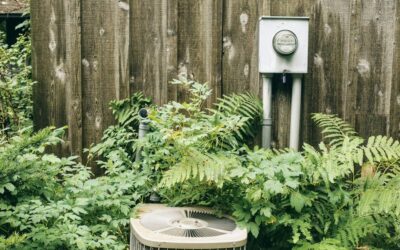
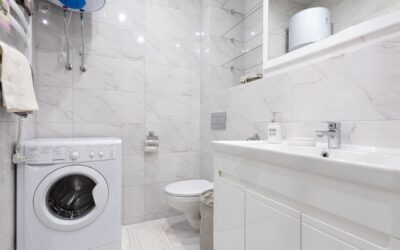
Installing a water heater outside sounds unusual until you run out of indoor mechanical space. An outdoor water heater mounts on an exterior wall or sits in an enclosure, freeing up a closet or garage corner while venting combustion gases straight to open air. It is a common setup in warm regions and increasingly popular for pool houses, outdoor kitchens, and additions. The catch is freeze protection, which makes or breaks these units in any climate that sees a hard frost.
Part of our Windows & Doors guide — explore the full guide →
Why Homeowners Put Water Heaters Outside
Space is the top driver. Tankless outdoor units are the size of a carry-on suitcase and hang on a wall, reclaiming the footprint an indoor tank would eat. Venting is the second reason: gas models designed for outdoor use skip the expensive flue and clearance requirements that indoor installs demand, since exhaust simply disperses outside.
Outdoor placement also suits detached and seasonal uses. Pool cabanas, guest casitas, workshops, and outdoor showers all benefit from a dedicated heater close to the point of use, avoiding the long, heat-losing pipe runs from a distant main tank.
Tankless vs. Tank Outdoor Models
The vast majority of outdoor units are tankless, and for good reason. Their compact bodies handle exterior mounting well and they only heat water on demand, avoiding the standby loss that plagues a tank sitting in cold air. A traditional tank can go outside inside an insulated enclosure, but it fights the ambient temperature constantly.
- Outdoor tankless: wall-mounted, endless hot water, best for exterior use
- Enclosed tank: requires a heated or insulated shed, higher standby loss
- Heat pump: efficient in warm climates but struggles below 40°F
For nearly every outdoor application, a gas or electric tankless model designed and rated specifically for outdoor installation is the right call.
Freeze Protection Is Non-Negotiable
The number one enemy of any outdoor water heater is a freeze. When water inside the heat exchanger freezes, it expands and cracks the copper, a repair that often costs more than the unit. Manufacturers build in several defenses, and you must respect them.
Most outdoor tankless units include internal ceramic freeze-protection heaters that automatically warm the exchanger when temperatures drop, but these only work with power connected. A power outage during a cold snap disables them, so many owners add self-regulating heat tape on the exposed pipes and keep the unit on a circuit that stays live. In severe climates, plan to drain the unit if power reliability is a concern.
Installation Requirements
Outdoor units still demand a proper install. Gas models need a correctly sized gas line, an accessible shutoff, and clearance from windows and doors so exhaust does not drift indoors. Electric tankless heaters draw serious amperage, often requiring dedicated 40- to 60-amp circuits, so verify your panel has capacity before committing.
- Mount on a solid, weather-protected wall out of direct rain when possible
- Keep the exhaust area clear of eaves, vents, and combustibles
- Install a drain-down valve for winterizing in cold zones
- Use outdoor-rated electrical connections and a GFCI where required
What It Costs to Install
An outdoor tankless gas unit runs $800 to $1,500 for the appliance, with professional installation adding $1,000 to $2,500 depending on gas and water line work. Electric models cost a bit less up front but may need a panel upgrade that adds $500 to $2,000. Adding heat tape and freeze protection accessories runs another $100 to $300 but is cheap insurance against a cracked exchanger.
Best Climates for Outdoor Units
These systems shine in the South and West, where hard freezes are rare and mild winters let the built-in protection coast. Homeowners in Texas, Arizona, Florida, and California install them freely. In the northern tier, an outdoor unit is still possible but demands reliable power, robust heat tape, and a willingness to winterize a seasonal setup like a pool heater.
Sizing an Outdoor Tankless Unit
Tankless heaters are rated by flow, not gallons, so you size them to how much hot water you need at once. The key number is gallons per minute at your required temperature rise, which is the difference between incoming groundwater and your target of around 120°F. In warm climates the incoming water is already mild, so a smaller unit keeps up; in cooler regions the heater works harder for the same flow.
- One fixture (a single shower): 2–4 GPM unit
- Two fixtures at once: 5–7 GPM unit
- Whole outdoor kitchen plus shower: 8+ GPM unit
Undersize the heater and it cannot raise the temperature enough when demand peaks, leaving you with lukewarm water. Add up the fixtures you might run simultaneously and choose a model that covers that combined flow at your local groundwater temperature.
Maintenance for Outdoor Units
Exterior placement means the unit faces weather year-round, so a little upkeep keeps it running. Flush the heat exchanger with a descaling solution once a year, more often in hard-water areas, to clear the mineral scale that chokes flow and efficiency. Clear leaves, spider webs, and nests from the intake and exhaust so the burner breathes freely.
Before the first freeze each year, confirm the freeze protection is powered and the pipes are wrapped with insulation or heat tape. A five-minute seasonal check is far cheaper than a cracked heat exchanger in January.
Is an Outdoor Water Heater Worth It?
For the right home, an outdoor water heater is a smart move that recovers interior space, simplifies venting, and delivers hot water right where you need it. The decision hinges on your climate and power reliability. If you live where freezes are mild or you commit to proper freeze protection, a wall-mounted tankless unit will run efficiently for 15 to 20 years. If your winters are harsh and outages common, weigh the freeze risk carefully or keep the heater indoors and vent it out.