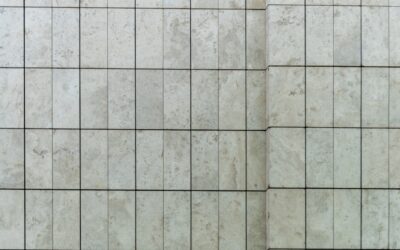
Oyster grey grout has quietly become one of the most requested neutral grout colors, and for good reason: it is light enough to keep a space feeling bright and clean, but just gray enough to hide the everyday grime that makes crisp white grout look dingy within months. This soft, warm-leaning gray sits in the sweet spot between stark white and heavy charcoal, which is why designers reach for it with everything from white subway tile to marble-look porcelain. Choosing it well comes down to understanding the undertone and how it reads against your specific tile.
What Oyster Grey Actually Looks Like
Oyster grey is a pale gray with a subtle warm undertone, closer to a soft greige than a cool steel gray. Different brands use the name for slightly different shades, so the same “oyster” from two manufacturers can lean warmer or cooler. Because grout dries lighter than it looks wet, and because lighting dramatically changes how gray reads, you should always test the actual product on a sample board before committing. What looks like the perfect soft neutral in the store can turn cold and blue under LED lighting or warm and beige under incandescent bulbs.
Best Tile Pairings
The reason oyster grey is so popular is its flexibility. It flatters a wide range of tiles:
- White subway tile: Softens the grid and hides soil far better than white grout, giving a clean but forgiving look.
- Marble and marble-look porcelain: Blends with the gray veining so the grout lines recede and the stone takes center stage.
- Gray and greige tile: A near-match that creates a seamless, monolithic surface.
- Warm white and cream tile: Adds gentle definition without the harsh contrast of dark grout.
The one place to be careful is very cool, blue-white tile, where a warm-leaning oyster grout can look slightly mismatched.
Why Grey Grout Beats White for Maintenance
Anyone who has lived with white grout on a floor knows how quickly it turns gray and blotchy in traffic lanes and around sinks. Oyster grey sidesteps that problem by starting at a soft gray, so the inevitable dirt, mildew, and scuffing blend in rather than standing out. This is a huge practical advantage on floors, in showers, and behind stoves where grout takes the most abuse. You get a light, airy look without signing up for the endless scrubbing that white grout demands to stay presentable.
Contrast: Blend or Define
Grout color is really a decision about contrast. Match the grout closely to the tile and the individual tiles disappear into a smooth expanse, which reads modern and makes a small space feel larger. Choose a grout a few shades different and each tile is outlined, highlighting the pattern and the tile shape, which suits classic subway and geometric layouts. Oyster grey can do either job depending on the tile: against white tile it gently defines, and against gray tile it blends. Decide which effect you want before you pick the exact shade.
Sealing and Long-Term Care
Most cement-based grout, including oyster grey, is porous and needs sealing after it cures to resist stains and moisture. Apply a penetrating grout sealer about 48 to 72 hours after grouting, then reapply every year or two in wet and high-traffic areas. An alternative is epoxy grout, which is naturally stain-proof and never needs sealing, though it is more expensive and trickier to install. For cleaning, skip acidic and harsh cleaners that can erode cement grout, and use a pH-neutral cleaner with a soft brush. A gray grout is forgiving, but keeping it sealed and clean preserves that soft, even look for years.
Getting a Consistent Result
Grout color consistency depends on installation as much as product choice. Mixing batches with different water ratios, wiping too soon, or letting some areas dry faster than others causes patchy, mottled color that is nearly impossible to fix later. If you are hiring a tile setter, ask them to keep the water measurement consistent across every batch and to sponge the haze uniformly. For DIY jobs, mix full bags at a time to the exact same consistency and work at a steady pace so the whole floor cures evenly.
Oyster Grey in Different Rooms
Where you use oyster grey grout changes how it behaves and how much work it saves you. On a kitchen backsplash, the soft gray keeps grease splatter and the inevitable tomato-sauce fleck from standing out the way they would against bright white, so the wall looks cleaner between scrubbings. In a bathroom shower, the real advantage shows up over months rather than days, because the areas that turn a grimy pink or gray on white grout simply blend into an already-gray line, which buys you time between deep cleans as long as you keep the grout sealed against mildew. On a floor, oyster grey earns its keep in the traffic lanes and near the entry, where white grout famously turns dingy within a season; a warm gray hides the tracked-in soil and reads as intentional rather than dirty. The one room where you want to think twice is a laundry or utility space with bleach and harsh chemicals in constant use, since repeated exposure to strong cleaners can slowly lighten or erode cement grout regardless of its color.
How Lighting Changes the Shade
It is worth spending an extra paragraph on lighting because it trips up more homeowners than any other factor. The same oyster grey grout can look like a warm greige in a room with south-facing windows and incandescent bulbs, then shift toward a cooler, almost lilac gray under bright white LED strips. This is exactly why testing a sample board in the actual room, at the times of day you use it most, is not optional advice but the step that prevents regret. Hold the cured sample next to your tile in morning daylight, in the evening under your fixtures, and in the artificial light you rely on, and only commit once you have seen it in all three. Remember, too, that grout always dries several shades lighter than it appears when wet, so the color on the tub of mixed grout is not the color you will live with. A few dollars and a day of patience on a test board saves you from grouting an entire floor in a shade that fights your lighting.
Is It the Right Choice for You
If you want a light, clean, contemporary look without the maintenance headache of white grout, oyster grey grout is one of the most reliable choices you can make. It flatters white, marble, and gray tile, hides everyday dirt, and works in nearly any room. Just confirm the exact shade on a sample under your own lighting, seal it properly, and you will have a soft neutral that keeps looking intentional and fresh long after white grout would have gone gray.
Prefer to explore on your own?
See how new flooring looks in your actual room in seconds — free, no signup.
Try the free Floor Studio →