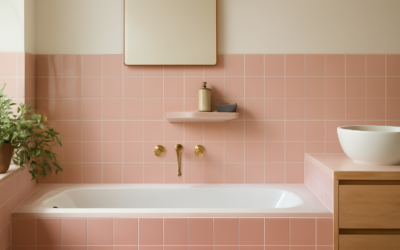
Pink square tile has swung from dated to desirable and back again more than once, and right now it is firmly in the spotlight. What used to be dismissed as a relic of 1950s bathrooms is now one of the most requested looks in retro-modern remodels and boutique cafes. The appeal is easy to understand: a warm blush square softens a room, photographs beautifully, and brings personality to a space that white tile leaves cold. Choosing the right pink square tile, though, takes more thought than grabbing the first rosy box you find, because shade and finish make the difference between charming and cloying.
Part of our Tile & Grout guide — explore the full guide →
I have helped clients pull off pink bathrooms that look like a design magazine spread and talked others out of choices that would have read as a nursery. This guide covers the shades available, the best places to use pink square tile, how to pair it, where to source it, and what it costs.
Understanding the Shades of Pink
Not all pinks behave the same way on a wall. The undertone controls the whole mood of the room, so it pays to order samples and view them in your actual lighting before committing.
- Blush and petal: the palest, barely-there pinks that read almost neutral and keep a space airy.
- Millennial pink: a muted, slightly gray-toned rose that feels contemporary and photographs well.
- Dusty rose and mauve: deeper, earthier pinks with brown undertones that feel sophisticated and grounded.
- Bubblegum and coral: saturated, playful pinks that make a bold statement but demand restraint elsewhere.
- Vintage salmon: the warm, peachy pink of mid-century bathrooms, back in demand for authentic restorations.
Warm-lit rooms push pink toward peach, while cool north-facing light can make a saturated pink feel chilly. A dusty rose is the most forgiving all-arounder and the shade I recommend when a client is nervous about commitment.
Where This Tile Works Best
The square format has a natural home in a few spots. Bathrooms lead the list, where a 4×4 pink square running full-height on the walls captures that unmistakable retro spa feel. A kitchen backsplash in a glossy 3×3 or 4×4 pink adds warmth behind open shelving without overwhelming the cabinetry. Powder rooms are the perfect low-risk place to go bold, since you are not living in the space for hours at a time.
Pink also shines as an accent rather than a full commitment. A single feature wall, a shower niche, or a band of pink squares set into a field of white can deliver the color hit without saturating the room. For floors, use a matte or textured porcelain square with adequate slip resistance; a glossy wall tile belongs on walls, not underfoot.
Sizes and Finishes
Pink squares show up most often in small formats that suit its retro roots. The classic 4×4 is the truest vintage size, followed by dainty 2×2 and 3×3 squares that work well as mosaics on mesh sheets. Larger 6×6 and 8×8 squares give a cleaner, more modern grid.
Finish sets the tone as much as color. A glossy glaze amplifies the color’s saturation and catches light, ideal for backsplashes and shower walls. A matte or satin finish mutes the pink into something more grown-up and hides water spots. Handmade and zellige-style pink squares carry irregular edges and subtle color variation that give an artisanal, textured look, though they cost more and demand a patient installer.
How to Pair Pink Without Overdoing It
The secret to a pink room that reads as elegant rather than juvenile is contrast and restraint. Pink loves a partner that grounds it.
Timeless Pairings
- Pink and black: the classic Art Deco and mid-century combo; black fixtures or a black hex floor make blush look intentional and chic.
- Pink and warm wood: oak or walnut vanities warm the palette into something cozy and Scandinavian.
- Pink and brass: unlacquered brass fixtures and pink tile is a designer favorite for a reason.
- Pink and deep green: a moody emerald or sage balances pink’s sweetness with richness.
Grout choice matters here too. A white grout keeps the look crisp and clean, while a warm gray softens the grid and hides everyday grime. Skip stark contrasting grout unless you want the retro pattern to dominate the whole room.
Where to Source Pink Square Tile
Sourcing takes a little more effort than grabbing white subway off the shelf, but options have grown. Specialty tile showrooms and online retailers now carry dedicated pink lines in ceramic and porcelain. For authentic mid-century salmon shades, architectural salvage yards and vintage tile dealers are worth the hunt if you are restoring an original bathroom and need a match.
When you order, always account for waste and future repairs. Buy 10 to 15 percent extra for cuts and breakage, and keep at least a dozen spare tiles boxed. Pink dye lots vary noticeably between production runs, and a discontinued shade can be impossible to rematch. If a line is being closed out at a discount, buy enough to cover a full future repair, because you will not find it again.
What Pink Square Tile Costs
Pricing tracks with material and craftsmanship, and the specialty nature of the color adds a modest premium over plain white.
- Standard ceramic: $2 to $5 per square foot for machine-made glossy or matte squares.
- Porcelain: $4 to $8 per square foot for denser, floor-rated options.
- Handmade and zellige: $15 to $40 per square foot for artisan squares with irregular edges.
- Vintage salvage: highly variable, often sold by the lot rather than the foot.
Add $8 to $15 per square foot for professional wall installation, a bit more for a floor. A small powder-room accent wall might cost only a few hundred dollars in tile, which makes pink an affordable way to inject serious personality into a home.
Caring for Pink Tile Over Time
Pink glaze holds up as well as any other ceramic color, but a few habits keep it looking fresh. Wipe backsplash tile after cooking to stop grease from dulling the glossy finish, and clean bathroom walls with a pH-neutral spray rather than harsh bleach, which can etch the surface over years of repeated use. Seal cement grout on install and reseal it every one to two years in wet areas, because dingy grout is what makes any colored tile look tired long before the tile itself fades.
If you inherit an original mid-century pink bathroom and the tile is sound, think twice before ripping it out. Vintage salmon tile in good condition has genuine appeal to buyers who want period character, and a fresh grout line, new fixtures, and updated lighting can transform a dated pink bath into a celebrated one for a fraction of a full gut renovation. Restoration is often the smarter money.
Making Pink Feel Timeless, Not Trendy
The worry I hear most is that pink will feel dated in five years. The trick is to treat it as an architectural neutral rather than a fad color. Choose a muted, grounded shade like dusty rose over a loud bubblegum, keep the fixtures and cabinetry in classic materials, and let the tile be the one playful move in an otherwise restrained room. Done that way, a pink square bathroom reads as confident and collected, the kind of space that looks deliberate for decades rather than something you will rush to rip out at the next remodel.
Prefer to explore on your own?
See how new flooring looks in your actual room in seconds — free, no signup.
Try the free Floor Studio →