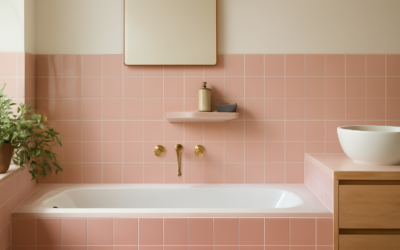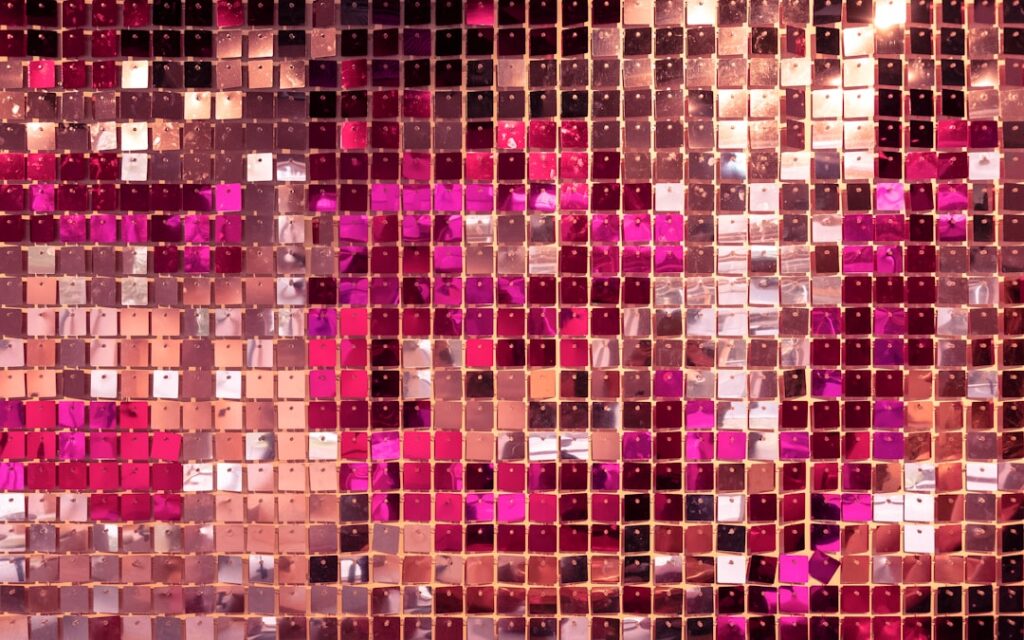
Pink is having a moment in interior design, and nowhere does it read more confidently than in small format. Pink mosaic tile turns a dated color reputation on its head, delivering warmth and personality without committing an entire wall to a single flat slab of color. Because mosaics break the surface into dozens of tiny facets, light bounces differently across each piece, so a pink mosaic feels alive in a way a large-format tile never can. Whether you want a blush shower niche, a rosy powder-room floor, or a statement kitchen backsplash, the format flatters the color.
Part of our Tile & Grout guide — explore the full guide →
This guide covers the shades available, the materials pink mosaics come in, realistic pricing, and exactly where the look works so you can commit with confidence instead of second-guessing at checkout.
The Range of Pink Shades to Consider
Pink is not one color, and picking the right undertone is the single most important decision you will make. Soft blush and rose quartz tones lean warm and neutral, pairing effortlessly with brass fixtures, terracotta, and warm woods for a look that feels timeless rather than trendy. Dusty rose and mauve carry a gray undertone that reads sophisticated and muted, which makes them easy to live with in a primary bathroom you will see every morning.
At the bolder end, coral and salmon push toward orange and bring a mid-century or retro-Miami energy, while true bubblegum and fuchsia make an unapologetic statement best used in small doses. Millennial pink, the beige-adjacent blush that swept design a few years back, remains the safest choice for resale because it functions almost as a warm neutral. If you are nervous about the color aging, choose a muted, grayed pink; the more saturated the tile, the more it commits the room to a mood.
Materials: Glass, Ceramic, Porcelain, and Stone
Pink mosaic tile shows up in every common material, and each behaves differently. Glass mosaics glow with depth and reflect light beautifully, making them a favorite for backsplashes and shower accent bands, though they are best kept off floors where they can scratch and grow slippery. Ceramic and porcelain mosaics are the practical all-rounders: porcelain in particular is dense, low-absorption, and rated for floors, so a pink porcelain penny-round can handle a bathroom floor that glass cannot.
Natural stone brings pink in the form of rose marble, pink onyx, and certain quartzites, each with organic veining that no manufactured tile can copy. Stone needs sealing and gentler cleaners, but the payoff is a mosaic with genuine depth. Zellige and handmade ceramics in pale pink deliver that irregular, glazed-clay shimmer that has become shorthand for high-end craftsmanship. Match the material to the location first, then chase the exact shade within that material.
Popular Mosaic Shapes and Patterns
Shape changes the personality of a pink mosaic as much as the color does. Classic square grids feel clean and contemporary, while penny rounds and fish-scale (fan) tiles nod to vintage bathrooms and soften the whole composition. Hexagons remain a perennial favorite for floors because the interlocking geometry reads as timeless, and elongated picket or arabesque shapes add movement to a feature wall.
Many homeowners blend pink with white or a warm neutral in the same sheet to dial the intensity down, letting the color read as an accent rather than a flood. A marble-look hex with occasional pink pieces scattered through it gives you personality that a full pink floor might not.
Where Pink Mosaic Tile Works Best
The powder room is pink’s natural home. It is a low-traffic space guests remember, and a fully tiled blush wall or a pink penny-round floor turns a utilitarian room into a talking point without the commitment of your main living areas. In the primary bath, pink works beautifully as a shower niche, a border, or a floor when kept in muted tones that read as a warm neutral.
Kitchens take pink well as a backsplash, especially a glossy blush glass or a pink zellige behind open shelving, where it warms up white cabinetry and brass hardware. Beyond the obvious rooms, a pink mosaic makes a striking laundry-room floor or a fireplace surround. The one place to be cautious is high-traffic entryways, where a bold pink can date the whole house’s first impression; save the statement for spaces people choose to linger in.
What Pink Mosaic Tile Costs
Pricing spans a wide range depending on material. Ceramic and porcelain pink mosaics typically run $8 to $20 per square foot, with the tile sold on 12-by-12-inch mesh-backed sheets that make installation manageable. Glass mosaics land around $15 to $30 per square foot, and handmade zellige or natural stone can climb to $25 to $50 or more. Because mosaics take longer to set than large tiles, installation labor often runs $12 to $25 per square foot on top of materials, since the installer is aligning many small pieces and keeping grout lines consistent.
For a typical powder-room floor of 25 to 40 square feet, budget a few hundred dollars in tile plus labor, which is one reason the format is popular for small, high-impact spaces where the total stays reasonable.
Grout and Installation Tips
Grout color transforms a pink mosaic. A white or pale gray grout keeps the look crisp and lets the pink pop, while a blush or beige grout blends the lines and softens the whole field into a wash of color. Dark grout creates a graphic, high-contrast grid that emphasizes the mosaic shapes but can feel busy over a large area. Because mosaics have so much grout line, use a stain-resistant grout or seal cement grout after it cures, especially on floors and in showers.
When installing, back-butter irregular handmade tiles, use a mosaic-appropriate thin-set, and take your time keeping the sheets aligned so the seams between sheets disappear. Done well, pink mosaic tile delivers a custom, considered look that reads as intentional design rather than a trend chased on a whim.
How to Keep Pink From Feeling Too Sweet
The fear that stops most homeowners from committing to pink is that the room will read as juvenile or overly feminine, and the fix is balance. Pairing pink with a grounding element, matte black fixtures, warm brass, natural wood, or a crisp white, immediately gives the color an anchor and a grown-up sophistication. A blush penny-round floor under a black-and-white vanity, for example, feels chic rather than cutesy, because the neutrals do the heavy lifting while the pink adds warmth.
Texture and finish help too. A honed or matte pink stone reads far more restrained than a high-gloss bubblegum glaze, and mixing pink pieces into a predominantly neutral mosaic keeps the color as an accent rather than a flood. Limiting pink to one surface, just the shower niche, just the backsplash, or just the floor, rather than wrapping an entire room in it, is the surest way to keep the effect intentional and elegant.
Caring for a Pink Mosaic Installation
Maintenance depends on the material you chose. Glazed ceramic and porcelain pink mosaics are the easiest, wiping clean with a damp cloth and mild cleaner and needing no sealing on the tile itself. Glass mosaics clean just as readily but show water spots, so a quick squeegee in a shower keeps them sparkling. Natural stone and handmade zellige require gentler, pH-neutral cleaners and periodic sealing to protect the surface from staining and etching, so factor that upkeep in if you fall for a rose marble or a pink zellige.
In every case, the many grout lines a mosaic creates are the part that needs the most attention, since grout absorbs grime and can discolor. Sealing cement grout after installation and keeping it clean preserves the crisp look that makes a pink mosaic feel fresh. Cared for properly, pink mosaic tile holds its warmth and charm for years, quietly proving that a color once dismissed as dated can be one of the most sophisticated choices in the house.
Prefer to explore on your own?
See how new flooring looks in your actual room in seconds — free, no signup.
Try the free Floor Studio →