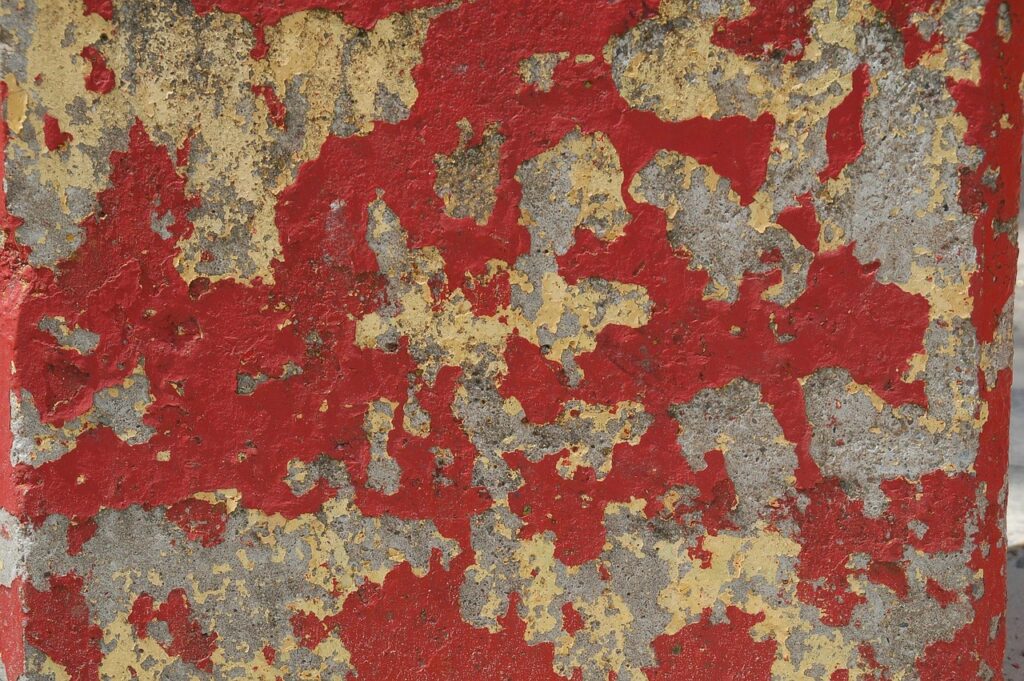
Concrete loves to hold paint. That is great news when you want a durable garage floor finish, and terrible news when you are trying to strip decades of peeling latex off a patio. The right paint remover for concrete depends on what is on the surface, how old it is, and whether you need the concrete bare for a new coating or just cosmetically cleaner. One method rarely solves the whole job. A combination of chemical strippers, mechanical cleanup, and pressure washing almost always does.
Part of our Paint & Walls guide — explore the full guide →
Identify the Paint Before You Buy a Stripper
Latex and acrylic paints release with water-based strippers and mild solvents. Oil-based alkyds need stronger chemistry, often methylene chloride alternatives or benzyl alcohol blends. Epoxy and urethane floor coatings resist almost everything short of mechanical grinding. If you do not know what is on the slab, test a 12-by-12-inch patch with a citrus-based stripper first. If the film softens in 30 minutes, you are dealing with latex. If nothing happens, escalate to a methylene chloride alternative or prepare to grind.
Scrape a small sample with a putty knife. Latex peels in flexible sheets. Oil-based cracks into brittle chips. Epoxy lifts only as thick rubbery patches that pull fiber from the concrete surface.
Chemical Strippers That Actually Work
Citristrip Stripping Gel is the go-to for latex, acrylic, and most oil-based paints on outdoor concrete. At $22 per quart, it covers roughly 25 square feet and stays active for 24 hours without evaporating. Apply a quarter-inch thick layer with a brush, cover with plastic sheeting, and scrape with a stiff putty knife the next day.
Rust-Oleum Aircraft Remover is harsher and faster. It cuts through epoxy garage floor coatings in 15 to 30 minutes and runs about $18 per quart. Wear nitrile gloves rated for methylene chloride alternatives and work outside or with serious cross-ventilation. The fumes are no joke.
For eco-conscious projects, Dumond Smart Strip Pro is a soy-based paste that handles up to 15 layers of paint with one application. It runs $55 per gallon but covers 50 to 75 square feet and needs no respirator.
Step-by-Step: Stripping a Concrete Patio or Garage Floor
- Sweep the slab clean and vacuum cracks with a shop vac
- Tape plastic sheeting to any adjacent walls, siding, or landscaping
- Apply stripper in 25-square-foot sections using a 4-inch chip brush
- Cover with plastic sheeting for 4 to 24 hours depending on product
- Scrape softened paint into a metal pan using a 5-inch putty knife
- Pressure wash the residue with a 3,000 PSI machine and a 25-degree tip
- Neutralize with TSP solution if the stripper requires it, rinse again
- Let the concrete dry 48 to 72 hours before recoating
Scraping is half the battle. A rigid metal scraper on a 4-foot handle saves your back and removes paint faster than handheld tools. Bahco and Warner both make models for $45 to $70 at paint stores.
When to Skip Chemicals and Start Grinding
Thick epoxy, polyurethane, or paint applied over a previous epoxy system often will not budge with any paint remover for concrete. Grinding is faster and cheaper on these jobs. Rent a walk-behind concrete grinder with diamond cup wheels for $90 to $140 per day at Home Depot or Sunbelt. A single-disc grinder handles about 300 square feet per hour.
For edges, corners, and small patios, a 4-1/2-inch angle grinder with a PCD (polycrystalline diamond) cup wheel costs $55 and attaches to any standard grinder. Connect the grinder to a HEPA-filtered dust extractor. Silica dust from concrete is a serious respiratory hazard, and EPA rules require dust control on any job over 4 square feet.
Pressure Washing: Helper, Not Hero
A 3,000 PSI gas pressure washer with a turbo nozzle strips loose, peeling paint but will not touch well-bonded coatings. Use it after chemical stripping to blast softened residue from pores in the concrete. Hold the tip 4 to 6 inches from the surface and move in steady overlapping passes. Closer than that and you start etching the aggregate.
Rent a washer for $75 to $120 per day. Add a surface cleaner attachment, a round spinning bar housed in a plastic shroud, for $80. It cuts cleaning time by 70 percent and leaves no tiger striping on driveways or patios.
Sealing and Recoating After Removal
Bare concrete needs to dry to less than 4 percent moisture before you apply any new coating. Tape a 2-by-2-foot square of plastic to the slab overnight. If moisture beads under the plastic the next morning, wait longer. In humid climates, allow a full week.
Etch the surface with muriatic acid diluted 1:10, or use a mechanical profile from the grinder. The concrete should feel like 80-grit sandpaper when you drag a fingernail across it. Follow with your chosen coating, acrylic sealer, two-part epoxy, or solid-color stain, according to manufacturer instructions.
Safety and Disposal
Wear chemical-rated nitrile gloves, safety goggles, long sleeves, and a respirator with organic vapor cartridges when using solvent-based strippers. Never use ammonia-based cleaners alongside methylene chloride strippers. The combination releases toxic chloramine gas.
Collect scraped paint waste in metal containers with tight lids. Most U.S. counties classify paint stripper residue as hazardous waste. Drop it at your local household hazardous waste facility, do not pour it down a storm drain or into the trash. A gallon of sludge costs nothing to dispose of legally but thousands in fines if it shows up in a stormwater inspection.