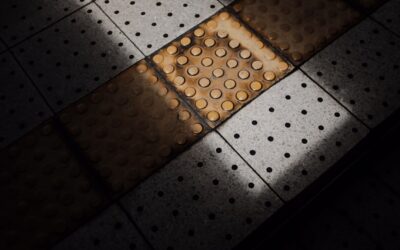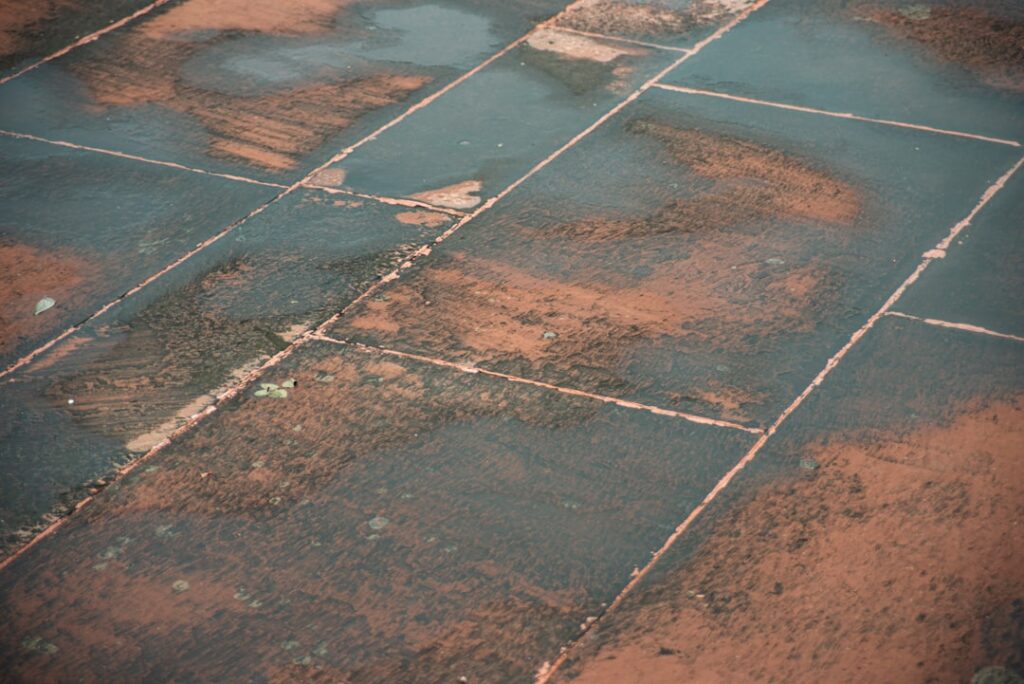
Your patio is an extension of your living space, and the right flooring sets the tone for everything from weekend barbecues to quiet morning coffee. The best patio flooring ideas for 2026 balance durability, aesthetics, and budget while standing up to rain, sun, freeze-thaw cycles, and heavy foot traffic. This guide covers the top outdoor flooring options with design ideas, pricing, and practical advice to help you choose the perfect surface for your patio.
1. Concrete Pavers
Concrete pavers are the most popular patio flooring option in America, and for good reason. They combine affordability, design versatility, and impressive durability in a product that almost any homeowner or contractor can install.
Design Options
Modern concrete pavers are available in an enormous range of shapes, colors, and textures. Popular styles include tumbled pavers that mimic aged cobblestone, smooth contemporary slabs in large formats, and interlocking patterns that create geometric designs. Popular patterns include herringbone, basketweave, running bond, and circular fan designs.
Pros and Cons
- Pros: Affordable ($3 to $10 per square foot), durable, low maintenance, easy individual paver replacement, wide design variety, excellent drainage when installed with sand joints
- Cons: Can shift over time without proper base preparation, weeds can grow between joints, color may fade with extended UV exposure, can become slippery when wet (choose textured surfaces)
Best For
Budget-conscious homeowners who want design flexibility. Concrete pavers work for patios of any size, from small balcony-adjacent areas to large entertainment spaces.
Once your patio flooring is in place, think about how you’ll use the space. A gazebo adds shade and structure, while a good outdoor furniture set turns it into a spot you’ll actually want to hang out in. A deck box is also worth considering if you need somewhere to stash cushions and outdoor gear.
We may earn a commission when you purchase through our links.
2. Natural Stone
Natural stone flooring brings unmatched beauty and permanence to outdoor spaces. Each stone slab is unique, creating a one-of-a-kind patio surface that improves with age.
Popular Stone Types
- Bluestone: Dense, flat, with subtle blue-gray tones. Excellent for formal and contemporary patios.
- Flagstone: Irregular shapes in warm earth tones. Perfect for rustic, natural garden patios.
- Travertine: Creamy, warm limestone with a Mediterranean aesthetic. Stays cool underfoot in hot climates.
- Slate: Rich colors from charcoal to rust and green. Naturally textured and slip-resistant.
- Granite: Extremely hard and durable. Available in polished or flamed finishes.
- Limestone: Soft, elegant appearance. Best for covered or low-traffic patios due to its relative softness.
Pricing
Natural stone patio flooring typically costs $10 to $30 per square foot for materials, plus $10 to $20 per square foot for professional installation. A 200-square-foot stone patio can run $4,000 to $10,000 installed.
Best For
Homeowners who want a premium, timeless look and are willing to invest in a surface that will last decades with minimal maintenance.
3. Porcelain Tile
Outdoor-rated porcelain tile has become one of the fastest-growing patio flooring choices in recent years. Porcelain’s near-zero water absorption rate (under 0.5%) makes it virtually impervious to moisture, freeze-thaw damage, and staining.
Design Options
Porcelain tile flooring for patios comes in large-format slabs (24×24 inches and larger) that create a sleek, modern look. Popular styles mimic natural stone, wood planks, and concrete with remarkable realism. Choose textured or matte finishes for slip resistance outdoors.
Pros and Cons
- Pros: Extremely durable, stain-resistant, frost-proof, fade-resistant, low maintenance, consistent appearance, lightweight compared to natural stone
- Cons: Professional installation recommended ($8 to $15 per square foot installed), can crack under heavy point loads, requires a stable, well-prepared base, grout lines need periodic sealing
Best For
Modern patios where a clean, consistent look is desired. Especially popular for covered patios, outdoor kitchens, and spaces that flow directly from indoor porcelain floors.
4. Stamped Concrete
Stamped concrete flooring offers the look of natural stone, brick, or tile at a fraction of the cost. A freshly poured concrete slab is stamped with textured mats while still wet, then colored with integral pigments, stains, or surface-applied color hardeners.
Design Options
Popular stamp patterns include ashlar slate, cobblestone, brick, wood plank, and flagstone. Color options are virtually unlimited, with most contractors offering base colors plus accent release colors for added depth and realism.
Pricing
Stamped concrete typically costs $8 to $18 per square foot installed, depending on pattern complexity and color choices. This is significantly less than natural stone while achieving a similar visual effect.
Pros and Cons
- Pros: Attractive look at moderate cost, seamless surface (no weeds), many pattern and color options, durable when properly sealed
- Cons: Can crack (especially in freeze-thaw climates), requires resealing every 2 to 3 years, can be slippery when wet and sealed, difficult to repair if damaged, requires professional installation
5. Composite Deck Tiles
Composite deck tiles offer a quick, easy patio makeover without permanent construction. These interlocking tiles snap together over any flat, hard surface, including existing concrete patios, and can be removed and reinstalled as needed.
How They Work
Each tile features a composite or wood-plastic top surface mounted on a plastic grid base. The base tiles interlock with clips or snap-fit connectors. Most tiles are 12×12 inches or 12×24 inches and can be cut with a circular saw to fit edges and corners.
Pricing
Composite deck tiles cost $4 to $10 per square foot. Installation is DIY-friendly and requires no tools beyond a saw for edge cuts.
Best For
Renters, condo owners, and homeowners who want a fast patio update without major construction. Also excellent for covering ugly but structurally sound concrete patios.
6. Brick Pavers
Brick pavers deliver classic, timeless charm to patios. Made from fired clay, they hold their color permanently and develop a beautiful aged patina over time. Brick works beautifully in traditional, colonial, farmhouse, and cottage-style homes.
Pros and Cons
- Pros: Timeless aesthetic, permanent color (will not fade), extremely durable, slip-resistant texture, easy individual brick replacement, eco-friendly (natural clay)
- Cons: Limited color range (reds, browns, tans, charcoals), can be uneven underfoot, moss and algae growth in shaded areas, cost of $5 to $15 per square foot installed
Design Ideas
Herringbone brick is the classic pattern and provides excellent interlock against shifting. Running bond creates a clean, linear look. Circular patterns work beautifully around fire pits and focal points. Mix brick colors for a variegated, antique appearance.
7. Rubber Patio Tiles
Rubber flooring tiles are an increasingly popular patio option, especially for families with children and areas around pools and hot tubs. Made from recycled rubber (often from tires), these tiles provide a soft, slip-resistant, shock-absorbing surface.
Pros and Cons
- Pros: Slip-resistant even when wet, cushioned for comfort and safety, excellent for play areas, easy interlocking DIY installation, low cost ($2 to $6 per square foot), eco-friendly recycled material
- Cons: Limited aesthetic appeal, can get hot in direct sun (choose lighter colors), may retain rubber odor initially, not as permanent as stone or concrete
Best For
Pool surrounds, children’s play areas, outdoor gym spaces, and utilitarian patio areas where safety and comfort are priorities.
8. Gravel and Decomposed Granite
Gravel and decomposed granite (DG) provide the most affordable patio flooring option, creating a natural, relaxed outdoor surface. DG compacts into a firm, walkable surface, while decorative gravel offers a looser, more casual texture.
Pricing
Materials cost just $1 to $4 per square foot, making gravel patios achievable on the tightest budgets. Professional installation adds $2 to $5 per square foot, though many homeowners handle it themselves.
Pros and Cons
- Pros: Extremely affordable, excellent drainage, natural aesthetic, easy to install, permeable surface reduces runoff
- Cons: Loose gravel migrates and requires edging, not level enough for furniture, can be uncomfortable underfoot, requires periodic replenishment, difficult to shovel snow from
Design Tips
Define gravel patios with steel or stone edging to prevent migration. Use landscape fabric underneath to suppress weeds. Combine gravel with stepping stones or pavers for defined pathways through the space. Choose pea gravel (smooth, rounded) for barefoot comfort or crushed stone (angular) for better compaction and stability.
9. Wood Decking
While technically a deck rather than a patio, wood decking surfaces remain one of the most popular outdoor flooring choices. Pressure-treated pine, cedar, redwood, ipe, and composite decking each offer different aesthetics, maintenance levels, and price points.
Material Options
- Pressure-treated pine: $2 to $5 per square foot. Affordable but requires regular staining and sealing.
- Cedar: $4 to $8 per square foot. Naturally rot-resistant with a warm, aromatic appearance.
- Ipe (Brazilian hardwood): $8 to $15 per square foot. Extremely durable and dense, lasts 40+ years.
- Composite decking: $5 to $12 per square foot. Low maintenance, fade-resistant, no staining required.
Best For
Elevated patios, sloped yards, and homeowners who love the warm, natural feel of wood underfoot.
10. Outdoor Carpet and Turf Tiles
Outdoor carpet and artificial turf tiles offer a soft, green alternative for patios. Marine-grade outdoor carpet resists mold, UV fading, and moisture, while artificial turf tiles bring a lawn-like surface to hard spaces.
Pros and Cons
- Pros: Soft and comfortable, easy to install over concrete, affordable ($2 to $6 per square foot), warm underfoot compared to hard surfaces
- Cons: Shorter lifespan (5 to 10 years), can harbor mold in shaded/wet areas, requires cleaning, less durable than hard surfaces
Best For
Covered patios, screened porches, and temporary or seasonal patio surfaces where comfort is the top priority.
How to Choose the Best Patio Flooring
With so many options, narrowing down your choice comes down to a few key factors.
Consider Your Climate
Freeze-thaw climates require frost-proof materials like concrete pavers, porcelain tile (rated for outdoor use), or natural stone with low water absorption. Hot climates favor lighter colors and materials that stay cool underfoot, like travertine or composite tiles with cool-touch technology.
Set Your Budget
Patio flooring ranges from under $2 per square foot (gravel) to $30+ per square foot (premium natural stone). For a 200-square-foot patio, your total budget could range from $400 to $10,000 depending on the material and installation method.
Think About Maintenance
Low-maintenance options include porcelain tile, concrete pavers, and composite tiles. Higher-maintenance choices include wood decking (annual sealing), stamped concrete (biennial resealing), and gravel (periodic replenishment). Be honest about how much ongoing work you are willing to do.
Match Your Home Style
The patio flooring should complement your home’s architecture. Traditional homes pair well with brick and flagstone. Modern homes shine with large-format porcelain and smooth concrete pavers. Rustic properties look natural with gravel, irregular stone, and wood.
Evaluate Drainage
Consider how water moves across and off your patio. Permeable options like pavers with sand joints, gravel, and spaced deck boards allow water to drain through. Solid surfaces like stamped concrete and mortared tile need proper slope (1/4 inch per foot minimum) to direct water away from your home’s foundation.
Final Thoughts on Patio Flooring
The best patio flooring idea for your home depends on your budget, style preferences, climate, and willingness to maintain the surface over time. For most homeowners in 2026, concrete pavers offer the best overall value, natural stone delivers the most stunning results, and porcelain tile provides the lowest maintenance. Whatever you choose, investing in proper base preparation and drainage ensures your patio flooring will look great and perform well for many years to come.
Prefer to explore on your own?
See how new flooring looks in your actual room in seconds — free, no signup.
Try the free Floor Studio →