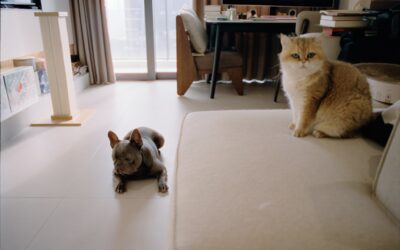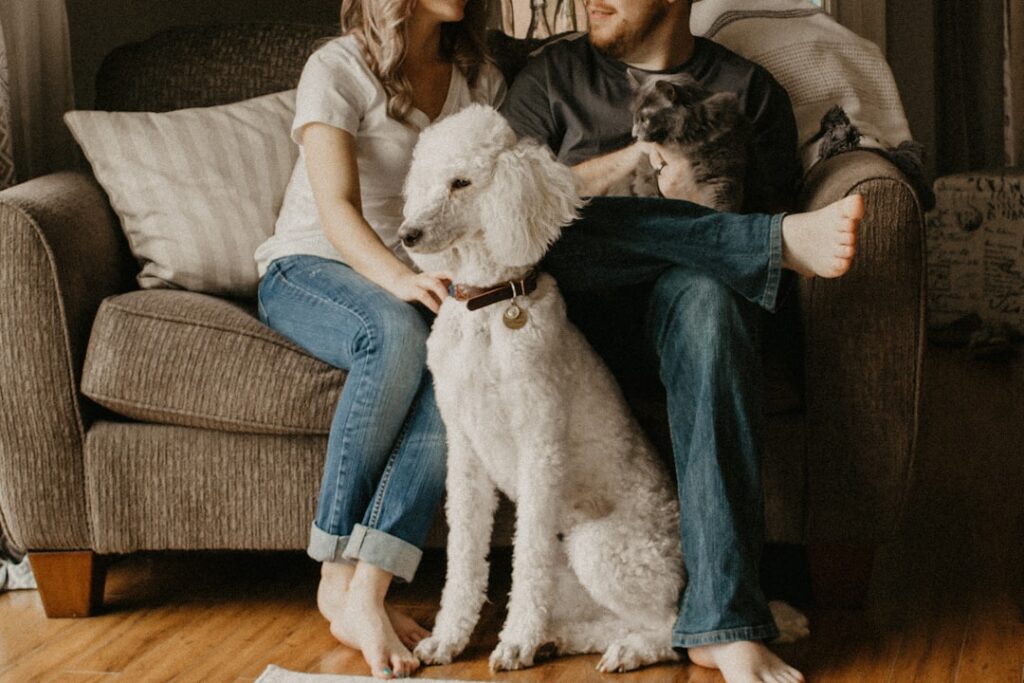
Dogs sprint, cats bolt, and both leave marks on whatever they land on. Pet friendly laminate flooring earns its name by resisting claw scratches, shrugging off the occasional accident, and cleaning up in seconds, all at a price well below hardwood or tile. It is not magic, though. Knowing which specs matter, and where laminate quietly fails, is the difference between a floor that lasts a decade and one that swells at the first missed potty break.
Why Laminate Works for Pet Owners
Laminate is built in layers, and the one that matters most for animals is the transparent wear layer melamine coating on top. That skin is genuinely tough, far harder than the finish on solid wood, so nails that would carve visible lines in oak often glide right over laminate. The photographic design layer beneath fakes wood, stone, or tile convincingly, giving you high-end looks without high-end fragility.
Cost seals the deal for many owners. Quality pet-ready planks run roughly $2 to $5 per square foot before installation, a fraction of what you would spend chasing the same scratch resistance in hardwood. For a household with two large dogs, that value is hard to argue with.
Installation adds to the appeal. Most pet-friendly laminate uses a click-lock floating system that snaps together over a foam underlayment, so a handy owner can lay a room in a weekend without glue or nails. If one plank ever suffers real damage, you can pop up the row and swap a single board instead of refinishing the whole floor. That repairability matters in a house where accidents are a question of when, not if.
Scratch-resistant flooring is half the battle — giving your pet their own space helps too. A sturdy dog crate keeps muddy paws contained, and a cat tree gives your cat somewhere to scratch that isn’t the new floor.
We may earn a commission when you purchase through our links.
Understand the AC Rating
The single most useful number on the box is the AC rating, an abrasion-and-impact scale from AC1 to AC5. It tells you how much punishment the surface tolerates before it dulls or scratches. Skip anything low; claws demand a higher grade.
- AC1 to AC2: light residential, wrong choice for pets.
- AC3: acceptable for a single small, calm pet.
- AC4: the sweet spot for most dog and cat homes.
- AC5: commercial-grade, ideal for big dogs or a full pack.
Aim for AC4 or AC5 if your animals have real claws and real energy. The upcharge over AC3 is small and buys years of scratch resistance you will notice.
Water Resistance and Accidents
Accidents happen, so the core matters as much as the surface. Standard laminate rides on a fiberboard core that swells like a sponge when water reaches it. Newer water-resistant and waterproof lines use treated or plastic-blended cores plus sealed, tight-locking seams that hold liquid out for hours, long enough to wipe up a spill or a puddle before damage sets in.
Look for a stated waterproof rating and joints described as pre-sealed or wax-coated. That said, be honest about the limits below. Water resistance buys you response time; it is not an invitation to ignore messes.
Manufacturers back the better products with warranties that spell out exactly what water coverage you get, sometimes 24 or 72 hours of surface exposure. Read that fine print, because a warranty voided by pet urine is common and worth knowing before you buy. Pairing a water-resistant plank with a moisture-barrier underlayment adds a second line of defense on slab or basement installs where dampness can rise from below.
Traction and Paw Comfort
Very glossy laminate looks sharp and skates dogs across the room like a cartoon. Slipping is not just comic; it strains joints and unsettles older or arthritic pets who lose confidence walking. Surface texture is the fix.
Choose planks with an embossed or textured finish and a matte to low-gloss sheen. The micro-grip gives paws something to push against on quick turns and stops. Registered-emboss surfaces, where the texture lines up with the printed grain, feel the most natural underfoot and hide minor scuffs at the same time.
Texture pays off during cleanup too, since a slight grain catches loose fur and holds it until the mop passes rather than letting it drift into the air. If you have a senior dog, consider adding a few low-pile runner rugs on the routes it travels most, giving joints a confident surface without carpeting the whole house. Small choices like these turn a good plank into a floor your animals actually enjoy walking on.
Easy Cleanup Is a Real Advantage
Shedding season turns some floors into fur magnets, but laminate stays easy. Its flat, non-porous surface releases hair, dust, and dander with a dry microfiber mop or a quick vacuum pass on a hard-floor setting. Muddy paw prints wipe away with a barely damp cloth and no soaking.
Avoid steam mops and sopping-wet buckets, which drive moisture into seams. A well-wrung damp mop and a pet-safe pH-neutral cleaner keep planks looking new without threatening the core underneath.
Odor control is a quiet bonus. Because the surface is sealed and non-absorbent, urine and wet-dog smell do not soak in the way they do with carpet or unfinished wood, so a quick wipe usually erases both the mess and the stink. Keep nails trimmed and place a washable mat by the door, and you cut down the two things that age any pet floor fastest: scratches and tracked-in grit.
Honest Limits You Should Know
Marketing loves the word waterproof, but reality is narrower. Unless a plank is specifically seam-rated, water can still creep into the locking joints and swell the core over time. Standing urine is the worst offender: left overnight, it seeps into seams and can permanently stain or lift a board even on premium products.
Traction has limits too. On the smoothest finishes, a dog charging around a corner may still slide, so texture reduces slipping rather than eliminating it. Treat these facts as guardrails, not deal-breakers, and match the product to how your household actually lives.
Quick Buying Checklist
| Feature | Target for Pets |
|---|---|
| AC rating | AC4 or AC5 |
| Core | Water-resistant or waterproof |
| Seams | Pre-sealed or wax-coated locking joints |
| Sheen | Matte to low-gloss |
| Texture | Embossed or registered emboss |
| Plank thickness | 8mm or greater for sound and feel |
Making the Final Call
Weigh the trade-offs against your specific animals. A single indoor cat gets by with modest specs, while three retrievers and a doggie door justify the top of every category. Order a sample, drag your own house key across it, and drip water on a corner to see how the surface and seams behave before you buy a whole room.
Think about the whole room, not just the plank. A rug runner down a high-traffic hallway spares the busiest boards, and felt pads under furniture stop the slow abrasion that even AC5 surfaces feel over years. Keep a microfiber mop by the door and a bottle of pH-neutral cleaner under the sink so cleanup is a reflex, not a chore.
Chosen well, pet friendly laminate flooring gives you a durable, good-looking floor that survives claws, spills, and daily chaos for years. Respect its weak spots, wipe accidents fast, and it will outlast the toys, the chew ropes, and probably a couch or two along the way.
Prefer to explore on your own?
See how new flooring looks in your actual room in seconds — free, no signup.
Try the free Floor Studio →