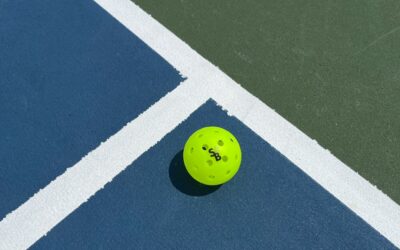
Most people pricing a backyard court focus on the colorful playing surface, then discover it is one of the smaller line items. The bulk of pickleball court installation cost goes into what you never see: grading, a stable base and a properly sloped slab. As a broad range, a basic backyard court often runs from roughly $15,000 to $40,000, while a fully fenced and lighted court with a premium cushioned surface can climb to $50,000 or more. Where your project lands depends on site conditions, slab material and how many extras you add.
A useful starting point is size. A regulation pickleball court is 20 by 44 feet, but the recommended total playing area with run-off room is about 30 by 60 feet, or 1,800 square feet. That larger footprint drives the cost of the slab, the surface and the fencing.
- What Drives Pickleball Court Installation Cost
- Site Prep and Drainage Costs
- Slab Options: Concrete vs Asphalt
- Surface Choices and What They Cost
- Fencing, Nets and Lighting
- Permits, HOA Rules and Neighbors
- Ways to Save Without Cutting Corners
- Ongoing Maintenance Costs
- When to Call a Licensed Professional
- Frequently Asked Questions
What Drives Pickleball Court Installation Cost
Every court is built from the same basic layers, and each one adds to the total.
- Site preparation. Clearing, excavation, grading and drainage. A flat, open yard costs far less than a sloped or wooded lot.
- Base and slab. Compacted aggregate topped with post-tensioned or reinforced concrete, or asphalt.
- Playing surface. Acrylic coating systems, cushioned acrylic layers or interlocking court tiles.
- Equipment. Net posts and net, often with sleeves set into the slab.
- Fencing and windscreens. Usually chain link around the perimeter.
- Lighting. Poles, fixtures and wiring if you want evening play.
- Permits and access. Fees, inspections and the difficulty of getting equipment into your yard.
Site Prep and Drainage Costs
Site work is the biggest wildcard. On a level lot, prep might be a modest share of the budget. On a sloped yard, you may need cut and fill grading or even a retaining wall, which can add thousands of dollars or much more. Clearing trees and hauling away soil also adds up.
Drainage deserves careful attention. A court should slope slightly in one direction so water sheets off rather than pooling, and the surrounding ground needs a way to carry that water away. Poor drainage leads to puddles, cracks and surface failure. Contractors may add perimeter drains, swales or gravel trenches depending on your soil and rainfall.
Before excavation, call 811 to have underground utilities marked. Gas lines, buried electric and irrigation pipes are often closer to the surface than homeowners expect, and hitting one is dangerous and costly.
Slab Options: Concrete vs Asphalt
| Slab Type | General Cost Picture | Trade-Offs |
|---|---|---|
| Post-tensioned concrete | Highest upfront cost | Resists cracking well, long service life |
| Reinforced concrete | Moderate to high | Durable, may develop control-joint cracks |
| Asphalt | Lower upfront cost | Softer, more prone to cracking, needs periodic resurfacing |
For a full 1,800 square foot area, the slab alone often runs from several thousand dollars for asphalt to well over ten thousand for a post-tensioned concrete slab, varying by region and local material prices. Concrete generally costs more on day one but holds up longer with less maintenance. Asphalt can be a good fit for budget builds, especially in regions where paving contractors are plentiful, but plan for crack repair and resurfacing every several years.
Whatever material you choose, the base underneath matters. A properly compacted aggregate base, sized for your soil, prevents settling that shows up as birdbaths and cracks.
Surface Choices and What They Cost
Acrylic Coating Systems
The most common surface is a multi-coat acrylic system applied over a cured slab: resurfacer coats to fill texture, then colored layers with sand for traction, then painted lines. Pricing usually covers the full court area and runs a few thousand dollars and up. New concrete typically needs to cure for about 28 days before coating, so build that delay into your schedule.
Cushioned Acrylic
Adding rubberized cushion layers beneath the color coats softens the surface and is easier on knees and joints. Expect it to cost noticeably more than a standard acrylic system.
Interlocking Court Tiles
Modular polypropylene tiles snap together over a slab. They drain quickly, install fast and can cover a cracked slab in some cases. Tiles cost more per square foot than basic acrylic but can save money where the existing slab is serviceable but rough.
Line painting, if not included, is a smaller add-on. Some owners also add tennis or basketball lines for multi-sport use.
Fencing, Nets and Lighting
Net systems range from portable nets, which cost little, to permanent posts set in sleeves cast into the slab, which cost more but feel solid and stay in place.
Fencing keeps balls in play and out of the neighbor’s yard. A full perimeter around a 30 by 60 foot area is about 180 linear feet. Chain link around 10 feet tall is common on the ends, sometimes stepping down to lower fence along the sides. Fencing often adds several thousand to over ten thousand dollars depending on height, material and coating. Windscreens add privacy and cut glare for a modest extra cost.
Lighting can add several thousand dollars or more. LED fixtures on poles provide even light with lower operating costs. Outdoor lighting requires a licensed electrician, a dedicated circuit, outdoor-rated equipment and usually a permit. Poles also need engineered footings sized for wind loads.
Permits, HOA Rules and Neighbors
Many jurisdictions require a permit for a new court, particularly for grading, retaining walls, fencing over a certain height and electrical work. Some areas limit impervious surface coverage on residential lots, which can affect whether a large slab is allowed. Setbacks from property lines may apply as well.
If you live in a homeowners association, get written approval before signing a contract. HOAs often regulate fence height, lighting and even surface colors. Noise is another consideration, since the sound of paddles carries. Talking with neighbors early, choosing a location away from bedroom windows and adding windscreens can head off complaints.
Ways to Save Without Cutting Corners
- Use an existing slab. A sound driveway or old sport court can often be resurfaced and lined, saving most of the slab cost. A contractor should inspect it for cracks and drainage first.
- Build a smaller footprint. Reducing run-off room lowers slab, surface and fencing costs, though play will feel tighter.
- Phase the extras. Pour the slab and coat it now, then add fencing and lighting later. Install conduit and footings for lights during construction so you do not have to cut the slab afterward.
- Choose standard colors and lines. Custom designs and logos add cost.
- Get multiple bids. Ask each contractor to price the same scope, including base depth, slab thickness and drainage.
Avoid saving money on the base and drainage. Those are the layers that determine whether the court lasts decades or starts cracking in a few years.
Ongoing Maintenance Costs
Budget for upkeep as part of the total cost of ownership. Acrylic surfaces typically need recoating every several years, depending on climate, sun exposure and how often the court is played. Asphalt courts usually need crack filling along the way and full resurfacing more often than concrete. Routine care is simple: blow or sweep off leaves and debris, rinse away dirt, and keep tree sap and standing water off the surface.
Nets and windscreens wear out from sun and wind and are replaced every few seasons. Fencing may need occasional tensioning or repairs after storms. Setting aside a small annual amount for these items keeps the court playable and protects the much larger investment in the slab.
When to Call a Licensed Professional
Court construction is usually a job for a sport court contractor or a concrete or paving contractor with court experience. They know how to set the correct slope, compact the base and time the surface coating around cure periods. Grading on steep sites or any retaining wall over a modest height may need engineering. Lighting and any new outdoor circuits must be installed by a licensed electrician with outdoor GFCI protection where required. Confirm that your contractor carries insurance, pulls the necessary permits and gives you a written scope covering every layer.
Frequently Asked Questions
How much does it cost to build a pickleball court in a backyard?
A basic backyard court often falls between roughly $15,000 and $40,000, and courts with fencing, lights and cushioned surfaces can reach $50,000 or more. Site prep and slab material drive most of the difference.
What size area do I need for a pickleball court?
The court itself is 20 by 44 feet, but a total area of about 30 by 60 feet is recommended to allow safe run-off room around the lines.
Is concrete or asphalt better for a pickleball court?
Concrete, especially post-tensioned concrete, costs more upfront but resists cracking and lasts longer. Asphalt is cheaper initially but usually needs crack repair and resurfacing more often.
Can I turn my driveway into a pickleball court?
Often, yes, if the driveway is large enough, in good shape and drains well. You can paint lines or use a coating designed for courts and set up a portable net.
Do I need a permit for a backyard pickleball court?
Many areas require permits for grading, large slabs, tall fencing and lighting. Check with your local building department and your HOA before construction, and call 811 before any digging.