If you searched for pisos LVP, you are looking into luxury vinyl plank flooring, the Spanish term simply meaning LVP floors. It has become one of the most popular floors in American homes for good reason: it is waterproof, durable, looks convincingly like wood, and costs far less than hardwood. But not all luxury vinyl plank is the same, and choosing the wrong type for your room can leave you with a floor that dents, telegraphs subfloor bumps, or feels cold underfoot. This guide explains what LVP is, its pros and cons, the SPC versus WPC question, and how to buy smart.
What Luxury Vinyl Plank Is
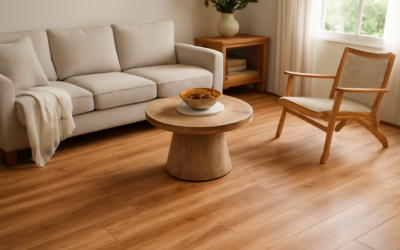
Luxury vinyl plank is a multi-layer synthetic flooring made to mimic real wood. A typical plank has a rigid core, a printed design layer that carries the wood image, and a clear wear layer on top that resists scratches and stains. Most LVP clicks together in a floating installation, meaning it locks plank to plank without glue or nails over the subfloor.
The wear layer is the spec that matters most for durability. It is measured in mils, and a thicker wear layer of 20 mils or more holds up far better in busy homes and pet households than a thin 6 to 12 mil residential layer.
The Main Advantages
LVP earned its popularity by solving several problems at once.
- Waterproof: Quality rigid-core LVP can handle bathrooms, kitchens, and basements
- Durable: Resists scratches, dents, and stains better than laminate or wood
- Comfortable and quiet: Warmer and softer underfoot than tile, especially with an attached pad
- Easy to install: Click-together planks are DIY-friendly over most subfloors
- Affordable: Costs a fraction of hardwood while delivering the wood look
For families, renters with permission, and anyone who wants a wood look in a wet room, LVP is hard to beat on value.
The Drawbacks to Know
No floor is perfect, and being honest about the limits helps you choose well. LVP is a synthetic product, so it does not add the resale appeal of real hardwood, and it cannot be sanded and refinished; once the wear layer is gone, the plank is replaced. Cheaper, thin LVP can dent under heavy furniture and may show every imperfection in the subfloor below.
Direct, prolonged sunlight can fade some products, and very thin planks can feel hollow or flex over an uneven floor. Most of these problems trace back to buying the cheapest option, so spend on the wear layer and core rather than chasing the lowest price.
SPC Versus WPC Cores
Rigid-core LVP comes in two main types, and the right one depends on your priorities.
- SPC (stone plastic composite): A denser, harder core that resists dents and handles heavy traffic. It is thinner, more dimensionally stable, and great over imperfect subfloors, but firmer underfoot.
- WPC (wood plastic composite): A softer, thicker core with more cushion and warmth. It feels more comfortable to stand on but dents more easily than SPC.
For high-traffic rooms, kitchens, and homes with pets, SPC is usually the better call. For comfort-focused spaces like bedrooms, WPC’s softer feel can win out.
Cost and Value
Luxury vinyl plank is priced per square foot, with budget products at the low end, mid-grade rigid-core LVP in the middle, and premium thick-wear-layer planks at the top. Installation adds to the total if you hire out, though the click-together format makes DIY realistic for confident homeowners. Factor in transition strips, underlayment if not pre-attached, and a waste allowance of about 10 percent.
Compared with hardwood, even premium LVP usually costs less installed, which is a big part of its appeal for whole-home projects.
Installation and Care Tips
A floating LVP floor is forgiving but rewards good prep. The subfloor must be clean, dry, and flat, because a high spot or dip will telegraph through the planks and can cause flex at the seams. Let the planks acclimate in the room for the manufacturer’s recommended time so they adjust to temperature and humidity before locking together.
Maintenance is simple: sweep or vacuum regularly, damp mop with a pH-neutral cleaner, and use felt pads under furniture legs. Avoid steam mops and abrasive cleaners, which can damage the wear layer over time. Add entry mats to trap grit, the main cause of micro-scratching.
LVP Versus Other Floors
It helps to see where LVP stands against its main rivals. Compared with laminate, LVP is waterproof while most laminate is only water resistant, making LVP the safer choice for kitchens, baths, and basements; laminate, however, can feel more rigid and sometimes more wood-like underfoot. Against tile, LVP is warmer, quieter, softer, and easier to install, though tile is harder and even more water-impervious for showers and heavy wet zones.
Against real hardwood, LVP wins on cost, water resistance, and low maintenance, but it cannot match hardwood’s authentic feel, refinishability, or resale appeal. The honest summary: LVP is the best value all-rounder for most rooms, while each rival still has a niche where it leads. Choose based on the specific room and your priorities rather than assuming one floor wins everywhere.
Common Mistakes to Avoid
Most LVP disappointments trace back to a handful of avoidable errors. Knowing them up front saves money and frustration.
- Buying on price alone: A thin wear layer dents and scratches quickly in real use
- Skipping subfloor prep: Bumps and dips telegraph through and cause seam flex
- Ignoring acclimation: Planks installed too cold or too warm can gap or buckle later
- Using a steam mop: Heat and moisture forced into the seams can damage the floor
- Forgetting expansion gaps: Floating floors need room to move at the walls
Get the prep, product grade, and installation basics right, and LVP is one of the most trouble-free floors you can own. Cut corners on any of them, and a good product can still underperform.
The Bottom Line
Pisos LVP, or luxury vinyl plank, delivers a waterproof, durable, wood-look floor at a fraction of hardwood’s cost. Focus on a thick wear layer, choose SPC for durability or WPC for comfort, prep your subfloor properly, and budget for the full job including waste. Get those basics right and luxury vinyl plank will serve a busy household reliably for many years.
Prefer to explore on your own?
See how new flooring looks in your actual room in seconds — free, no signup.
Try the free Floor Studio →