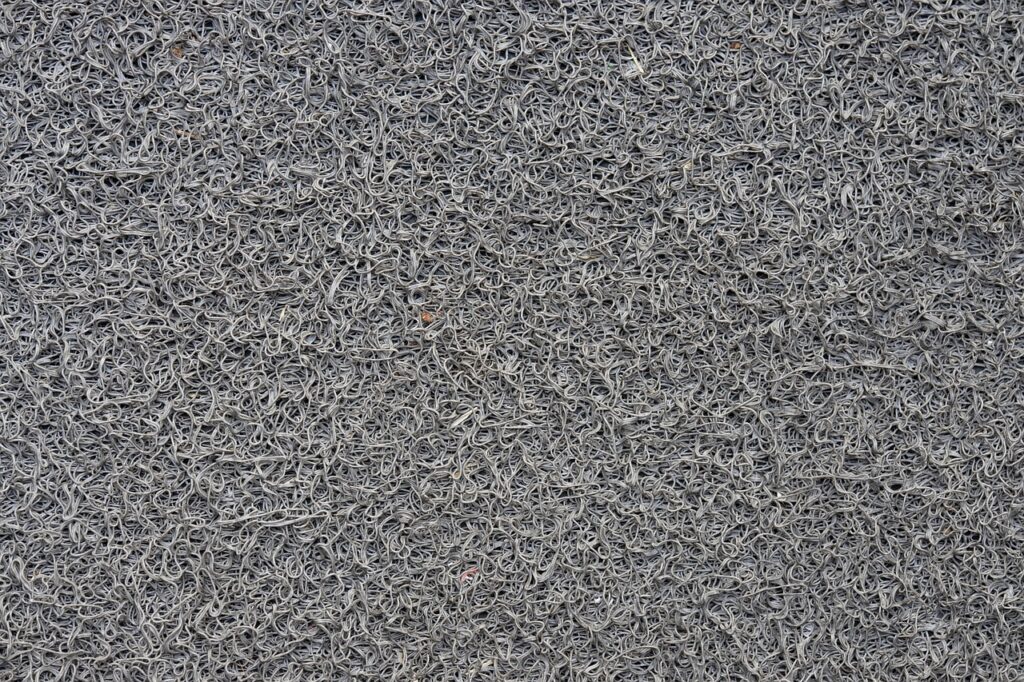
The right plastic mat can save a hardwood floor from chair-wheel gouges, cushion your back through an eight-hour shift, or turn a hard slab into a safe play space, but the wrong one curls, cracks, or slides within weeks. A plastic flooring mat is one of the most versatile and affordable floor protectors available, and choosing well comes down to matching the material and thickness to the job. This guide breaks down the main types, the PVC-versus-polypropylene question, and the trade-offs that separate a good mat from a frustrating one.
What a Plastic Flooring Mat Is For
At its core, a plastic mat is a removable layer that protects the floor underneath, adds grip or cushioning, or both. Unlike permanent flooring, it lays loose and lifts up whenever you need it gone, which makes it ideal for rentals, temporary setups, and high-wear zones. The category spans rigid office chair mats, soft anti-fatigue mats, garage mats, and interlocking play tiles.
Because the uses are so different, there is no single best mat. A chair mat needs to be hard and smooth; an anti-fatigue mat needs to be soft and thick. Start by naming the problem you are solving, then pick the type built for it.
The Main Types of Plastic Mats
- Chair mats: rigid, clear PVC or polycarbonate sheets that let office chairs roll freely while protecting carpet or hard floors from wheel wear.
- Anti-fatigue mats: thick, cushioned PVC or foam mats for standing desks, kitchens, and workbenches, reducing leg and back strain.
- Garage and utility mats: heavy textured PVC for catching drips, dirt, and grit in entryways and workshops.
- Play and exercise tiles: interlocking soft plastic or foam squares that cushion falls and define a safe area.
Many products blur these lines, but knowing the core four helps you filter listings fast and avoid buying a soft mat for a job that needs a hard one.
PVC vs. Polypropylene: The Material Question
Most plastic mats are made from PVC (vinyl) or PP (polypropylene), and the difference matters. PVC is heavier, more flexible, and grippier, which makes it the standard for chair mats and anti-fatigue mats that need to lie flat and stay put. Polypropylene is lighter, more rigid, and often used for interlocking modular tiles because it snaps together and resists chemicals.
PVC’s downside is that cheaper grades can off-gas a plastic smell when new and may dent under heavy point loads. Polypropylene resists stains and moisture well but can feel harder and may become brittle in extreme cold. For a warm indoor office, PVC usually wins; for a modular garage or basement, PP tiles are often the better call.
Thickness and Why It Matters
Thickness drives both durability and comfort, and the ideal range flips depending on use. A chair mat should be relatively thin and firm, so wheels roll smoothly, while an anti-fatigue mat should be thick and soft, so it cushions your stance.
- Chair mats: around 1/8 inch for hard floors, thicker with cleats for carpet.
- Anti-fatigue mats: 1/2 to 3/4 inch for genuine cushioning underfoot.
- Play and exercise tiles: 1/2 inch or more to soften impacts.
- Garage mats: 50 to 85 mils for vehicle and tool traffic.
Buying a too-thin anti-fatigue mat is a common regret; it bottoms out under your weight and provides almost no relief. When comfort is the goal, do not skimp on thickness.
The Honest Trade-Offs
Plastic mats are cheap, easy, and removable, but they have real limits. Lightweight mats can slide on smooth floors unless they have a gripped backing or you add a non-slip underlayment. Clear chair mats can crack at stress points if they are too thin for the chair and user weight. And on carpet, a flat mat without cleats will creep and ripple over time.
New PVC mats may also need a day or two to flatten and off-gas. Unroll the mat, let it relax in a warm room, and weight the corners until it lies flat. A faint smell usually fades within a week with ventilation.
Choosing the Right Mat
Match the mat to the surface underneath and the load on top. For an office chair on hardwood, choose a smooth, hard PVC mat sized so the chair never rolls off the edge. For a standing desk or kitchen sink, prioritize a thick anti-fatigue mat with beveled edges to prevent tripping. For kids, pick non-toxic, formamide-free interlocking foam or plastic tiles.
Always measure your space and your travel zone. A chair mat that is too small forces wheels onto the edge, which cracks the mat and defeats its purpose. Bigger is usually safer than smaller for chair and play applications.
Safety and Non-Slip Considerations
A mat that slides is worse than no mat at all, since it becomes a trip hazard. On smooth hard floors, look for mats with a textured, rubberized, or gripped backing that holds position without adhesive. For anti-fatigue and play mats especially, beveled or tapered edges matter, because a thick mat with a square edge is something feet and toes catch on. If a mat keeps creeping, a thin non-slip rug underlay placed beneath it solves the problem cheaply.
For chair mats on carpet, the opposite applies: you want gripper cleats on the underside that bite into the pile and stop the mat from sliding under the rolling chair. Match the backing to the floor underneath and most slipping and tripping issues disappear.
Cleaning and Care
Plastic mats are easy to maintain, which is part of their appeal. Most wipe clean with a damp cloth and mild soap; PVC in particular shrugs off spills and stains. Avoid abrasive scrubbers and harsh solvents that can dull or scratch the surface, and skip steam, which can warp thinner mats. For garage and utility mats, a quick hose-off and air-dry handles tracked-in mud and grit.
Periodically lift the mat and clean the floor underneath, since trapped grit can scratch the surface you are trying to protect. This is especially worth doing under chair mats on hard floors, where fine debris can grind between the mat and the finish over time.
Getting the Best Value
A well-chosen plastic flooring mat is one of the cheapest ways to protect a floor, ease your joints, or create a safe zone, often for under $50. The key is buying the type and thickness built for your specific task rather than grabbing the cheapest generic mat. Pick the right material, give it room to flatten, and a simple plastic mat will quietly do its job for years.
Prefer to explore on your own?
See how new flooring looks in your actual room in seconds — free, no signup.
Try the free Floor Studio →