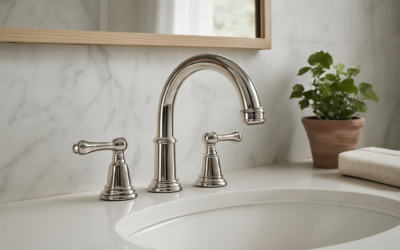
A polished chrome faucet is the finish plumbers have installed by the millions for a reason: it is bright, hard, corrosion-resistant, and it costs less than nearly every trendy alternative on the wall at the showroom. That mirror-like shine comes from a thin layer of chromium electroplated over nickel and brass, and when it is done well it can outlast the house. But chrome is not perfect. It shows water spots and fingerprints faster than a brushed finish, and a cheap plating job can flake within a few years. Here is what you actually get for your money and how to make it last.
- What Polished Chrome Really Is
- The Pros of a Polished Chrome Faucet
- The Cons You Should Know Before Buying
- How to Clean and Maintain the Shine
- Polished Chrome vs. Brushed Nickel vs. Matte Black
- Where a Polished Chrome Faucet Shines Best
- Chrome in Hard-Water Homes: A Realistic Plan
- Buying Tips: How to Spot a Good One
What Polished Chrome Really Is
Chrome is not a solid metal faucet. Under the shine sits a brass or zinc body, then a layer of copper, then bright nickel, and finally a micro-thin flash of chromium, often just 0.25 to 0.5 microns thick. That chromium layer is extremely hard, around 8 to 9 on the Mohs scale, which is why it resists scratching so well. The nickel underneath does most of the corrosion protection; the chrome mostly provides the reflective, blue-white shine and a surface that shrugs off tarnish.
Quality lives in that stack of layers. A well-built faucet from a name brand puts down thick, even nickel and chrome over solid brass. A bargain-bin fixture skimps on the nickel and uses a zinc alloy body, which is where you get pitting, bubbling, and flaking a few years in. When you compare a $45 faucet to a $180 one, you are largely paying for plating thickness and the metal underneath.
The Pros of a Polished Chrome Faucet
Chrome earned its place at the top of the sales charts. The advantages are concrete.
- Price: Chrome is typically the cheapest premium finish. A solid-brass chrome faucet often runs $60 to $150, where the same model in matte black or brushed gold can cost 20 to 40 percent more.
- Durability: The hard chromium surface resists scratches and does not wear thin at the touch points the way some PVD-coated finishes can.
- Timeless look: Chrome has been standard since the 1930s. It never reads as dated, which protects resale value.
- Easy to match: Nearly every showerhead, drain, towel bar, and cabinet knob is made in chrome, so building out a coordinated bathroom is simple.
- Corrosion resistance: It handles hard water, humidity, and daily use in a wet bathroom without tarnishing like brass or copper.
The Cons You Should Know Before Buying
No finish is flawless, and chrome has a couple of real drawbacks that show up in daily use.
The biggest complaint is maintenance visibility. That mirror surface broadcasts every water spot, fingerprint, and toothpaste splatter. In a home with hard water above 7 grains per gallon, you will see white mineral spotting within a day or two of cleaning. It wipes off easily, but it demands more frequent attention than a brushed nickel or matte finish that hides everything.
The second issue is quality variance. Because chrome is the budget finish, the market is flooded with cheaply plated fixtures over zinc bodies. These can develop tiny blisters where moisture creeps under the plating, and once the chrome flakes there is no fixing it short of replacement or professional re-plating that costs more than a new faucet. Buy from a brand with a solid warranty and confirm the body is brass, not zinc alloy.
How to Clean and Maintain the Shine
Keeping chrome bright is genuinely easy if you avoid the mistakes that ruin it. The plating hates abrasives and harsh acids.
- Daily: Wipe the faucet with a dry microfiber cloth after use to knock down water spots before they mineralize. Ten seconds a day beats a weekly scrub.
- Weekly: Clean with warm water and a drop of dish soap on a soft cloth, then buff dry. That is all most homes need.
- Hard-water spots: Mix equal parts white vinegar and water, apply for no more than five minutes, then rinse thoroughly and dry. Never let vinegar sit on chrome for long periods, as prolonged acid contact can dull the finish and attack the nickel at any micro-pores.
- Stubborn buildup: Lay a vinegar-dampened paper towel over the aerator and spout for a few minutes, then buff. For the aerator screen, unthread it and soak it separately.
Three things will destroy a chrome finish: abrasive pads like steel wool or a Magic Eraser used hard, bleach and ammonia cleaners left on the surface, and any scouring powder. Scratches in chrome are permanent, so treat it like a mirror, not a countertop.
Polished Chrome vs. Brushed Nickel vs. Matte Black
Buyers almost always cross-shop these three. Here is how they stack up in practice.
- Polished chrome: Brightest and most reflective, lowest cost, shows spots the most, coolest blue-white tone. Best for traditional, transitional, and contemporary baths.
- Brushed nickel: Warmer, satin sheen, hides water spots and fingerprints far better, usually costs a bit more, and reads slightly softer and more muted.
- Matte black: Bold, modern, hides water spots but shows dust, limescale, and soap film as chalky streaks; often the priciest and hardest to match with existing fixtures.
If you have hard water and hate cleaning, brushed nickel is the forgiving choice. If you want maximum shine, easy matching, and the lowest price, chrome wins. For a high-contrast modern look and do not mind the upkeep, matte black delivers drama.
Where a Polished Chrome Faucet Shines Best
Chrome is at home almost anywhere, but it earns its keep in a few spots. In a classic white subway-tile bathroom it looks crisp and clean. In a small powder room, the reflective surface bounces light and makes the space feel bigger. In a busy family bathroom on a budget, the low cost and toughness let you outfit multiple sinks without breaking $500. Chrome also pairs cleanly with white, gray, navy, and pastel palettes, which covers most homes.
The one place I steer people away from chrome is a spa-style master bath where they want a warm, moody feel. There, warmer finishes like brushed gold, champagne bronze, or matte black set the tone better. Chrome reads clean and functional, not luxurious, and that is exactly why it works so well in the majority of American bathrooms and kitchens.
Chrome in Hard-Water Homes: A Realistic Plan
If your water is hard, and most of the country’s is, chrome will show spots, but that does not mean you should avoid it. It means you build a light routine around it. Keep a dedicated microfiber cloth by each sink and give the faucet a five-second buff after the last use of the day. That single habit prevents mineral spotting from ever cementing into the chalky, etched buildup that people mistake for a damaged finish.
For homes above roughly 10 grains per gallon of hardness, consider treating the water rather than fighting the faucet. A whole-house water softener eliminates spotting on every fixture, glass, and shower door in the house, and it protects your water heater and pipes as a bonus. If a softener is not in the cards, a weekly vinegar wipe on the aerator and spout, kept brief and always rinsed, keeps scale from narrowing the aerator and weakening the spray. The point is that chrome’s one real weakness is entirely manageable with a two-minute habit, which is why plumbers still install it by the truckload in hard-water regions.
Buying Tips: How to Spot a Good One
When you are standing in the aisle or scrolling a product page, check these details before you commit.
- Confirm the body material is solid brass, not zinc alloy or plastic. Brass resists corrosion and holds plating far better.
- Look for a ceramic disc cartridge rather than a rubber-washer valve. Ceramic cartridges last 20-plus years and rarely drip.
- Check the warranty. A lifetime finish-and-function warranty signals the maker trusts its plating.
- Read reviews specifically for flaking or pitting complaints after a year or two of use.
- Match the finish to your existing hardware; showroom chrome can vary slightly in warmth between brands.
Bottom line: a well-made polished chrome faucet is one of the best values in plumbing. Spend enough to get a solid-brass body and a ceramic cartridge, wipe it dry after use, and it will stay bright and drip-free for decades while costing you less than nearly any other finish on the shelf.