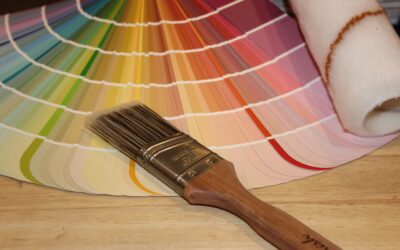
A fresh coat on a tired porch is one of the highest-impact weekend projects a homeowner can tackle, but outdoor floors are unforgiving of shortcuts. Porch and patio floor paint has to survive foot traffic, rain, UV sun, freeze-thaw cycles, and the occasional dragged chair, all while staying slip-resistant when wet. Choosing the right product and, just as important, preparing the surface correctly is the difference between a finish that lasts five to ten years and one that peels by the next spring. This guide covers the paint types, the prep that makes them stick, and how to apply them for a durable result.
Part of our Decks & Outdoor guide — explore the full guide →
The first thing to understand is that porch and patio paint is not ordinary wall or deck paint. It is formulated as a floor coating, thicker, tougher, and engineered to resist abrasion, moisture, and mildew. Using interior paint or standard exterior wall paint on a floor is the single most common mistake, and it always ends the same way: cracking, peeling, and a redo within a season.
Types of Porch and Patio Paint
There are three main families of product, and the right one depends on your surface and how much durability you want.
- Acrylic latex porch and floor paint is the most common and homeowner-friendly. It is water-based, easy to apply and clean up, low-odor, and works on both concrete and wood. It resists fading and mildew and is the go-to for most porches.
- Oil or alkyd-based floor enamel dries to a harder, more abrasion-resistant film and adheres well, but it has a stronger odor, longer dry times, and cleanup requires mineral spirits. It suits high-traffic wood porches.
- Epoxy and polyurethane coatings are the toughest option, especially for concrete patios and garage-style floors. Two-part epoxy bonds hard and resists chemicals and abrasion, though it demands careful mixing, exacting prep, and a topcoat for UV resistance outdoors.
For a covered front porch, an acrylic latex floor paint usually delivers the best mix of ease and durability. For an exposed concrete patio that takes weather and heavy use, an epoxy or a masonry-specific coating with a UV-stable topcoat is a better long-term bet.
Once your patio flooring is in place, think about how you’ll use the space. A gazebo adds shade and structure, while a good outdoor furniture set turns it into a spot you’ll actually want to hang out in. A deck box is also worth considering if you need somewhere to stash cushions and outdoor gear.
We may earn a commission when you purchase through our links.
Matching Paint to Your Surface
Concrete and wood behave differently, so read the label for surface compatibility. Concrete is porous and alkaline, and fresh concrete needs to cure fully, typically 28 days, before it takes paint. New concrete also benefits from an etch or a masonry primer to open the surface and neutralize alkalinity so the coating bonds. Wood porches need a floor paint that flexes with the boards as they expand and contract, plus a primer on bare wood to seal it and prevent tannin bleed.
Whatever the surface, moisture is the enemy of adhesion. Concrete that wicks ground moisture from below will lift any coating over time, so if you suspect a damp slab, tape a square of plastic to it overnight and check for condensation before you commit to painting.
Prep: The Step That Determines Everything
If a painted floor fails, poor prep is almost always the reason. Take this phase seriously, because paint only performs as well as the surface beneath it.
- Clear and clean the floor completely, scrubbing away dirt, grease, and mildew with a suitable cleaner and rinsing thoroughly.
- Strip any old, flaking paint by scraping and sanding until you reach a sound, well-adhered surface.
- On concrete, etch the surface with a masonry etcher or degreaser to give the coating tooth, then rinse and let it dry fully.
- Repair cracks and holes with a suitable patching compound and let repairs cure.
- Prime bare wood or fresh concrete with the appropriate primer, and make sure the surface is completely dry before painting.
Do not skip the drying time between steps. Painting over a damp or dusty surface traps moisture and grit under the film, guaranteeing early failure no matter how good the paint is.
How to Apply the Paint
Application is the easy part once prep is done. Work on a mild, dry day, ideally between 50 and 85 degrees Fahrenheit, with no rain in the forecast for at least 24 to 48 hours. Stir the paint thoroughly rather than shaking it. Cut in the edges and around posts with a brush, then roll the field with a 3/8-inch nap roller, working in manageable sections and keeping a wet edge to avoid lap marks.
Two thin coats always beat one thick one. A heavy single coat sags, dries unevenly, and cures poorly, while two thinner coats build a tougher, more uniform film. Let the first coat dry for the time on the label, usually a few hours to overnight, before recoating. Then, crucially, respect the full cure time before heavy use, which can be several days to a week for the coating to reach maximum hardness. Walking furniture back onto a floor that is dry to the touch but not fully cured will scar it.
Adding Slip Resistance
Outdoor floors get wet, and painted concrete or wood can turn slick, so build in traction. The simplest method is to mix a fine anti-slip additive, sold alongside the paint, into the topcoat, which suspends a gritty texture in the finish. Alternatively, you can broadcast a light layer of fine sand onto the wet first coat and lock it in with the second. Either approach dramatically improves footing on steps and around a pool or in any spot that sees rain and bare feet.
Keeping the Finish Looking Good
Once the coating is cured, a little maintenance stretches its life for years. Sweep regularly to keep abrasive grit from grinding into the finish, and rinse the floor periodically to remove dirt and mildew. Use felt pads under furniture legs and lift rather than drag heavy items. Touch up chips and worn traffic paths as they appear instead of waiting for a full failure, and plan on a fresh coat every few years depending on exposure. Handled this way, porch and patio floor paint gives a clean, coordinated, slip-safe surface that holds up to everything the seasons throw at it.
Prefer to explore on your own?
See how new flooring looks in your actual room in seconds — free, no signup.
Try the free Floor Studio →