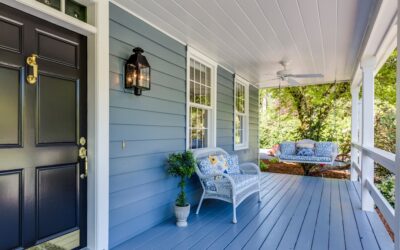
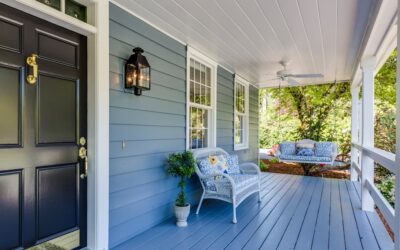
Ordinary wall paint scuffs off a floor in weeks because it is not built to handle foot traffic, sun, and moisture. Porch and floor paint is formulated specifically for horizontal surfaces that get walked on, rained on, and baked by the sun, which is why it lasts where regular paint fails. Choosing the right type and prepping the surface properly are what separate a finish that lasts for years from one that peels by the next season.
Part of our Paint & Walls guide — explore the full guide →
This guide covers the main types of porch and floor paint, the surfaces it works on, how to prep and apply it safely, and the care that keeps it looking good.
What Makes It Different
Porch and floor paint contains tougher resins and additives that resist abrasion, fading, and moisture. Many formulas include a slightly textured or grippy quality, and some are sold as anti-slip, which matters on a surface people walk on, especially when wet. It also bonds better to the dense, often slick surfaces found on porches and floors than standard interior paint does.
With your porch floor looking fresh, it’s worth thinking about the finishing touches. A porch swing is a classic addition, and a retractable awning helps protect both the floor and your furniture from sun and rain.
We may earn a commission when you purchase through our links.
Types of Porch and Floor Paint
There are three broad categories, and your choice depends on the surface and how much durability you need.
- Latex acrylic floor paint: Water-based, low odor, fast-drying, and easy to clean up. A great all-around choice for wood and concrete porches.
- Oil-based or alkyd floor paint: Very durable and hard-wearing, but slower to dry and higher in fumes, requiring more ventilation.
- Epoxy and specialty coatings: The toughest option for concrete garages and high-traffic slabs, offering excellent chemical and abrasion resistance.
For most residential porches and decks, a quality latex acrylic porch and floor paint offers the best balance of durability, easy application, and simple cleanup.
Surfaces It Works On
Porch and floor paint is versatile but not universal. It adheres well to properly prepped wood, concrete, masonry, and previously painted surfaces. It is commonly used on porch floors, steps, basement floors, garage floors, and concrete patios. It is not the right product for vinyl, laminate, or finished hardwood floors inside the home. Always confirm the label lists your specific surface before buying.
Safety First
Paint chemistry and prep both involve hazards worth taking seriously, especially with oil-based and epoxy products.
- Work in a well-ventilated area; open doors and windows and run fans, particularly with oil-based and solvent-containing paints.
- Wear gloves and safety glasses, and a respirator when working with strong-smelling or solvent-based coatings.
- Be cautious sanding older surfaces; homes built before 1978 may contain lead paint, which requires safe handling practices.
- Keep the work area free of open flames when using flammable solvents.
- Store and dispose of paint, solvents, and rags according to local regulations; oily rags can spontaneously combust if piled up.
Prepping the Surface
Preparation determines how long the paint lasts. Skip it and even the best paint peels.
- Clean the surface thoroughly, removing dirt, grease, mildew, and loose debris.
- Scrape and sand off any peeling or flaking old paint.
- Sand glossy surfaces lightly so the new paint can grip.
- Repair cracks and fill holes in wood or concrete.
- For bare concrete, etch or degloss the surface and confirm it is fully dry and free of moisture issues.
- Prime bare or stained areas with a primer compatible with your paint.
Applying the Paint
Stir the paint thoroughly and avoid painting in direct hot sun or when rain is expected within the dry window. Cut in edges with a brush, then roll the field with a roller suited to the surface texture. Apply thin, even coats rather than one thick coat that can run and dry unevenly. Most floor paints need at least two coats for full coverage and durability. Let each coat dry the full recommended time before recoating, and allow extra cure time before heavy foot traffic or moving furniture back, often several days for full hardness even though the surface feels dry sooner.
Choosing Colors and Anti-Slip Additives
Color choice on a porch floor is more practical than it is on a wall. Dark colors absorb heat and can get uncomfortably warm in direct sun, while very light colors show every footprint and bit of dirt. Mid-tone grays, blues, and earth tones hide dirt well and stay cooler. Consider how the color reads against your siding and trim, since the floor is a large visible surface from the yard. Anti-slip safety is the other big consideration on a walked-on surface, especially one that gets wet. Many porch and floor paints offer a textured or grippy formula, and you can also stir in a fine anti-slip additive, often a polymer grit, before applying. Spread the additive evenly and keep it suspended by stirring periodically as you work, because it tends to settle. Test the texture on a sample area first so the finished surface grips without feeling rough enough to scrape bare feet.
Care and Longevity
Once cured, a painted porch or floor is easy to maintain. Sweep regularly to keep grit from abrading the finish, and wash with a mild cleaner and water as needed. Place mats at entry points and under furniture feet to reduce wear. Touch up high-traffic spots before they wear down to the substrate, which is far easier than repainting the whole surface. With good prep and quality paint, expect a porch floor to hold up for several years before it needs a refresh, longer in covered areas protected from direct weather.
Recoating and Knowing When to Repaint
No painted floor lasts forever, and catching wear early makes the next refresh far easier. Watch the highest-traffic paths, the spots in front of doors, and the steps, since those wear first. When the color starts to thin or you see the substrate beginning to show through in spots, it is time to recoat before the wear reaches bare wood or concrete, where moisture can get in. A simple recoat over a sound, clean, lightly scuffed existing finish takes far less work than a full strip-and-repaint. If the old paint is peeling, flaking, or has failed in large areas, though, do not just paint over it; scrape and sand back to a sound surface first, because new paint over failing paint will fail with it. For seasonal porches, doing the recoat in mild, dry weather gives the paint the best conditions to cure hard. With timely touch-ups and the occasional recoat, a quality porch and floor paint job stays attractive and protective for many years.
Prefer to explore on your own?
See how new flooring looks in your actual room in seconds — free, no signup.
Try the free Floor Studio →