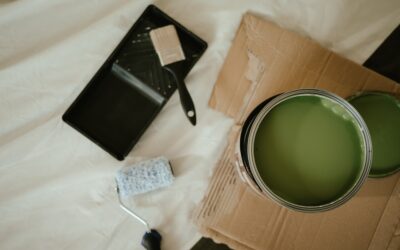
A coat of porch and floor enamel is the cheapest way to make a tired concrete slab, wood deck, or basement floor look intentional again. This is not wall paint with a different label. Floor enamel is formulated to take foot traffic, dragged furniture, sun, and the occasional spilled drink without scuffing off in a season.
Done right, a fresh coat lasts three to five years on a covered porch and longer on interior floors. Done wrong, it peels in sheets by the next spring. The difference is almost always prep and cure time, not the can you buy.
What Porch and Floor Enamel Actually Is
Enamel here means a hard, glossy-to-satin coating built for horizontal surfaces. It contains more resin and harder binders than standard interior paint, plus additives that resist abrasion and mild chemicals. Most products also carry some slip resistance, and many accept a sprinkle-in anti-skid grit for steps and ramps.
You will find it sold for concrete, wood, and metal, and a lot of cans are rated for all three. Sheen choices usually run from low-luster (satin) to gloss. Satin hides surface flaws and shows fewer footprints, which is why most contractors reach for it on a busy front porch.
With your porch floor looking fresh, it’s worth thinking about the finishing touches. A porch swing is a classic addition, and a retractable awning helps protect both the floor and your furniture from sun and rain.
We may earn a commission when you purchase through our links.
Oil-Based vs. Water-Based
The two chemistries behave very differently, and picking the right one matters more than the brand.
- Oil-based (alkyd): Penetrates and bonds hard, handles moisture and abrasion well, and gives the most durable finish on bare wood. Downsides are strong fumes, longer dry times, and mineral-spirit cleanup. Many regions now restrict high-VOC oil formulas.
- Water-based (acrylic/latex): Low odor, soap-and-water cleanup, fast recoat, and far better color retention in sunlight. Modern acrylic floor enamels are tough enough for most porches and resist the yellowing that plagues oil over time.
For an exposed porch in full sun, a quality 100% acrylic enamel usually wins on longevity because it stays flexible and will not chalk or amber. For a high-abrasion shop or garage floor, an oil-based or two-part epoxy is the harder wearing choice.
Surface Prep: Where Jobs Are Won or Lost
Skip nothing here. Roughly 80% of peeling failures trace back to a contaminated or glossy surface the coating could not grab.
- Clear and clean. Sweep, then scrub with a degreaser to pull off oil, pollen film, and old wax. Rinse thoroughly and let it dry.
- Dull the gloss. Scuff-sand previously painted surfaces with 120 to 150 grit so new enamel has tooth to bite into.
- Etch bare concrete. New or slick concrete needs an acid or citric etch to open the pores. The surface should feel like fine sandpaper afterward.
- Repair. Fill cracks with a flexible patch, set popped nails below the surface, and replace soft or rotted boards.
- Prime when needed. Bare wood, bare metal, and chalky old paint all benefit from a bonding primer rated for floors.
Test concrete for moisture before you start. Tape a 2-by-2-foot square of plastic to the slab overnight; if you see condensation underneath in the morning, the slab is releasing moisture and any coating will likely fail. Solve the moisture issue first.
How to Apply It
Pick a stretch of dry weather. Apply between roughly 50°F and 90°F with humidity under about 70%, and stay out of direct midday sun on the surface so the coating does not skin over before it levels.
- Cut in edges and corners with a brush, then roll the field with a 3/8-inch nap roller for smooth surfaces or 1/2-inch for rough concrete and wood.
- Keep a wet edge and work in manageable sections to avoid lap marks.
- Two thin coats beat one thick coat every time. Thick coats trap solvent, stay soft, and print under furniture.
- Plan your exit so you do not paint yourself into a corner of the porch.
Always follow the manufacturer’s recoat window printed on the can. Water-based enamels often allow a second coat in two to four hours; oil-based usually needs overnight. Recoating too early lifts the first coat; waiting far too long can require a light scuff for adhesion.
Drying vs. Curing
Dry to the touch is not ready for use. Coatings cure, meaning they reach full hardness, days after they feel dry. Typical guidance, and again the label is the authority:
- Light foot traffic: about 24 hours.
- Normal foot traffic: 2 to 3 days.
- Furniture and rugs: 7 to 14 days. Place rugs too soon and you can trap solvents and leave a permanent print.
Oil-based products cure slower than water-based. Cool, damp weather stretches every one of these numbers, sometimes by days.
Safety and Ventilation
Treat any floor coating as a real chemical, especially oil-based and solvent products. Open every door and window and run a fan to move air out, even on a covered porch where fumes pool. Wear nitrile gloves, eye protection, and a respirator or organic-vapor mask rated for paint fumes when using oil-based or high-VOC enamels.
Solvent-soaked rags can self-heat and ignite. Lay them flat to dry outdoors, or seal them in a water-filled metal container before disposal, and never wad them in a trash can. Keep all products away from open flame and pilot lights, and store them out of reach of children and pets. Follow the manufacturer’s instructions and your local disposal rules, and consult a professional for large industrial floors or any coating over an unknown existing finish.
Cost and What to Expect
Material is the small part of this project. A gallon of quality porch and floor enamel typically runs around $35 to $60 and covers roughly 200 to 400 square feet per coat, depending on surface texture. Budget for two coats. Primer, etcher, rollers, and patch add another modest layer of cost.
If you hire out, expect installed pricing to land somewhere in the range of $2 to $5 per square foot depending on prep, repairs, and number of coats, framed as a planning estimate rather than a quote. Heavy crack repair, moisture mitigation, or stripping a failed old coating pushes that higher.
Maintain the finish by sweeping grit off regularly, wiping spills promptly, and adding felt pads under furniture legs. When wear shows in the traffic path, a quick scuff and a single fresh coat refreshes the whole floor for years more.
Prefer to explore on your own?
See how new flooring looks in your actual room in seconds — free, no signup.
Try the free Floor Studio →