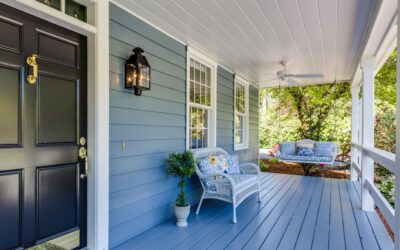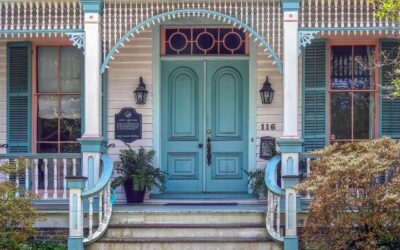
Your front porch is the handshake of your house — the first thing guests and passersby notice. A tired, gray slab drags down even a beautifully landscaped yard, which is why the right concrete porch paint colors can transform your curb appeal for a couple hundred dollars and a weekend of work. But porch concrete lives a hard life: baking sun, freeze-thaw cycles, muddy boots, and standing rain. The color you pick has to look good and stand up to all of it. This guide walks through the shades that work, the ones that fade fast, and how to match your porch to the rest of the house.
Part of our Paint & Walls guide — explore the full guide →
- What Makes Porch Paint Colors Different
- The Best Concrete Porch Paint Colors
- Matching Your Porch Color to the House
- Solid Color, Stain, or Patterned Finish?
- Colors That Fade — and How to Fight It
- Prep Work That Makes the Color Last
- Test Before You Commit
- Color Ideas by House Style
- How Often You'll Need to Repaint
What Makes Porch Paint Colors Different
Painting a porch is not the same as painting an interior floor. The slab is exposed to UV that bleaches pigment, moisture that pushes up from below, and constant abrasion from foot traffic and grit. That means two things for color choice. First, mid-tones and warmer neutrals hide dirt, pollen, and hairline cracks far better than stark white or jet black. Second, deep, saturated colors and pure whites tend to show fade and chalking sooner, especially on south- and west-facing porches that get punishing afternoon sun.
Because of that, the smartest porch colors sit in the earthy, muted middle of the palette. They stay handsome as they age instead of looking blotchy the first summer.
The Best Concrete Porch Paint Colors
These shades come up over and over on well-kept porches because they balance beauty with real-world durability:
- Warm gray (greige): The most versatile choice. It reads clean and modern, pairs with nearly any siding, and hides dust and pollen. A slightly warm gray avoids the cold, industrial look of pure gray.
- Tan and sandstone: Earthy neutrals that feel welcoming and hide dirt exceptionally well. Perfect for craftsman, ranch, and traditional homes.
- Terracotta and clay red: A classic Southwestern and Mediterranean look. The warm rust tone hides mud and complements brick and stucco.
- Slate blue-gray: Adds subtle character without being loud. Looks especially sharp against white trim and colonial or coastal homes.
- Sage and muted green: A softer, nature-inspired option that ties a porch to the landscape and works well with wood accents.
- Charcoal: Bold and contemporary. Best on shaded porches, since dark colors absorb heat and can get uncomfortably hot in full sun.
Matching Your Porch Color to the House
A porch color never stands alone — it has to converse with your siding, trim, front door, and roof. The easiest formula is to pick a floor shade a few steps darker or lighter than your dominant house color so it grounds the space without clashing.
For a white or light-sided house, a warm gray or slate blue porch adds definition. For brick homes, terracotta, tan, or a soft green echoes the masonry tones. If you have a bold front door — say, navy or red — keep the floor neutral so the door stays the star. A quick trick: pull one color from your roof shingles and choose a porch shade in the same family. That built-in coordination makes the whole facade feel intentional.
Solid Color, Stain, or Patterned Finish?
Color is only half the decision. How you apply it matters just as much for looks and longevity.
Solid Porch and Floor Paint
A dedicated acrylic or epoxy-fortified porch-and-floor paint gives full, opaque coverage that hides stains and old patch marks. It is the most durable everyday option and comes in dozens of pre-mixed colors. Expect to pay $30 to $50 per gallon, with one gallon covering roughly 200 to 300 square feet in two coats.
Concrete Stain
Acid and water-based stains soak into the slab rather than sitting on top, producing a translucent, variegated color that mimics natural stone. Stains will not chip or peel the way paint can, but they show every existing blemish and offer a narrower earth-tone palette — browns, tans, soft greens, and terracottas.
Two-Tone and Patterned Looks
For extra character, some homeowners paint a solid field color and add a contrasting border, faux-tile grid, or stenciled “outdoor rug” in the center. Keep the base neutral and the pattern subtle so it reads as tasteful rather than busy.
Colors That Fade — and How to Fight It
Not every pretty color survives a few summers outdoors. Bright reds, deep blues, and pure blacks are the fastest to chalk and fade under UV. If you love a saturated shade, choose a 100% acrylic paint with UV-resistant pigments and plan to refresh it more often. Whites and very light grays resist fade but show every scuff and stain, so they suit low-traffic, covered porches best.
Two steps dramatically extend any color’s life. First, apply a clear masonry sealer over your finished paint or stain — it adds a sacrificial layer that takes the abuse. Second, choose a satin or low-sheen finish rather than high gloss; gloss looks great on day one but highlights every scratch and scuff as it wears.
Prep Work That Makes the Color Last
Even the best paint fails on a badly prepped slab. Before you open a can, clean the concrete thoroughly with a degreaser and a pressure washer, then let it dry for at least 24 to 48 hours. Etch bare or previously sealed concrete with a masonry etcher so the paint can grip — skipping this is the number-one reason porch paint peels. Patch cracks and spalls, and if your slab pushes up moisture, run a plastic-sheet test: tape a square of plastic to the concrete overnight, and if condensation forms underneath, address the moisture before painting or the coating will bubble.
Test Before You Commit
Paint chips lie. A color that looks perfect in the store can turn cold or garish once it is on a big horizontal surface in real daylight. Buy a sample or a quart, paint a two-foot square in an out-of-the-way corner, and live with it for a few days. Look at it in morning light, harsh midday sun, and evening shade. Wet it down to see how it reads in rain. Only after that test should you commit to the whole porch.
Color Ideas by House Style
Sometimes the fastest way to decide is to start from your home’s architecture rather than a paint chip. Each style has porch colors that feel native to it, and leaning into that coherence almost always looks right.
- Craftsman and bungalow: Earthy tans, sage greens, and warm grays echo the natural-materials ethos. Pair with dark green or brick-red trim for a period-correct look.
- Colonial and traditional: Classic gray, slate blue, or a soft charcoal reads formal and timeless against white columns and black shutters.
- Farmhouse: Warm greige or weathered gray suits the relaxed, lived-in feel, especially alongside white board-and-batten siding.
- Mediterranean and Spanish: Terracotta and clay red are the natural fit, complementing stucco walls and clay tile roofs.
- Modern and contemporary: A crisp charcoal or cool gray on a shaded porch delivers the clean, monochrome look these homes favor.
How Often You’ll Need to Repaint
Set realistic expectations before you start. A quality acrylic porch-and-floor paint on a well-prepped, sealed slab typically lasts three to five years in a covered area and two to four years on an exposed porch that bakes in the sun and takes rain head-on. High-traffic entries and darker colors wear fastest. Concrete stain lasts longer because it penetrates rather than coating the surface, but it too benefits from a fresh sealer every couple of years. Budgeting a light touch-up each spring — spot-cleaning, resealing worn paths, and recoating high-wear zones — keeps the porch looking fresh far longer than waiting for the whole surface to fail.
With the right shade and honest prep, the best of the concrete porch paint colors will hold their beauty for years and give your home a warm, finished welcome. Choose an earthy mid-tone, coordinate it with your siding and roof, seal it well, and you will get a porch that looks freshly painted long after the project is done.