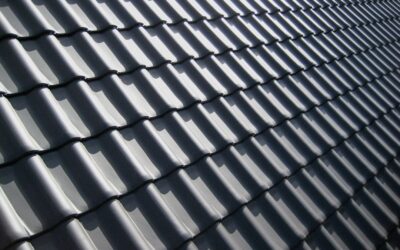
Drive through the Southwest, Florida, or any Mediterranean-style neighborhood and the warm terracotta rooflines are impossible to miss. Clay tile roofs have protected buildings for thousands of years, and they remain one of the most durable, fire-resistant, and beautiful roofing options available, with a lifespan that can stretch past a century. They are also heavy and expensive, so they aren’t right for every home. If you’re weighing a clay tile roof for new construction or a reroof, here’s everything you need to know about the types, costs, weight requirements, and trade-offs.
Part of our Roofing guide — explore the full guide →
What Are Clay Roof Tiles?
Clay roof tiles are made from natural clay fired in a kiln at high temperatures, much like pottery, which makes them extremely hard and weather-resistant. The firing gives them their characteristic earthy color, which is baked through the tile rather than coated on, so they never need repainting and resist fading for decades.
They are not the same as concrete tiles, which are cheaper and heavier but don’t last as long or hold color as well. True clay tile is the premium, longest-lasting option in the tile-roofing family.
Types of Clay Roof Tiles
Clay tiles come in several profiles, each with a distinct look:
- Mission (barrel) tile: the classic curved “S” or half-pipe shape, alternating to shed water; the signature Spanish look
- Spanish tile: a single-piece tile with a wave profile, simpler to install than two-piece mission
- French (interlocking) tile: flat with side channels that lock together for a tighter, flatter look
- Flat/shingle tile: a sleek, low-profile option that mimics slate or shake for modern and traditional homes
How Long Do Clay Tile Roofs Last?
Longevity is clay’s headline feature. A properly installed and maintained clay tile roof commonly lasts 50 to 100 years, and well-made tiles can outlast the structure they sit on. Many manufacturers offer 50-year or even lifetime warranties on the tiles themselves.
One important caveat: the underlayment beneath the tiles does not last as long. The felt or synthetic membrane typically needs replacing every 20 to 30 years, which means the tiles are carefully removed, the underlayment is renewed, and the same tiles are reinstalled.
Weight: The Critical Consideration
Clay tile is heavy, and this is the single most important factor before installing it. A clay tile roof weighs roughly 600 to 1,100 pounds per 100 square feet (one roofing “square”), several times the weight of asphalt shingles. Many existing homes cannot support that load without structural reinforcement.
Before committing, have a structural engineer or qualified roofer evaluate whether your framing can carry the weight. Retrofitting an under-built roof with extra rafters or trusses adds cost but is non-negotiable for safety.
What Do Clay Tile Roofs Cost?
Clay is a premium material with premium pricing. Installed costs typically run $10 to $25 per square foot, meaning a 2,000-square-foot roof often lands between $20,000 and $50,000 or more. Several factors drive the range:
- Tile profile and quality (handmade and imported tiles cost more)
- Roof pitch and complexity
- Whether structural reinforcement is needed
- Regional labor rates and access
The high upfront price is offset by the roof’s lifespan; spread over 75 years, the cost per year can compete with cheaper materials that need replacing two or three times in the same period.
Pros and Cons
Clay tile roofs offer compelling advantages: a 50-to-100-year lifespan, Class A fire resistance, excellent performance in heat and salt air, resistance to insects and rot, energy efficiency from the air gap beneath the tiles, and unmatched curb appeal. They are also recyclable at end of life.
The drawbacks are real, too. The heavy weight may require reinforcement, the upfront cost is high, individual tiles can crack under heavy foot traffic or impact, and installation demands an experienced specialty crew. They also struggle in regions with frequent freeze-thaw cycles unless rated for cold climates.
Maintenance and Repair
Clay roofs are low-maintenance but not no-maintenance. Inspect annually for cracked or slipped tiles, keep valleys and gutters clear of debris, and avoid walking directly on the tiles, which can crack them. Walk on the structurally supported areas or use roof jacks when access is needed. Replace broken tiles promptly so water doesn’t reach the underlayment.
Clay Tile vs. Concrete Tile
The most common comparison shoppers face is clay versus concrete tile. Concrete tile costs less, roughly $4 to $12 per square foot installed, and is widely available, but it has trade-offs. It’s even heavier than clay, absorbs more water (which can lead to mold and freeze damage), and its color is a surface coating that fades and may need recoating over time.
Clay holds its color permanently because the pigment is fired throughout the tile, resists water absorption better, and typically outlasts concrete by decades. Concrete makes sense on a tighter budget; clay is the choice when longevity, color retention, and authenticity matter most.
Best Climates for Clay Tile
Clay tile performs best in hot, sunny, and coastal regions, which is exactly why it dominates roofs across California, Arizona, Texas, and Florida. The tiles reflect heat, and the air gap created by their curved profile ventilates the roof deck, helping keep attics cooler and cutting cooling costs in summer.
In cold climates with repeated freeze-thaw cycles, standard clay tile can crack as absorbed moisture freezes and expands. If you live in a snowy region and want clay, specify tiles rated as grade 1 or freeze-thaw certified, and make sure they’re installed by a crew experienced with cold-climate detailing. In salt-air coastal zones, clay’s resistance to corrosion gives it a clear edge over metal roofing.
Is a Clay Tile Roof Right for You?
Clay tile makes the most sense in hot, sunny, or coastal climates, on homes that can bear the weight, and for owners planning to stay long enough to enjoy the multi-decade payoff. If you want a roof you may genuinely never replace and love the Mediterranean or Spanish aesthetic, clay is hard to beat. Just budget for the weight assessment and specialty installation, and choose an experienced tile roofer to get the most from this century-class material.