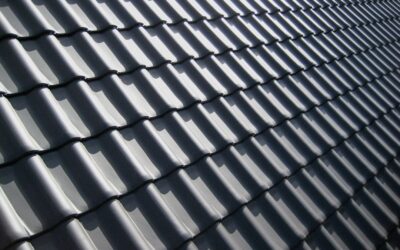
Drive through any Mediterranean-, Spanish-, or Mission-style neighborhood and the rooflines are unmistakable: rows of curved, terracotta-colored tiles that have shrugged off sun and storms for decades. Ceramic tile roofing, made from fired clay, is one of the longest-lasting roof coverings you can install, routinely outliving the asphalt shingles most homes wear. It also costs more upfront and demands a structure strong enough to carry its considerable weight. Here is what every homeowner should understand before choosing it.
Part of our Roofing guide — explore the full guide →
Clay, Ceramic, and Concrete Tile Explained
The terms get used loosely, so clarity helps. Clay roof tiles are formed from natural clay and fired in a kiln, much like pottery; “ceramic tile roofing” usually refers to these clay tiles, sometimes glazed for a sealed, colorfast finish. Concrete roof tiles are made from a sand-cement mixture, molded and cured rather than kiln-fired. Both deliver the classic tile look, but they differ in important ways.
- Clay/ceramic tile: the longest lifespan, excellent color retention, naturally fade-resistant, and lighter than concrete tile, but more expensive.
- Concrete tile: less costly, heavier, and prone to gradual color fading, but still very durable.
Lifespan and Durability
This is where tile earns its reputation. A properly installed clay tile roof commonly lasts 50 to 100 years, and many historic clay roofs in Europe and the American Southwest have surpassed a century. Concrete tile typically lasts 40 to 60 years. By comparison, standard asphalt shingles last 15 to 30 years. The tiles themselves often outlive the underlayment beneath them, which may need replacing once or twice over the roof’s life.
Tile is also fire-resistant, earning a Class A fire rating, which is a major advantage in wildfire-prone regions. It resists rot, insects, and the UV degradation that ages other materials. Fired clay does not corrode or burn.
Weight: The Critical Engineering Factor
Tile roofs are heavy. Clay tile weighs roughly 600 to 1,100 pounds per roofing square (a 10-by-10-foot, 100-square-foot area), and concrete tile can hit 900 to 1,200 pounds per square. Asphalt shingles, by contrast, weigh only about 230 to 320 pounds per square. That difference is enormous.
Because of this load, many existing homes need a structural engineer to confirm the framing can support tile, and some require reinforced rafters or additional trusses before installation. Never assume a roof built for asphalt can carry tile without an evaluation. This is a job for licensed professionals.
Cost per Square
Tile roofing is a premium investment. Installed costs vary by region, roof complexity, and tile grade, but general ranges look like this:
- Concrete tile: roughly $4 to $9 per square foot installed
- Clay/ceramic tile: roughly $10 to $20 per square foot installed
- Premium or handmade clay: can exceed $20 to $25 per square foot
For a typical 2,000-square-foot roof, that puts a clay tile installation well into the tens of thousands of dollars, several times the cost of asphalt. Any required structural reinforcement adds to that. The long lifespan, however, often makes the cost per year of service competitive over the decades.
Climate Fit
Tile excels in hot, sunny, and dry climates, which is why it dominates the Southwest, California, Florida, and Mediterranean regions. The tiles create an air gap that helps insulate the roof and reflect heat, lowering cooling costs. They handle intense sun and salt air without degrading.
In cold, freeze-thaw climates, tile selection matters more. Water that seeps into a porous tile and freezes can crack it, so look for tiles rated for freeze-thaw resistance and proper cold-climate installation. Glazed clay and dense, low-absorption tiles handle freezing far better than cheap porous ones. Tile also performs well in high winds and hurricanes when fastened correctly.
Drawbacks to Weigh
- High upfront cost compared with asphalt or metal.
- Weight that may require structural reinforcement.
- Fragility underfoot: individual tiles can crack if walked on carelessly, complicating repairs and rooftop work.
- Specialized installation: not every roofer is experienced with tile, and poor flashing or fastening leads to leaks.
- Underlayment replacement: the waterproof membrane beneath the tiles wears out before the tiles do and is labor-intensive to redo.
Maintenance
Tile roofs are low-maintenance but not no-maintenance. Inspect annually for cracked or slipped tiles, especially after storms, and replace damaged pieces promptly to protect the underlayment. Keep valleys and gutters clear of debris. Avoid pressure-washing at high settings, which can crack tiles or strip glazing; gentle cleaning is best. Have a tile-experienced roofer handle any rooftop work to avoid breakage.
Is It Right for Your Home?
Tile Profiles and Styles
Tile roofs come in several recognizable shapes, and the profile affects both look and water-shedding performance.
- Mission (barrel) tile: the classic alternating convex-and-concave half-cylinders seen on Spanish-style homes.
- Spanish “S” tile: a single S-shaped tile that creates the barrel look with fewer pieces.
- Flat (French or interlocking) tile: low-profile tiles that resemble slate or shake and suit more modern or European designs.
- Riveted and interlocking concrete tiles: molded with channels that lock together for wind resistance.
Profile choice is partly aesthetic and partly practical: high-barrel profiles shed water dramatically and read distinctly Mediterranean, while flat tiles give a cleaner, more contemporary roofline.
Energy and Resale Benefits
Beyond longevity, tile offers real ownership perks. The air gap created beneath the curved tiles acts as a thermal break, reducing heat transfer into the attic and lowering cooling bills in hot climates. Many tile products qualify as cool-roof options that reflect solar heat. Tile also boosts curb appeal and resale value, since buyers recognize a tile roof as a durable, premium feature they will not have to replace. In wildfire zones, the Class A fire rating can even affect insurance considerations. These long-term benefits help offset the higher upfront cost.
Ceramic tile roofing is an outstanding long-term choice if you live in a hot or coastal climate, plan to stay in the home for decades, value fire resistance, and have a structure that can carry the weight. If your budget is tight or your framing cannot support the load without costly reinforcement, concrete tile or another material may serve better. For the right house, though, a clay tile roof is a one-time investment that can outlast the homeowner who installs it.