Tile shingles are a roofing material prized for their durability, distinctive appearance, and long lifespan. Made most commonly from clay or concrete, these roof tiles can last for decades, resist fire, and give a home a timeless, architectural character that asphalt shingles cannot match. They are especially associated with Mediterranean, Spanish, and Southwestern styles, but modern profiles suit many other looks as well.
Part of our Roofing guide — explore the full guide →
This guide explains the main types of roofing tile, their advantages and drawbacks, what to expect in terms of cost and lifespan, and, most importantly, the serious safety considerations involved. Roof work is genuinely dangerous, so this article emphasizes when to call a professional rather than attempting installation yourself.
What Tile Shingles Are
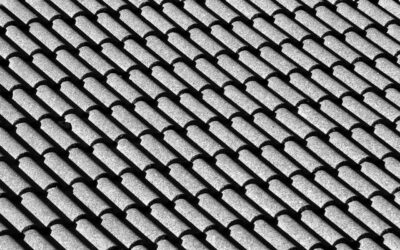
Roofing tiles are individual overlapping units that shed water down the slope of a roof. Unlike thin, flexible asphalt shingles, roofing tiles are rigid, heavy, and designed to last for the long haul.
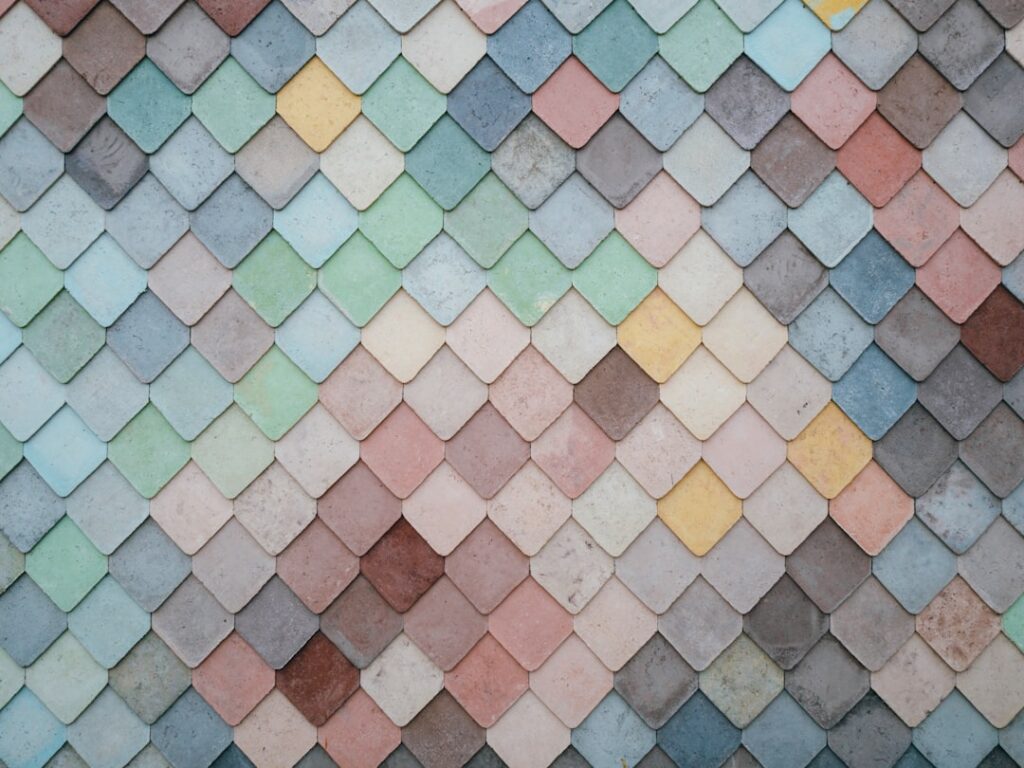
They come in various shapes, from flat profiles that resemble slate to the curved, barrel-style tiles common on Spanish-influenced homes. Their weight and rigidity are part of what makes them durable, but those same qualities create installation and structural demands that lighter materials do not. Understanding the material is the first step in deciding whether a tile roof is right for your home.
Common Types of Roofing Tile
There are several materials and profiles to choose from, each with its own look, weight, and performance characteristics. Knowing the categories helps you weigh the options.
- Clay tile: traditional, long-lasting, and known for rich, fade-resistant color, often in barrel shapes.
- Concrete tile: versatile and typically more affordable than clay, available in many profiles and colors.
- Slate: a natural stone tile that is extremely durable and elegant, but heavy and costly.
- Synthetic and composite tiles: lighter-weight options that mimic the look of clay or slate.
Clay and concrete are the most common true tile roofs. Synthetic alternatives have grown popular precisely because they reduce the weight that makes traditional tile so demanding to support.
Advantages of Tile Roofing
Tile roofs offer real, lasting benefits that explain their enduring popularity in the right climates and styles. These strengths are why many homeowners consider them a once-in-a-lifetime roof.
- Longevity: a well-installed and maintained tile roof can last many decades.
- Durability: resistant to rot, insects, and fire.
- Curb appeal: a distinctive, premium look that can raise a home’s value.
- Energy performance: the thermal mass and airflow under tiles can help moderate attic temperatures.
- Low maintenance: individual tiles can be replaced if damaged.
In hot, sunny climates especially, tile’s heat tolerance and longevity make it a strong long-term investment compared with materials that need frequent replacement.
Drawbacks to Consider
Tile roofing is not the right choice for every home, and the downsides are significant. Weigh these carefully before committing.
The biggest issue is weight. Clay and concrete tiles are very heavy, and many homes need an engineered, reinforced roof structure to support them safely. This is not optional; installing heavy tile on an inadequate structure is dangerous. Tile is also more expensive than asphalt, both for materials and for the skilled labor required. Individual tiles can crack under impact or foot traffic, and walking on a tile roof requires care to avoid breaking tiles. Repairs and installation demand specialists, not general handymen.
Cost and Lifespan
Tile roofs sit at the premium end of the roofing market. As rough estimates, both materials and installation cost considerably more than asphalt shingles, with clay and slate generally pricier than concrete. Treat any specific figure as an estimate, since costs vary widely by region, roof complexity, tile type, and structural work needed.
The trade-off is lifespan. A quality tile roof can far outlast asphalt, sometimes lasting the life of the home with proper care. When you factor in that longevity, the higher upfront cost can pay off over time, though the structural and installation requirements mean the math depends heavily on your specific house.
Critical Safety Considerations
Roof work is one of the most hazardous home projects there is, and tile roofing adds extra risks. This is not a typical do-it-yourself job, and treating it casually can lead to serious injury.
- Fall hazard: falls from roofs cause severe and sometimes fatal injuries. Proper fall protection is essential.
- Steep and slippery roofs: never work on a wet, icy, or steep roof.
- Heavy material: the weight of tile is dangerous to handle and may require an engineered roof structure to support it.
- Fragile tiles: tiles crack underfoot, creating both repair issues and slip risks.
For all of these reasons, hire a licensed, insured roofer experienced with tile. A qualified contractor brings the fall protection, structural knowledge, and skill to install or repair tile safely and correctly. Do not attempt a tile roof installation or major repair yourself.
Is Tile Right for Your Home and Climate?
Tile is not equally suited to every house or region, so it pays to think it through before investing. Climate, structure, and architectural style all factor into the decision.
- Hot, sunny climates: tile excels, tolerating heat and intense sun for decades.
- Freeze-thaw regions: choose tile rated for freezing conditions, since some tiles can crack with repeated freezing.
- Structural capacity: confirm with a professional that your roof can carry the weight or can be reinforced.
- Architectural fit: tile suits Mediterranean, Spanish, and Southwestern styles, with profiles for others too.
A qualified roofer or structural engineer can assess whether your specific home is a good candidate, which is an essential step given the weight involved.
Choosing a Roofing Contractor
Because tile installation demands specialized skill, choosing the right contractor is one of the most important decisions in the whole project. Not every roofer has deep experience with tile, and the consequences of a poor installation are serious.
Look for a licensed, insured roofer with specific tile experience and verifiable references. Ask about how they will handle the structural requirements, the underlayment system beneath the tiles, and flashing at valleys and penetrations, since these details determine whether the roof actually keeps water out. Get detailed written estimates, confirm the scope includes any needed structural work, and never choose on price alone for a job this consequential. A skilled, properly insured contractor protects both your home and the workers doing the dangerous job of installing a heavy roof at height.
Maintaining a Tile Roof
While tile is low maintenance, it is not no maintenance. Have the roof inspected periodically by a professional, who can spot cracked or slipped tiles, check the underlayment, and clear debris from valleys and gutters.
Address damaged tiles promptly so water cannot reach the underlayment and decking. Keep tree limbs trimmed back to reduce impact damage and debris, and resist the urge to walk on the roof yourself. With professional installation, proper structural support, and regular expert inspections, tile shingles can crown your home with a beautiful, exceptionally durable roof that lasts for generations.