Drive through any Southwestern or Mediterranean-style neighborhood and the rooflines tell the story. Spanish tile roofs deliver that unmistakable warm, curved profile that can last a century while shrugging off blistering sun and driving rain. They are also heavy, pricey, and misunderstood, which trips up plenty of homeowners weighing the upgrade. Having spec’d and inspected these roofs across hot-climate homes, I’ll walk you through the materials, costs, and realities so you know exactly what you are signing up for.
Part of our Roofing guide — explore the full guide →
- What Makes a Roof "Spanish Tile"
- Clay vs Concrete Spanish Tile
- Weight and Structural Requirements
- What Spanish Tile Roofs Cost
- Climate Strengths and Weak Spots
- Lifespan and the Underlayment Secret
- Maintenance and Repairs
- Barrel, S-Tile, and Flat Profiles
- Color, Blends, and Curb Appeal
- Installation Timeline and Hiring a Pro
- Is a Spanish Tile Roof Right for You
- The Bottom Line
What Makes a Roof “Spanish Tile”
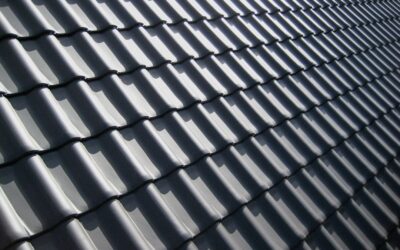
The signature look comes from barrel-shaped tiles, often called mission or S-tiles, that create alternating ridges and valleys for a rolling, textured surface. Those curves are not just decorative. They channel rainwater efficiently and create air pockets beneath the tile that help insulate the home. Traditionally fired from terracotta clay, the style now includes concrete versions and a handful of lightweight synthetics that mimic the profile at a fraction of the weight.
Clay vs Concrete Spanish Tile
Most buyers choose between two core materials, and the difference shows up in cost, color, and longevity.
- Clay tile: Fired terracotta with color baked all the way through, so it never fades or needs repainting. Expect 75 to 100 years of service and premium pricing.
- Concrete tile: Molded from sand, cement, and pigment at roughly half the material cost of clay. It lasts 40 to 60 years but the surface color can fade and it absorbs more water.
Clay is the gold standard for authenticity and lifespan, while concrete offers the look for a friendlier price. Both weigh a great deal, which brings us to the single biggest consideration.
Weight and Structural Requirements
These are heavy roofs, full stop. Clay tile runs 600 to 1,100 pounds per square (a 10-by-10-foot area), and concrete can hit 900 to 1,200 pounds per square, compared with about 250 pounds for asphalt shingles. Before you re-roof an existing home, a structural engineer should confirm the framing can carry the load. Many homes need reinforced rafters or additional support, an added cost that catches owners off guard. New construction in tile country is usually engineered for it from the start.
What Spanish Tile Roofs Cost
Budget generously, because this is a premium roofing system. Installed pricing typically lands in these ranges:
- Concrete Spanish tile: $10 to $18 per square foot installed
- Clay Spanish tile: $15 to $30 per square foot installed
- Structural reinforcement, if needed: $1,000 to $10,000 depending on the framing
For a typical 2,000-square-foot roof, clay commonly runs $30,000 to $60,000, while concrete might land between $20,000 and $36,000. The high entry price is offset by a lifespan that can outlast three or four asphalt roofs, so the cost per year of service is competitive over the long haul.
Climate Strengths and Weak Spots
This roofing earned its reputation in hot, sunny regions for good reason. The tiles are noncombustible with a Class A fire rating, they reflect solar heat, and the airflow beneath them can cut attic temperatures by 20 to 30 degrees Fahrenheit compared with dark shingles. They also handle heavy rain and salt air beautifully, which is why coastal Mediterranean homes favor them.
Cold climates are a different story. Repeated freeze-thaw cycles can crack tile, and while high-quality clay rated for freezing performs well, cheaper concrete may spall. Hail and foot traffic are the other enemies, since individual tiles crack under a direct blow or a careless step.
Lifespan and the Underlayment Secret
Here is what many homeowners miss: the tile may last 100 years, but the waterproof underlayment beneath it does not. The real barrier against leaks is the felt or synthetic membrane under the tile, and that typically lasts 20 to 40 years. Around the two-decade mark, expect an “underlayment replacement,” where a crew carefully lifts the tiles, installs fresh membrane, and relays the same tiles. Budget for this mid-life service and your roof structure can genuinely serve a century.
Maintenance and Repairs
Upkeep is modest but not zero. Inspect the roof once a year and after major storms, looking for cracked, chipped, or slipped tiles. Individual tiles can be swapped out affordably, so keep a small stock of matching pieces from the original install. Keep gutters and valleys clear of debris, trim overhanging branches, and avoid walking on the tiles yourself, since the load points crack them. When you do need repairs, hire a roofer experienced specifically with tile, because generic shingle crews often cause more damage than they fix.
Barrel, S-Tile, and Flat Profiles
Not all Spanish tile looks the same, and the profile you choose sets the character of the roof. True two-piece barrel tile uses separate curved pieces, a “pan” laid concave-up and a “cover” laid convex-down, for the deepest, most historic shadow lines, though it is labor-intensive and costly. One-piece S-tile, or “Spanish S,” molds both curves into a single interlocking piece, cutting installation time and cost while keeping the rolling look most people picture. Low-profile and flat interlocking tiles offer a subtler, more contemporary read that still sheds water well. Your choice affects both the price and the authenticity, so view samples on a mock-up before committing.
Color, Blends, and Curb Appeal
Color is where these roofs earn their Mediterranean charm. Classic terracotta ranges from warm orange-red to deep clay brown, but manufacturers also offer multi-color blends that flash streaks of brown, gold, and charcoal across the field for a weathered, old-world effect. Because clay tile carries its color all the way through the fired body, it never needs repainting and shrugs off decades of UV exposure without fading. Concrete tile achieves its hue through surface pigment and an optional sealer, so it offers more color flexibility up front but may lighten over 15 to 20 years. Coordinate the tile blend with your stucco, stone, and trim so the whole exterior reads as one intentional palette rather than a mismatch.
Installation Timeline and Hiring a Pro
This is not a weekend DIY project. A professional crew typically re-roofs a 2,000-square-foot home in tile over one to two weeks, longer if structural reinforcement or extensive underlayment work is involved. The sequence matters: tear-off, deck inspection and repair, a high-quality underlayment, metal flashing at valleys and penetrations, then the tiles themselves fastened with nails, clips, or foam adhesive per code. Always hire a roofer who specializes in tile and can show you comparable local jobs, because improper fastening or foot traffic during install causes cracks that surface as leaks years later. Confirm the crew carries the right insurance, since working on a heavy, steep tile roof is skilled, hazardous work.
Is a Spanish Tile Roof Right for You
Weigh the decision against your home, climate, and timeline. These roofs make excellent sense if you live in a hot or coastal region, own or are building a Mediterranean, Spanish Colonial, or Mission-style home, and plan to stay long enough to enjoy the payback. They are a tougher call in freeze-prone areas, on homes with under-built framing, or for owners planning to sell within a few years. The curb appeal and resale boost are real, often adding to a home’s value in the right architectural context.
The Bottom Line
Spanish tile roofs pair timeless curb appeal with genuine century-long durability, but they demand strong framing, a bigger budget, and a mid-life underlayment refresh to deliver on that promise. Choose clay for maximum longevity and fade-free color, or concrete to capture the look for less. Confirm your structure can bear the weight, hire tile-specific installers, and this classic roof will protect and beautify your home for generations.