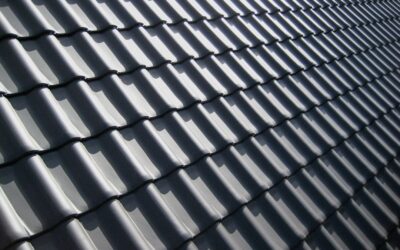
Choosing the right tiles for roof protection is one of the biggest decisions a homeowner makes, because the roof shields everything beneath it. Roof tiles are not the same as floor tiles; they are heavier, shaped to shed water, and engineered to survive decades of sun, rain, wind, and freeze-thaw cycles. The three main materials, clay, concrete, and slate, each bring a different mix of looks, longevity, and cost. Understanding those differences helps you pick a roof that fits both your home and your budget.
Part of our Roofing guide — explore the full guide →
Why Choose Tile Over Other Roofing
Tile roofs are prized for their lifespan. Where asphalt shingles might need replacing in twenty to thirty years, a quality tile roof can last fifty years or more, and slate can outlast the rest of the house. Tiles resist fire, do not rot, and stand up well to harsh weather. Their thermal mass also helps regulate attic temperatures, which can ease cooling costs in hot climates. The trade-off is weight and upfront price, which we will get to.
Clay Roof Tiles
Clay tiles are the classic choice, instantly recognizable on Mediterranean, Spanish, and Southwestern homes. Made from natural clay fired at high temperatures, they hold their color for decades because the hue is baked in rather than applied on top.
- Lifespan: Often fifty to a hundred years with proper care.
- Strengths: Excellent color retention, fire resistance, and performance in hot, sunny climates.
- Weaknesses: Heavy, brittle underfoot, and pricier than concrete. They can crack in hard freezes if not rated for cold climates.
Concrete Roof Tiles
Concrete tiles are made from a mix of sand, cement, and water pressed into shape. They mimic the look of clay, slate, or wood shake at a lower price, which makes them a popular middle-ground option.
- Lifespan: Commonly fifty years or more.
- Strengths: More affordable than clay or slate, versatile in style, and durable against wind and impact.
- Weaknesses: Even heavier than clay, so the roof structure must support the load. Surface color can fade over time, and the tiles can absorb more water than clay.
Slate Roof Tiles
Slate is natural stone split into thin, flat tiles. It is the premium choice, gracing historic homes and high-end builds with a timeless, elegant look.
- Lifespan: A hundred years or more, the longest of any common roofing.
- Strengths: Unmatched durability, natural beauty, fire resistance, and very low long-term maintenance.
- Weaknesses: The most expensive option by a wide margin, extremely heavy, and requiring skilled, experienced installers.
The Weight Question
Tile roofs weigh far more than asphalt shingles, sometimes several times as much per square. Before committing, have a structural professional confirm your roof framing can carry the load, especially on an older home built for lighter materials. In some cases, the framing must be reinforced, which adds to the total cost. Lighter-weight tile products exist if your structure cannot support full-weight tile.
What Roof Tiles Cost
Roof tile pricing varies widely by material, region, roof complexity, and labor rates, so treat any figure as a general range rather than a quote. As a rule of thumb, concrete tile tends to be the most budget-friendly, clay sits higher, and slate is the most expensive both for the material and the specialized installation. Remember that the total project also includes tear-off of the old roof, underlayment, flashing, and any structural reinforcement. Because tile lasts so long, the cost per year of service can actually beat cheaper materials that need frequent replacement.
Installation and Maintenance
Tile roofing is not a typical do-it-yourself project. The tiles are heavy and fragile to walk on, and proper installation depends on correct underlayment, fastening, and flashing to keep water out. Hire a roofer experienced specifically with tile.
Maintenance is light but not zero. Periodically inspect for cracked or slipped tiles, especially after storms, and replace damaged pieces promptly so water cannot reach the underlayment. Keep gutters clear and avoid walking on the roof unless necessary. A well-kept tile roof needs little beyond these occasional checks.
How to Choose the Right Tile
Match the material to your climate, your home’s style, and your structure. Clay shines in hot, sunny regions; concrete offers value and versatility nearly everywhere; slate suits those wanting a lifetime roof with classic looks and the budget to match. Always confirm the product is rated for your local weather, particularly freeze-thaw conditions in colder areas, and verify your framing can bear the weight.
Tile Profiles and Styles
Roof tiles come in several shapes, each shedding water differently and lending a distinct look. Flat tiles lie low and clean, suiting modern and traditional homes alike. Barrel or mission tiles, with their rolling S-curve, create the classic Spanish look and channel water efficiently down the roof. Interlocking tiles have edges designed to lock together, which speeds installation and improves the weather seal. The profile you choose affects not only appearance but also how the roof handles rain and wind, so consider both style and performance when selecting a shape.
Underlayment and Flashing Matter
It is a common misconception that the tiles alone keep water out. In reality, the tiles are the first line of defense, while a waterproof underlayment beneath them provides the critical secondary barrier. Quality underlayment, properly installed flashing around chimneys, valleys, and vents, and correct fastening all determine whether the roof stays dry over decades. When budgeting and vetting installers, pay attention to the underlayment system, not just the tiles, because that hidden layer often decides how long the roof truly lasts.
Climate and Local Considerations
Where you live should guide your tile choice. In hot, sunny regions, clay and concrete tiles help reflect heat and keep attics cooler. In areas with hard freezes, choose tiles specifically rated for freeze-thaw resistance, since water absorbed into a porous tile can crack it when it freezes. High-wind and hurricane-prone zones may require enhanced fastening and specific products to meet local building codes. Always confirm your chosen tile and installation method meet the requirements for your area before committing.
The Bottom Line
Picking the right tiles for roof coverage means weighing lifespan, weight, appearance, and price. Clay, concrete, and slate all deliver decades of protection that easily outlast asphalt, but each demands a sturdy structure and skilled installation. Confirm your framing, choose a tile rated for your climate, and hire an experienced roofer, and you will have a roof that protects your home for generations.