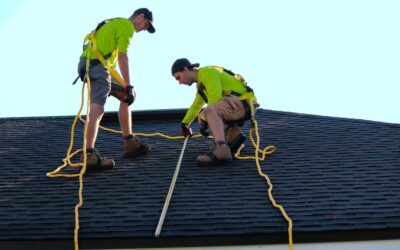
The cost to paint tile roof surfaces surprises a lot of homeowners, both in what it involves and in how much it can save compared with a full roof replacement. Painting, or more accurately re-coating, a concrete or clay tile roof can refresh a faded, weathered surface, restore curb appeal, and add a protective layer, all for a fraction of the price of tearing off and replacing tiles. But it’s specialized work with real variables, and it isn’t right for every roof. This guide breaks down the pricing and the considerations honestly.
Part of our Roofing guide — explore the full guide →
Below I’ll cover typical costs and what drives them, the painting process, which tile types can and can’t be painted, the pros and cons, and how to decide whether painting your tile roof makes sense for your home.
Typical Cost Ranges
For most homes, professionally painting a tile roof costs somewhere between $2 and $6 per square foot, though complex or difficult jobs can run higher. On a typical single-family home with roughly 1,500 to 2,500 square feet of roof area, that translates to a total in the range of about $3,000 to $10,000 depending on size, condition, and access. Larger or more complicated roofs push toward and beyond the upper end.
It’s worth putting that number in perspective. A full tile roof replacement often costs several times as much, frequently $15,000 to $40,000 or more. So while painting isn’t cheap, it can be a cost-effective way to extend the life and appearance of a structurally sound roof for years. The value depends heavily on the roof’s underlying condition, which we’ll return to.
What Drives the Price
Several factors move the cost up or down. The size of the roof is the biggest driver, since more square footage means more material and labor. The pitch and complexity matter enormously: a steep roof with many valleys, hips, dormers, and difficult access is far more labor-intensive and hazardous to work on than a simple, low-slope roof, and that safety and difficulty premium shows up in the quote.
Condition is another major factor. A roof that needs extensive cleaning, moss and lichen removal, or repair of cracked and broken tiles before painting will cost more because of the prep work involved. The type and quality of coating chosen affects price too, as premium acrylic roof coatings cost more than basic products but last longer. Regional labor rates and the number of coats required round out the variables.
The Painting Process Explained
Painting a tile roof is a multi-step process, and skipping steps ruins the result. First comes thorough cleaning, usually pressure washing to strip away dirt, algae, moss, and any loose, flaking old coating. This step is critical because paint won’t adhere to a dirty or contaminated surface. Any broken or cracked tiles are repaired or replaced during this phase, and the roof is allowed to dry completely.
Next, a primer or sealer is applied, especially important on porous concrete tiles, to help the coating bond and to seal the surface. Then two coats of a specialized roof coating, typically an acrylic formulated for roof tiles, are sprayed or rolled on. The coating does more than add color; quality products help seal the tiles, improve water resistance, and some reflect heat to reduce attic temperatures. Proper drying time between coats is essential for durability.
Which Tile Roofs Can Be Painted
Not all tile is a good candidate. Concrete tiles are the best candidates for painting because their porous surface holds coating well and they commonly fade over time, making a refresh worthwhile. Clay tiles can sometimes be painted, but their smoother, less porous surface and natural color longevity mean painting is less common and adhesion can be trickier, so it requires the right primer and expertise.
Glazed clay tiles are generally not recommended for painting because the glossy fired glaze doesn’t accept coating well and the color is baked in for the life of the tile anyway. Before painting any roof, the tiles themselves must be structurally sound; painting a roof with widespread cracked, broken, or failing tiles just puts lipstick on a failing roof. A reputable contractor will assess whether your specific tile is a suitable candidate.
Pros and Cons of Painting a Tile Roof
The advantages are real. Painting dramatically improves curb appeal, restoring a faded, patchy roof to a uniform, fresh color, which matters for enjoyment and resale. A quality coating adds a protective, water-resistant layer, can help seal minor surface porosity, and reflective coatings may reduce cooling costs. And at a fraction of replacement cost, it extends the serviceable appearance of a sound roof for many years.
The drawbacks deserve equal honesty. Painting does not fix structural problems, leaks, or failing tiles; it’s cosmetic and protective, not a repair. The coating will eventually fade and need reapplication, typically every seven to fifteen years depending on the product and climate. Poor-quality work or inadequate prep leads to peeling and a worse-looking roof than before. And painting is not appropriate for every tile type, as noted above.
DIY Versus Hiring a Professional
I strongly lean toward hiring a professional for this job. Roof work is inherently dangerous, involving heights, steep pitches, and slippery surfaces, and the specialized cleaning, priming, and coating process demands the right equipment and know-how to last. A poorly prepped DIY job often peels within a year or two, wasting the money and requiring costly correction. The safety risk alone justifies professional help for most homeowners.
When hiring, get multiple detailed quotes, confirm the contractor is licensed and insured specifically for roof work, and ask what coating system they use and what warranty they offer. Make sure the quote includes cleaning, tile repair, priming, and the number of coats, so you’re comparing complete scopes. A cheap quote that skips prep steps is no bargain when the coating fails prematurely.
Choosing the Right Roof Coating
The coating you or your contractor selects has a big influence on both the cost and how long the results last. Acrylic-based roof coatings are the most common choice for tile because they adhere well to properly prepped concrete, remain somewhat flexible to handle the roof’s expansion and contraction, and come in a wide range of colors. Premium acrylic systems cost more per gallon but typically deliver better adhesion, color retention, and lifespan, making them worth the extra outlay.
Some coatings offer added benefits worth considering. Reflective or “cool roof” coatings bounce more sunlight and can lower attic temperatures and cooling costs in hot climates, while others emphasize enhanced waterproofing or resistance to algae and mildew growth. When comparing quotes, ask exactly which product a contractor plans to use, how many coats are included, and what warranty backs it, because a cheaper job using a lower-grade coating often means repainting years sooner and spending more in the long run.
How Long Does a Painted Tile Roof Last?
A common question is how long the investment holds up, and the honest answer depends on the coating quality, the prep work, and your climate. A properly cleaned, primed, and coated tile roof using a quality acrylic system typically keeps its fresh appearance for roughly seven to fifteen years before the color fades enough to warrant recoating. Harsh sun, heavy rain, and coastal salt air shorten that window, while milder climates extend it.
The single biggest factor in longevity is the preparation. A roof that was thoroughly cleaned, repaired, and primed before coating will hold its finish far longer than one where those steps were rushed to save money. This is precisely why cutting corners on prep, or hiring the cheapest bidder who skips it, is a false economy. Done right, a painted tile roof gives you many years of refreshed curb appeal and added protection before it needs attention again, which is what makes the cost worthwhile for the right roof.
Is Painting Your Tile Roof Worth It?
Painting makes the most sense when your tile roof is structurally sound but faded, discolored, or aesthetically tired, and you want to refresh its appearance and add protection without the huge expense of replacement. In that scenario, the cost to paint tile roof surfaces is a smart, high-value investment that can transform your home’s look and buy years of service.
It’s not worth it if your roof has significant structural issues, widespread broken tiles, or active leaks, because painting won’t solve those problems and you’d be better off addressing repairs or replacement. Assess your roof’s true condition first, ideally with a professional inspection, then weigh the several-thousand-dollar painting cost against replacement. For many homeowners with sound but weathered concrete tile, painting is the sensible, budget-friendly choice.