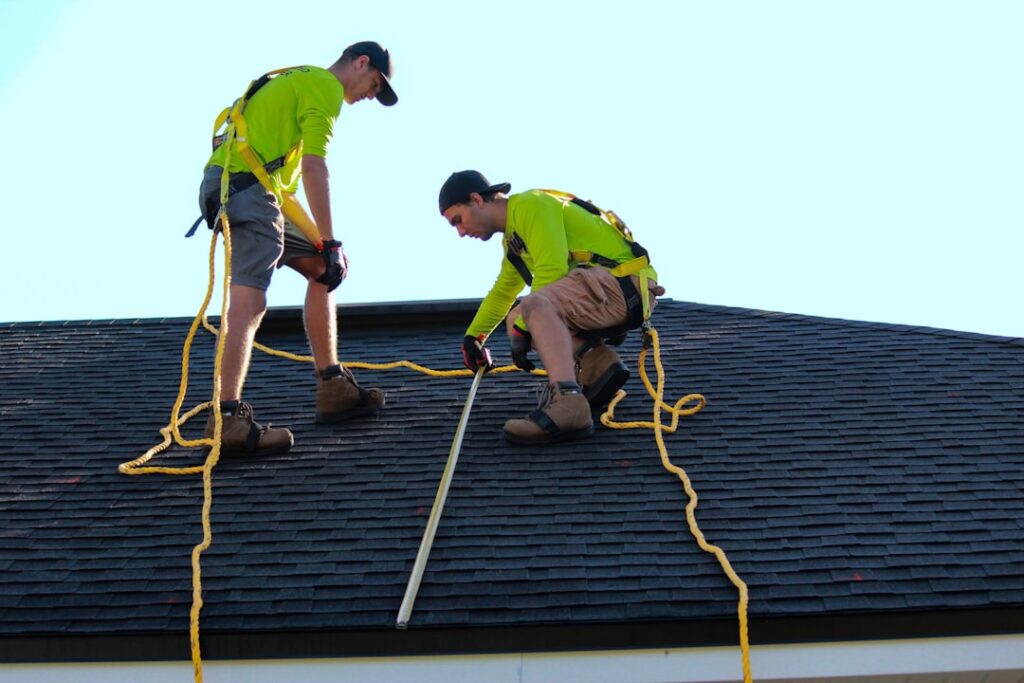
Most homeowners only think about their roof when water starts dripping onto the kitchen floor. By then, the damage is already spreading. Knowing when to change roof coverings before a small leak becomes a structural problem can save you thousands of dollars and protect everything underneath. A roof is the single largest weatherproofing system on your house, and replacing it is one of the bigger projects a homeowner will ever tackle.
Part of our Roofing guide — explore the full guide →
This guide walks through the warning signs that signal it is time, what actually happens during a tear-off and reroof, and how to budget realistically. The goal is to help you make a confident, well-timed decision rather than an emergency one.
When It Is Time to Change Your Roof
Age is the first thing a roofer will ask about. A standard three-tab asphalt shingle roof lasts roughly 15 to 20 years, while architectural shingles stretch to 25 or 30. Metal, tile, and slate can last far longer. If your roof is closing in on the end of that window, start planning even if it still looks acceptable from the street.
Beyond age, watch for these clear indicators:
- Shingles that are curling, cupping, or buckling at the edges
- Bald spots where the protective granules have worn away, often visible as dark patches
- Granules collecting in gutters and downspouts
- Cracked, broken, or missing shingles after a storm
- Daylight visible through the roof boards in the attic
- Water stains on ceilings or sagging in the roof deck
- Moss or algae growth that holds moisture against the surface
A single damaged area can sometimes be repaired. But when problems appear across multiple slopes, or when the underlying decking feels spongy, a full replacement is usually the smarter long-term move.
Repair Versus Full Replacement
Not every leak means you need to change roof materials across the whole house. If your roof is less than 10 years old and the damage is isolated, a targeted repair is often the right call and costs a few hundred dollars. The math changes when the roof is older, when repairs are becoming frequent, or when you are spending money patching a system that is fundamentally worn out.
A good rule of thumb: if repair costs approach 30 percent or more of the price of a new roof and the existing roof is past the midpoint of its lifespan, replacement is the more economical choice. Replacing also lets you correct old ventilation or flashing problems that repairs simply paper over.
The Roof Replacement Process
Understanding the sequence helps you know what to expect and ask better questions when you hire a contractor. A typical asphalt shingle replacement on an average home takes one to three days.
Inspection and Estimate
A licensed roofer measures the roof, checks the attic and decking, and notes the slope, number of layers, and any problem areas. This produces a written estimate broken down by materials and labor.
Tear-Off
The old roofing is stripped down to the decking. Stripping rather than layering over the old shingles lets the crew inspect the wood underneath and is required in many jurisdictions. Crews protect landscaping and set up dumpsters for debris.
Deck Repair and Underlayment
Any rotted or damaged plywood is replaced. Then a water-resistant underlayment goes down, along with ice-and-water shield in valleys and along eaves in cold climates. Proper flashing is installed around chimneys, vents, and skylights.
Installation and Cleanup
New shingles are nailed from the eaves up, ridge vents and cap shingles finish the peaks, and the crew runs a magnetic sweep to collect stray nails from the yard.
Choosing Your New Roofing Material
The material you select affects cost, lifespan, and curb appeal. Asphalt shingles remain the most popular by a wide margin because they balance price and durability. Metal roofing costs more upfront but lasts decades and sheds snow well. Tile and slate are premium options with the longest lifespans but require a structure rated for the extra weight.
Match your choice to your climate and how long you plan to stay in the home. If you expect to move within a few years, mid-grade architectural shingles offer the best return. If this is your forever home, investing in metal or tile can make sense.
What It Costs to Change a Roof
Roof pricing is typically quoted per square, where one square equals 100 square feet. For asphalt shingles, expect a general range of roughly $4 to $8 per square foot installed, putting a typical 2,000-square-foot roof somewhere in the broad $8,000 to $16,000 range. Metal roofing commonly runs $8 to $14 or more per square foot, and tile or slate climb higher still.
Several factors push the number up or down:
- Roof pitch and height — steep or tall roofs need more safety equipment and labor
- Number of existing layers — more tear-off means more disposal cost
- Decking repairs — rotted plywood is replaced at extra cost
- Complexity — valleys, dormers, and skylights add labor
- Regional labor rates and permit fees
Always get at least three written quotes and confirm what is included.
Hiring the Right Contractor
Roofing is dangerous, code-regulated work, so hire a licensed and insured roofer rather than attempting a full replacement yourself. Verify the contractor carries liability insurance and workers’ compensation, pull any required permits, and ask about the manufacturer’s material warranty alongside the contractor’s workmanship warranty. A reputable company will gladly provide references and proof of coverage.
Avoid storm-chasing crews that knock on your door after bad weather demanding immediate signatures. Take your time, check reviews, and make sure the scope of work is spelled out in writing before any tear-off begins.
Final Thoughts
Choosing to change roof coverings is a significant but manageable investment when you plan ahead. Watch for the warning signs, weigh repair against replacement honestly, pick a material suited to your climate and timeline, and hire a qualified professional. Done right, a new roof protects your home and everything in it for decades and adds real value when it comes time to sell.