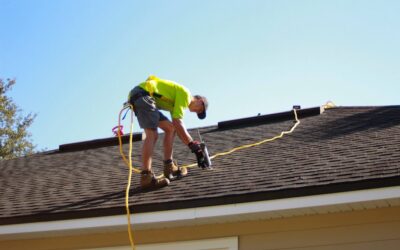
A few missing shingles after a storm rarely mean a new roof, but a sagging ridge line, daylight in the attic, or shingles in your gutters tell a different story. Knowing when to replace a damaged roof instead of patching it saves you from pouring money into repairs that only buy a year or two. A full replacement is one of the larger expenses a homeowner faces, typically $8,000 to $25,000, so it pays to understand the signs, the costs, and the process before you sign a contract.
Part of our Roofing guide — explore the full guide →
Repair or Replace?
Scope and age drive the decision. A roof under 15 years old with isolated storm damage is usually a repair. Once a shingle roof passes 20 years, or when damage spans more than 30 percent of the surface, replacement is the smarter long-term spend.
Insurance also factors in. If a covered event like hail or wind caused the damage, your policy may pay for a full replacement when repairs cannot restore the roof to its prior condition. Document everything with photos before you touch anything.
Signs You Need a Full Replacement
- Widespread curling or buckling shingles across multiple slopes, not just one patch
- Granules filling the gutters, which means the asphalt layer is wearing through
- A sagging roof deck or ridge, often pointing to rotted sheathing or structural issues
- Daylight visible through the attic boards on a sunny day
- Repeated leaks in different spots despite past repairs
- Age: a 3-tab asphalt roof past 18 to 20 years is living on borrowed time
Any one of these alone may justify a patch. Two or three together usually mean the roof has reached the end of its service life.
What a Replacement Costs
Price depends on size, pitch, material, and your region. Roofers price by the square, a 10-by-10-foot area equal to 100 square feet. A typical 2,000-square-foot roof needs about 22 to 24 squares once you account for waste and overlap.
For materials, plan on roughly:
- Architectural asphalt shingles: $4.50 to $7 per square foot installed, the most common choice
- Metal roofing: $9 to $16 per square foot, with a 40 to 70 year lifespan
- Cedar shake: $8 to $14 per square foot, with high maintenance
- Tile or slate: $12 to $30 per square foot, the premium tier
Steep pitches, multiple stories, and complex rooflines with valleys and dormers add labor cost. Tearing off two existing layers also raises disposal fees.
The Replacement Process Step by Step
- Tear-off: the crew strips old shingles down to the decking, usually in a single day for an average home.
- Deck inspection: they check the plywood sheathing and replace any soft or rotted sections, billed separately at roughly $70 to $100 per sheet.
- Underlayment and ice barrier: a synthetic underlayment goes down, with ice-and-water shield along eaves and valleys in cold climates.
- Drip edge and flashing: new metal flashing seals around chimneys, vents, and roof edges where most leaks start.
- Shingle installation: the new field shingles go on from the bottom up, followed by ridge caps and proper ventilation.
- Cleanup: a good crew runs a magnetic sweep for nails and hauls all debris.
Most replacements wrap up in one to three days, weather permitting.
Choosing a Contractor
The cheapest bid is rarely the best value. Verify the contractor carries current liability insurance and workers’ compensation, and ask for their state license number. Get three written estimates that itemize tear-off, materials, decking allowances, and warranty terms.
Look for a manufacturer-certified installer, since that often unlocks a longer warranty, sometimes 25 to 50 years on materials. Read recent reviews and ask for local addresses you can drive by. Never pay the full amount up front; a deposit of 10 to 30 percent is standard, with the balance due on completion.
Avoiding Storm-Chaser Scams
After major storms, out-of-town crews flood neighborhoods offering quick deals and pressure tactics. Be wary of anyone who knocks on your door, asks for a large cash deposit, or wants you to sign over your insurance check. Stick with established local companies that will still be around if a warranty claim comes up in five years.
Material Choices and How Long They Last
The shingle you choose determines both cost and how soon you do this again. A quick comparison of lifespans helps you weigh the upfront price against the long game:
- 3-tab asphalt: the cheapest, with a 15 to 20 year life, best for tight budgets
- Architectural asphalt: the most popular, lasting 25 to 30 years with better wind resistance
- Metal standing seam: 40 to 70 years, energy-efficient, higher upfront cost
- Clay or concrete tile: 50-plus years, heavy, requires a structure rated for the weight
- Slate: 75 to 100 years, the longest-lasting but the most expensive
For most homes, architectural shingles hit the sweet spot of cost, durability, and curb appeal. If you plan to stay in the home for decades, metal can be worth the premium.
Permits, Timing, and Insurance
Most municipalities require a permit for a full reroof, which your contractor usually pulls. Skipping it can cause problems when you sell, so confirm it is handled. Schedule the work for dry weather, since an open deck cannot get rained on; spring and fall are popular, which means booking ahead.
If a storm caused the damage, file your insurance claim promptly and document everything with dated photos. An adjuster inspects the roof, and many contractors will meet with the adjuster to advocate for a full replacement when repairs cannot restore the roof. Know your deductible and what your policy covers before the work starts.
Protecting Your Investment
Once you replace a damaged roof, simple maintenance stretches its life. Clean gutters twice a year, trim overhanging branches, and inspect after every major storm. Keep the attic well ventilated to prevent heat and moisture from cooking the shingles from below. With proper care, a quality architectural shingle roof should protect your home for 25 to 30 years before this entire process comes around again.