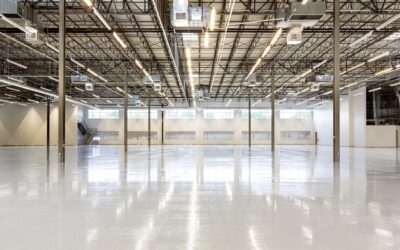
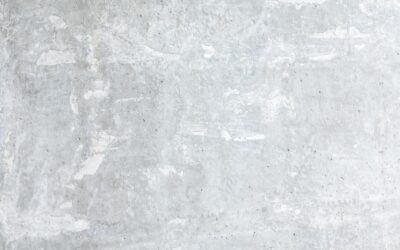
Concrete tile has moved well beyond industrial lofts and is now a mainstream choice for floors, walls, patios, and even kitchen backsplashes. Made from a cement-and-aggregate mix that is cast, cured, and often pigmented, it offers the raw, modern look of poured concrete with the practicality of individual tiles you can replace one at a time. Done right, a concrete tile floor lasts for decades. Done without sealing, it stains and dusts. Understanding the trade-offs is the key to a result you will love.
Part of our Tile & Grout guide — explore the full guide →
What Concrete Tile Is Made Of
Most concrete tiles are a blend of Portland cement, fine sand, aggregate, and water, sometimes with pigments or polymers added for color and strength. There are two broad families. Cement body tiles are solid color all the way through, so chips are far less noticeable. Encaustic cement tiles have a colored top layer with patterns pressed in, prized for their handmade Spanish and Moroccan-style designs. Both are denser and heavier than ceramic, which is something to consider for upstairs installations.
Where Concrete Tile Works Best
Because it is tough and naturally textured, concrete tile suits high-traffic and indoor-outdoor spaces. It shines in entryways, kitchens, mudrooms, covered patios, and bathrooms. The slightly rough surface of many concrete tiles also provides better slip resistance than polished porcelain, which makes it a smart pick for wet areas and pool surrounds.
- Floors: Excellent durability, but seal thoroughly and reseal periodically.
- Walls and backsplashes: Encaustic patterns add a dramatic focal point.
- Patios and outdoor steps: Frost-rated concrete tiles handle freeze-thaw if installed correctly.
- Showers: Possible, but demands meticulous sealing because cement is porous.
The Big Caveat: Porosity and Sealing
Concrete is naturally porous, and unsealed tiles absorb water, oil, wine, and coffee almost instantly. This is the number one mistake homeowners make. Before grouting, most cement and encaustic tiles need a penetrating sealer, and many require a second coat after grouting. Plan to reseal floor tiles every one to three years depending on traffic, using a quality penetrating or topical sealer rated for cement surfaces. Skip this step and you will be living with permanent stains.
Test for resealing by dripping water on the tile. If it beads, the seal is intact. If it soaks in and darkens the tile, it is time to reseal.
Installation Notes
Concrete tiles are heavy and often slightly irregular in size, especially handmade encaustic styles. This calls for a flat, rigid substrate and a polymer-modified thinset rated for the tile’s weight. Many installers dry-lay a section first to blend color variation across boxes, because each batch can differ. Use unsanded grout with delicate encaustic patterns to avoid scratching, and seal the tiles before grouting so the cement does not absorb grout pigment and discolor.
Because of the weight, precision cutting, and sealing steps, encaustic concrete tile is one of the harder DIY tile projects. A confident DIYer can handle a small backsplash, but a full floor is often better left to a professional.
Cleaning and Maintenance
Routine care is easy once the tile is sealed. Sweep or vacuum grit, then mop with a pH-neutral cleaner. Avoid acidic cleaners like vinegar and lemon, because acid etches cement and strips sealers. Wipe spills promptly, especially oil and wine, and use mats at entries to reduce abrasive grit. A well-sealed concrete tile floor cleans up about as easily as porcelain.
Keep an eye on the seal over time, since traffic gradually wears it thin in walkways and at doorways. When the periodic water-bead test fails in those high-use areas, you can often spot-reseal just the worn zones rather than the entire floor, which saves time and product. Catching a worn seal early, before a stain sets, is the single biggest factor in keeping a concrete tile floor looking new for the long haul.
Cost Expectations
Plain cement-body tiles typically run $3 to $8 per square foot for the tile alone. Patterned encaustic cement tiles are pricier, often $8 to $25 per square foot, with premium handmade designs running higher. Add installation at roughly $7 to $15 per square foot, plus sealer and the extra labor for sealing steps. Outdoor and frost-rated tiles sit at the upper end. While not the cheapest tile option, concrete delivers a distinctive, long-lasting surface that holds its appeal for years.
Concrete Tile vs Other Tile Options
It helps to see where concrete tile sits among its competitors. Compared to porcelain, concrete offers a richer, more handmade look and better grip, but porcelain wins on water resistance and zero sealing. Compared to natural stone like limestone or travertine, concrete is more uniform and often cheaper, while stone brings unique veining. And compared to encaustic-look porcelain, which mimics cement-tile patterns, true concrete tile has more depth and texture but demands the sealing maintenance the porcelain imitator avoids entirely.
That last comparison is worth weighing carefully. If you love the cement-tile pattern but dread the upkeep, an encaustic-look porcelain gives you most of the look with far less work. If you want the genuine material character and are willing to seal it, real concrete tile is the authentic choice.
Design Ideas
Concrete tile lends itself to bold, graphic statements. A patterned encaustic floor in an entryway or powder room creates an instant focal point, while a solid cement-body tile in a soft gray suits a minimalist, industrial kitchen. Many homeowners use patterned concrete tile as a rug-like inset in a larger field of plain tile or wood, framing a dining nook or hearth. On walls, a concrete tile backsplash adds texture behind a range, and outdoors the same tile can flow from an interior kitchen onto a covered patio for a seamless indoor-outdoor connection.
Final Thoughts
Concrete tile rewards homeowners who understand its one demand: it must be sealed and resealed. Commit to that, choose a frost-rated product for outdoor use, and lean on a pro for large or patterned installations. Weigh it honestly against low-maintenance porcelain before you buy, but if you want genuine texture and character, the payoff is a richly textured, durable surface with the modern character of concrete and the easy repairability of individual tiles.