When homeowners look up at faded, streaky shingles and wonder whether a few gallons of paint could buy them another decade, the question is always the same: can you paint roof shingles instead of paying for a full replacement? The honest answer is that it depends entirely on the shingle material, and for the most common asphalt shingles the answer is a heavily qualified “not really recommended.” Paint solves the wrong problem in most cases, and I want you to understand why before you rent a sprayer.
Part of our Roofing guide — explore the full guide →
Roof color fading is usually cosmetic, while the reasons a roof actually needs attention, granule loss, curling, brittleness, are structural. Paint can mask the first and does nothing for the second. Let us break down what is actually possible by material.
- Asphalt Shingles: Technically Possible, Rarely Wise
- Metal Roofs: The Best Candidate by Far
- Concrete and Clay Tile: Yes, With the Right Product
- Wood Shakes: Stain, Do Not Paint
- Products, Costs, and Process for Paintable Roofs
- How Long a Roof Coating Lasts
- Cheaper Alternatives to Painting
- Safety and When to Call a Pro
- Why Roofs Fade in the First Place
- The Bottom Line
Asphalt Shingles: Technically Possible, Rarely Wise
Asphalt shingles are the most common roof in America and the worst candidate for painting. They are engineered with mineral granules embedded in the surface that protect the asphalt from UV damage. Those granules are the shingle’s sunscreen and its texture. Coating them with paint can trap heat, clog the granule surface, and in some cases accelerate the very deterioration you are trying to hide.
There is also a warranty problem. Most asphalt shingle manufacturers explicitly void their material warranty the moment you apply a coating not approved by them. If your roof is 12 years into a 25-year warranty and you paint it, you may forfeit any claim on a defect. For asphalt, painting almost never pencils out; if the roof looks that tired, it is usually near the end of its service life anyway.
Metal Roofs: The Best Candidate by Far
Metal roofs are a completely different story. Painting a steel or aluminum roof is a legitimate, common maintenance practice that can add 10 to 15 years of life while refreshing the color. The metal has no granules to clog, and a proper acrylic or elastomeric roof coating actually protects the panels from rust and reflects heat.
The process matters: clean off all rust and chalking, treat bare metal with a rust-inhibiting primer, then apply two coats of a coating rated for metal roofing. Done correctly, a repainted metal roof looks new and performs beautifully. If you have a metal roof, painting is not just possible, it is smart preventive care.
Concrete and Clay Tile: Yes, With the Right Product
Concrete tile roofs can be painted or, more accurately, coated, and it is a recognized way to restore faded tiles and extend their appearance. Use a breathable, water-based acrylic roof coating specifically formulated for concrete tile so trapped moisture can still escape. Pressure-wash first, prime porous or previously coated tiles, then spray two coats.
Clay tile is trickier. True terra-cotta clay is fired with the color throughout, so it does not fade the way concrete does, and paint tends to peel off the dense, glazed surface over time. I generally leave genuine clay tile alone unless a specialty ceramic coating is used by a pro.
Wood Shakes: Stain, Do Not Paint
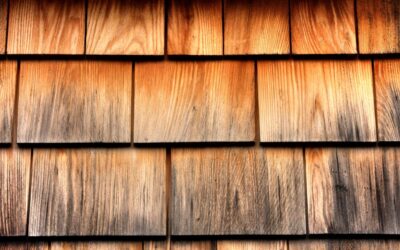
Cedar shakes and shingles should be stained or treated, never painted with film-forming paint. Wood needs to breathe and shed moisture; a solid paint film traps water underneath and causes the wood to rot and the paint to peel in sheets within a couple of seasons. A penetrating semi-transparent stain or a wood-preservative treatment refreshes the color while letting the shakes dry out naturally.
Products, Costs, and Process for Paintable Roofs
If you have a paintable roof, metal, concrete tile, use a product built for the job, not wall paint. Look for 100 percent acrylic roof coatings or elastomeric coatings, which run $30 to $80 per 5-gallon bucket and cover roughly 100 to 200 square feet per gallon depending on surface porosity. Elastomeric coatings add waterproofing and reflectivity that can lower attic temperatures.
- Clean: pressure-wash to remove dirt, moss, chalking, and loose material; let dry 24–48 hours.
- Repair: replace cracked tiles, treat rust, seal any gaps.
- Prime: use the primer specified for your surface, especially bare metal or porous tile.
- Coat: apply two coats with an airless sprayer in dry weather above 50°F, with no rain forecast for 24–48 hours.
Expect a professional roof coating job to run $1 to $3 per square foot for metal or tile. On a 2,000-square-foot roof that is $2,000 to $6,000, meaningfully less than a full replacement, which makes coating attractive for roofs that are still structurally sound.
How Long a Roof Coating Lasts
A properly applied coating is not permanent, and setting expectations up front saves disappointment. On a metal roof, a quality acrylic or elastomeric coating typically holds up 10 to 15 years before it needs a refresh, with the reflective, rust-inhibiting benefits lasting the same span. On concrete tile, expect roughly 7 to 12 years depending on sun exposure, slope, and how well the tiles were prepped.
The single biggest factor in longevity is surface preparation. A coating applied over dirty, chalky, or damp tile will peel within a couple of seasons no matter how good the product is. Pressure-washing, letting the surface fully dry, and priming porous or previously coated areas are what separate a 12-year job from a 2-year embarrassment. Do not rush the prep to get to the fun spraying part.
Cheaper Alternatives to Painting
Sometimes the real problem is not color at all but algae, that ugly black streaking on asphalt roofs is usually Gloeocapsa magma, a blue-green algae, not dirt or age. You cannot paint it away meaningfully, but you can clean it. A soft-wash treatment with a diluted sodium hypochlorite solution kills the algae and restores much of the roof’s original look for a fraction of a coating’s cost, often $250 to $600 for a professional soft wash.
Installing zinc or copper strips along the ridge afterward prevents the streaking from returning, since rain washing over the metal releases ions that inhibit algae growth. For a faded but structurally sound asphalt roof, cleaning plus zinc strips is almost always the smarter, safer, and cheaper move than trying to paint shingles that were never meant to be coated.
Safety and When to Call a Pro
Roof work is genuinely dangerous. Falls from roofs send tens of thousands of people to emergency rooms every year. If your roof pitch is steeper than about 6:12, if it is two stories up, or if the surface is slick, hire a licensed roofer or coating contractor. The savings from DIY evaporate fast against a hospital bill.
Why Roofs Fade in the First Place
Understanding why a roof loses its color helps you decide whether paint is even addressing the right problem. Asphalt shingles fade because UV radiation slowly breaks down the surface and the protective granules wear away, exposing the darker asphalt beneath in uneven patches. That granule loss is functional wear, not just cosmetic, and painting over it does nothing to replace the lost UV protection the granules provided.
Metal and tile roofs fade differently, their factory color coating simply chalks and dulls under years of sun, while the substrate underneath stays perfectly sound. That is precisely why coating those roofs works so well: you are restoring a worn surface color on a structurally intact panel or tile. With asphalt, the fading often coincides with the shingle nearing the end of its structural life, which is the real reason painting rarely makes sense for it, you would be investing money into a roof that needs replacing, not refreshing.
The Bottom Line
So, can you paint roof shingles? For metal and concrete tile, yes, and it is a genuinely good way to extend life and refresh color with the right coating. For asphalt shingles, technically possible but rarely worth the warranty risk and the odds of accelerating wear, if they are that faded, budget for replacement instead. For clay tile and wood shakes, leave the paint in the garage and use the correct specialty product.
Before you do anything, identify your roof material and check your warranty. Match the product to the surface, prep meticulously, and stay safe up there. Get those three things right and a coating can be a smart, money-saving refresh; get them wrong and you will be reroofing sooner, not later.