Most homeowners pick a roof once or twice in a lifetime, so the decision usually gets made under pressure after a leak or a failed inspection. A clear-eyed roofing materials comparison saves you from overpaying for a product that will not survive your climate or from cutting corners on something you will replace again in twelve years. I have torn off and installed most of these systems, and the differences in cost, weight, and real-world lifespan are larger than the brochures admit.
Part of our Roofing guide — explore the full guide →
Roofing is priced by the “square,” which equals 100 square feet of roof surface. A typical 2,000-square-foot home has around 20 to 25 squares once you account for pitch and overhangs. Keep that unit in mind as we walk through each material, because it is how every contractor will quote you.
- How to Read a Roofing Materials Comparison
- Asphalt Shingles: The Default for a Reason
- Metal Roofing: Long Haul at a Premium
- Clay and Concrete Tile: Heavy but Enduring
- Slate and Wood Shakes: The Specialty Tier
- Matching the Material to Your Climate
- Putting the Numbers Side by Side
- Getting Quotes You Can Trust
How to Read a Roofing Materials Comparison
A useful roofing materials comparison weighs five things at once: installed cost per square, expected lifespan, weight per square, fire and wind ratings, and how the material behaves in your specific climate. A slate roof that lasts a century is worthless if your framing cannot carry 800 to 1,500 pounds per square. Cheap three-tab shingles look fine on the estimate until you learn they carry a 20-year warranty in a region with 100-degree summers that cook them in ten.
Labor is roughly 40 to 60 percent of any roofing bill, so material price alone never tells the story. Steep pitches above 6:12, multiple valleys, dormers, and skylights all raise labor. Get the roof measured before you compare quotes so you are not guessing at squares.
Asphalt Shingles: The Default for a Reason
Architectural (dimensional) asphalt shingles remain the most installed roof in America, and they earn it on value. Installed cost runs about $4.50 to $8.00 per square foot, or roughly $450 to $800 per square. Lifespan is 22 to 30 years for architectural shingles versus 15 to 20 for the flat three-tab kind, which I rarely recommend anymore.
They weigh 240 to 340 pounds per square, so almost any existing frame carries them without reinforcement. GAF Timberline HDZ, Owens Corning Duration, and CertainTeed Landmark are the three lines I see hold up best. In high-wind coastal zones, look for shingles rated to 130 mph and insist on a six-nail pattern instead of four. The weakness is heat: attic temperatures above 150°F accelerate granule loss, so ventilation matters as much as the shingle itself.
Metal Roofing: Long Haul at a Premium
Standing-seam metal has moved from farm buildings to suburban roofs because it lasts 40 to 70 years and sheds snow, rain, and embers. Expect $9 to $16 per square foot installed for standing seam, or $6 to $12 for exposed-fastener corrugated panels. Steel is the common choice at 24 or 26 gauge; aluminum resists salt corrosion better near the coast.
Metal is light at 50 to 150 pounds per square, which makes it a candidate for overlaying an old roof in some jurisdictions. It reflects solar heat and can cut summer cooling loads by 10 to 25 percent when finished with a reflective coating. The trade-offs are noise on the low end of the market, oil-canning (visible waviness) if panels are cheap, and a real need for experienced installers, since a bad seam leaks for decades.
Clay and Concrete Tile: Heavy but Enduring
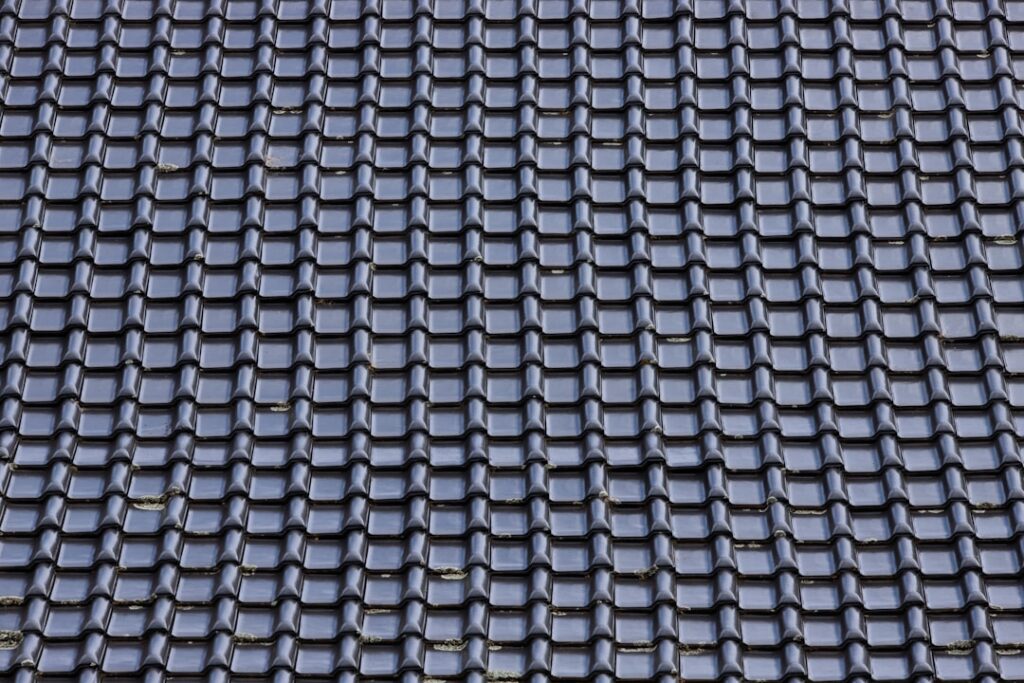
Clay and concrete tile dominate the Southwest and hot coastal regions for good reason: they handle relentless sun, carry Class A fire ratings, and last 50 years or more. Installed cost is $10 to $20 per square foot for concrete and $12 to $25 for genuine clay. The catch is weight, 600 to 1,100 pounds per square, which frequently requires an engineer to confirm the structure or add framing.
Tile does not rot, but the felt or membrane underneath it does, and that underlayment usually needs replacing at the 25- to 30-year mark even though the tiles themselves survive. Budget for that mid-life service. Individual tiles crack under foot traffic, so keep a stack of spares from the original run for repairs.
Slate and Wood Shakes: The Specialty Tier
Natural slate is the longest-lived roof you can buy, easily 75 to 150 years, but it is also the most expensive at $15 to $30 per square foot installed and the heaviest at 800 to 1,500 pounds per square. It is a genuine investment that outlives most owners, and it demands a crew that specializes in it. Few roofers do.
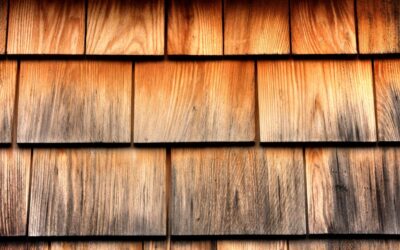
Cedar shakes bring a warm, textured look at $8 to $14 per square foot and last 25 to 40 years with maintenance. They are vulnerable to fire, mold, and insects, so many wildfire-prone counties now restrict them or require Class B treated shakes. If you love the look but live in a dry region, a treated product is the only responsible route.
Matching the Material to Your Climate
Climate should drive the shortlist more than curb appeal. In the hurricane belt, prioritize wind ratings and impact resistance; metal and quality architectural shingles both perform well when fastened correctly. In snow country, a slick metal roof shedding load is a feature, but you will need snow guards over doorways and walkways. In wildfire zones, stick to Class A fire ratings, which rules out untreated wood.
Hot, sunny regions reward reflective metal and tile that tolerate thermal cycling. Humid climates punish organic materials, so ventilation and algae-resistant shingles (look for copper or zinc granules) pay off. Match the roof to the weather it actually faces, and the rest of the decision gets simple.
Putting the Numbers Side by Side
| Material | Installed $/sq ft | Lifespan | Weight/square |
|---|---|---|---|
| Architectural asphalt | $4.50–$8 | 22–30 yrs | 240–340 lb |
| Standing-seam metal | $9–$16 | 40–70 yrs | 50–150 lb |
| Concrete/clay tile | $10–$25 | 50+ yrs | 600–1,100 lb |
| Natural slate | $15–$30 | 75–150 yrs | 800–1,500 lb |
| Cedar shakes | $8–$14 | 25–40 yrs | 200–300 lb |
Run those figures against how long you plan to own the home. If you are moving in seven years, a quality asphalt roof returns the most on resale. If this is your forever house, metal or tile lowers your lifetime cost per year despite the higher ticket.
Getting Quotes You Can Trust
Ask every roofer for the tear-off scope, the underlayment product, the ventilation plan, and the flashing details in writing. Cheap bids usually hide in those four items. A reputable contractor replaces pipe boots, step flashing, and drip edge rather than reusing old metal, and they specify synthetic underlayment plus ice-and-water shield in valleys and along eaves in cold climates.
Collect at least three estimates, verify the manufacturer certification for whatever material you choose, and confirm both the material warranty and the separate workmanship warranty. A solid roofing materials comparison only pays off when the installation matches the quality of the product you selected, so treat the crew’s reputation as part of the material spec, not an afterthought.
The roof you see is only the top of a system, and the layers beneath it decide how long that surface actually lasts. Underlayment is the water barrier that protects the deck if wind drives rain past the shingles. Synthetic underlayment has largely replaced old felt paper because it resists tearing and lays flatter, and in cold climates a self-adhering ice-and-water shield along the eaves and in every valley guards against the ice dams that back water uphill under the shingles. Skimping here is invisible on install day and catastrophic five winters later.
Attic ventilation is the quietest determinant of roof lifespan. A roof that cannot breathe traps heat and moisture, cooking asphalt shingles from below and rotting the decking. A balanced system pairs intake vents at the soffits with exhaust at the ridge, moving air continuously so the attic stays close to outdoor temperature. Ask any roofer how they will achieve balanced ventilation; a vague answer is a red flag, because even a premium shingle fails early over a superheated attic.
Flashing is where most leaks actually begin, not in the field of the roof. The metal at chimneys, skylights, sidewalls, and valleys channels water away from the vulnerable seams, and reused or poorly formed flashing is the number one source of callbacks. A quality installation replaces step flashing at walls, uses proper counterflashing at masonry, and never relies on a bead of caulk to do a metal flashing’s job. When you compare bids, the one that itemizes new flashing is usually the one that will not leak.
Season affects both price and quality. Asphalt shingles seal best in mild temperatures between roughly 45 and 85°F, when the adhesive strips activate in the sun; roofing in freezing weather risks shingles that never bond and blow off in the first windstorm. Late spring and early fall are ideal, and they are also the busy season, so book early. Most jurisdictions require a permit for a tear-off and reroof, and a legitimate contractor pulls it in their name and schedules the required inspection rather than leaving that liability on you.
Plan for the disruption a reroof brings. A typical home takes one to three days once the crew starts, and the work is loud with debris falling all around the house, so move vehicles out of the driveway and cover items in the attic and garage against dust that shakes loose. Confirm how the crew protects landscaping and how they handle cleanup, including a magnetic sweep for the thousands of nails that end up in the yard. A roof is a major purchase, and matching the right material to your climate, budget, and timeline, then hiring a crew that respects the hidden layers, is what turns that spend into decades of protection.