The roof over your head is the single most important weather barrier your house has, and yet most homeowners pick shingles based on whatever the last owner used. Understanding the different types of roof shingles can save you thousands over the life of the roof, because the cheapest option up front is rarely the cheapest per year of service. I have torn off three-tab asphalt that failed at 14 years and slate that outlived the people who installed it, so the spread is enormous.
Part of our Roofing guide — explore the full guide →
This guide walks through the major shingle categories, what each one costs, how long it lasts, and where each makes sense, so you can weigh the trade-offs instead of defaulting to the standard gray asphalt.
The Different Types of Roof Shingles at a Glance
When people ask about the different types of roof shingles, they are usually weighing five main families: asphalt (three-tab and architectural), metal, wood shakes and shingles, slate, and synthetic composite. Each differs in weight, lifespan, cost, fire rating, and the roof slope it can go on. The right pick depends on your climate, budget, how long you plan to stay, and what your home’s structure can carry, since slate and tile weigh far more than asphalt.
Here is a quick comparison of typical lifespan and installed cost per square (100 square feet):
- Three-tab asphalt: 15 to 20 years, $350 to $550 per square.
- Architectural asphalt: 25 to 30 years, $450 to $750 per square.
- Metal: 40 to 70 years, $900 to $1,600 per square.
- Wood shakes: 25 to 40 years, $800 to $1,400 per square.
- Slate: 75 to 150 years, $1,500 to $3,000 per square.
- Synthetic composite: 40 to 50 years, $900 to $1,500 per square.
Asphalt Shingles: The Default for Good Reason
Asphalt covers roughly 75 percent of American homes because it is affordable, easy to install, and widely available. Three-tab shingles are the flat, uniform, budget option; they are light and cheap but the thinnest and shortest-lived. Architectural, or dimensional, shingles use two bonded layers for a thicker, more textured look and carry longer warranties, often 30 to 50 years, along with better wind ratings up to 130 mph.
For most homeowners replacing a roof, architectural asphalt is the value sweet spot. It costs only slightly more than three-tab but lasts noticeably longer and looks far better. Reserve three-tab for rentals or tight-budget jobs where you accept a shorter service life.
Metal Roofing: Longevity and Efficiency
Metal has moved from barns to mainstream homes, and for good reason. Standing-seam panels and metal shingles last 40 to 70 years, shed snow, resist fire, and reflect solar heat, which can trim cooling costs in hot climates. Metal is light enough to install over some existing roofs and comes in steel, aluminum, and premium copper or zinc.
The trade-offs are higher upfront cost and the need for an installer who knows how to detail the seams and fasteners correctly. Done wrong, metal leaks at penetrations; done right, it is close to a lifetime roof. In hail-prone regions, choose a thicker gauge and a textured finish, since thin panels can dent.
Wood Shakes and Shingles
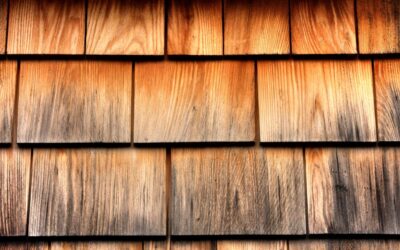
Cedar shakes give a home a warm, rustic character that no asphalt product truly matches. Shakes are hand-split for a thick, irregular texture; shingles are sawn for a cleaner, tailored look. Both offer decent insulation value and last 25 to 40 years with maintenance.
The catch is upkeep and fire. Wood needs periodic treatment against rot, mold, and insects, and untreated wood is a fire risk that some jurisdictions ban outright in wildfire zones. If you love the look, specify Class A fire-treated shakes and budget for regular maintenance, or consider a synthetic that mimics the appearance.
Slate and Tile: The Century Roofs
Natural slate is the aristocrat of roofing, with a lifespan measured in generations, often 75 to 150 years, plus outstanding fire and weather resistance. Clay and concrete tile deliver similar longevity and a distinctive Mediterranean or Spanish look common in the Southwest.
The obstacles are weight and cost. Slate and tile are heavy enough that many homes need structural reinforcement of the framing before installation, adding to an already high price. They also demand specialized installers. But for a historic home or a forever house, few roofs are more permanent or more striking.
Synthetic and Composite Shingles
Composite shingles are the modern compromise, engineered from polymers and sometimes recycled materials to mimic slate, shake, or tile at a fraction of the weight and cost. Brands like DaVinci and Brava produce products that fool the eye from the ground while installing like standard shingles and carrying 40 to 50 year warranties.
They resist impact, fire, and moisture, and they do not need the maintenance real wood does. The downside is that quality varies widely between manufacturers, so stick with established brands and verify the fire and impact ratings rather than trusting a generic “composite” label.
Choosing the Right Shingle for Your Home
Start with three questions: what is your climate, how long will you own the home, and what can your structure and budget bear. In hail or hurricane country, prioritize wind and impact ratings; architectural asphalt or metal usually wins. In wildfire zones, favor Class A metal, slate, tile, or fire-rated composite. If you are staying decades, the higher upfront cost of metal or composite amortizes into a lower annual cost than replacing asphalt twice.
Whatever you choose among the different types of roof shingles, quality installation and proper attic ventilation matter as much as the material. A premium shingle over a poorly vented deck will still fail early, so hire a contractor who details the flashing, underlayment, and ventilation correctly and backs the workmanship in writing.
Climate and Shingle Performance
Where you live should steer the decision as much as budget. In hot southern and southwestern climates, dark asphalt bakes and ages faster, so lighter “cool roof” shingles or reflective metal and tile lower attic temperatures and cut cooling bills. In the Southwest specifically, clay and concrete tile shrug off intense UV and last for generations.
In cold, snowy northern climates, watch for ice dams; a durable underlayment and proper ventilation matter more than the shingle brand, and metal sheds snow better than most. In hurricane-prone coastal areas, wind rating is everything, so look for shingles rated to 130 mph and consider metal or tile that resists uplift. In wildfire zones across the West, prioritize Class A fire ratings and avoid untreated wood entirely. Matching the material to your regional weather is often the difference between a roof that reaches its rated lifespan and one that fails a decade early.
Warranties and What They Actually Cover
Shingle warranties sound reassuring but are widely misunderstood. A “lifetime” or 50-year rating usually covers only manufacturing defects in the material itself, and the coverage is prorated, so the payout shrinks steeply after the first 10 to 15 years. Wind and algae resistance often carry separate, shorter terms that require specific installation methods to stay valid.
The more important protection is the contractor’s workmanship warranty, because the overwhelming majority of roof leaks trace to installation errors, not defective shingles, and the material warranty does not cover labor mistakes. Look for a roofer who offers at least a 5- to 10-year workmanship guarantee, and consider a manufacturer-certified installer, since some brands offer enhanced system warranties only when a certified crew installs the full system of shingles, underlayment, and ventilation. Read the fine print on any warranty, keep your paperwork, and understand that proper installation and ventilation, not the warranty length printed on the wrapper, are what truly determine how long the roof lasts.
Curb appeal and resale value deserve a place in the decision too. The roof is one of the largest visible surfaces on a house, and its color and texture set the tone for the whole exterior. Architectural asphalt in a dimensional pattern reads as an upgrade over flat three-tab and comes in shades that complement most siding. Metal, slate, and quality composite carry a premium look that can lift a home’s perceived value, particularly in neighborhoods where those materials are common. If you plan to sell within a few years, a fresh, attractive roof in a mainstream material often pays back a significant share of its cost at closing and speeds the sale.
Weigh all of these factors together rather than fixating on any single one. The cheapest shingle is rarely the cheapest choice per year of service once you account for lifespan, and the most expensive is not always necessary for your climate or how long you will own the home. Line up your budget, your local weather, your roof’s structure, and your timeline, then choose among the different types of roof shingles the material that balances those realities. Pair that choice with a reputable installer and proper ventilation, and the roof will protect the house exactly as long as it should.