The pitch of your roof decides more about your project than the color of the shingles ever will. Steep slope roofing is defined by building code as any roof with a slope of 3/12 or greater, meaning it rises at least 3 inches for every 12 inches of horizontal run, and that threshold is where lapped, water-shedding materials like shingles are designed to work. Above it you get a whole different world of material choices, installation methods, safety requirements, and cost than you would on a flat commercial roof. Understanding what steep-slope means, and what it demands, helps you choose the right system and avoid nasty surprises on the estimate.
Part of our Roofing guide — explore the full guide →
Here is what qualifies as steep slope, the materials it unlocks, and the practical factors that drive the price.
What Counts as Steep Slope
By the code definition, steep-slope roofing begins at a 3/12 pitch. Below that line, at 2/12 and flatter, you are in low-slope territory that requires sealed membrane systems because water moves too slowly to shed by lapping. At 3/12 and above, gravity does the work: water and snow run off fast enough that overlapping shingles, shakes, tiles, and panels can safely keep the structure dry.
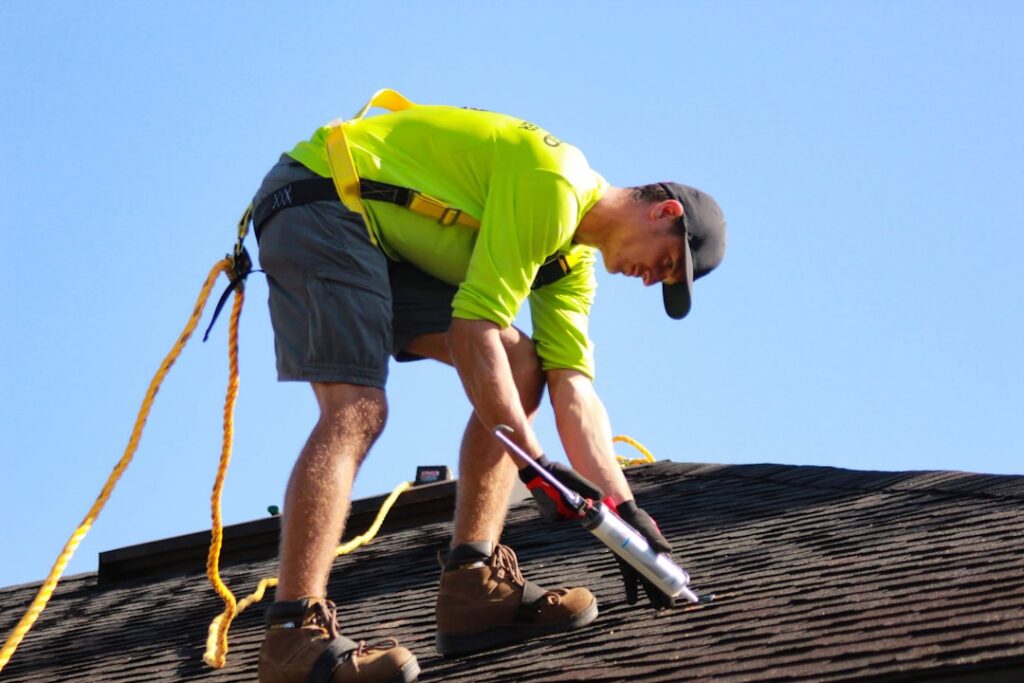
Roofers also use the word steep in a looser, hands-on sense for pitches around 8/12 and steeper, where the surface is too sharp to stand on and crews need harnesses and staging. So keep both meanings in mind. Code says steep starts at 3/12, but the labor and safety picture changes dramatically once you pass roughly 8/12.
Asphalt Shingles
Asphalt is the default steep-slope material in America for good reason. Three-tab and architectural (dimensional) shingles are affordable, widely available, and rated for any pitch from 4/12 up with standard application, or down to 2/12 with a doubled underlayment. Installed cost typically runs $4.50 to $8 per square foot, or about $450 to $800 per roofing square, which is the 100-square-foot unit roofers price by.
Architectural shingles cost a bit more than three-tabs but last 25 to 30 years and carry better wind ratings, up to 110 to 130 mph. On a steep, visible roof their thicker, shadowed profile looks far richer than flat three-tabs, which is why most homeowners now choose them.
Metal Roofing
Metal shines on steep slopes because it sheds snow and water instantly and lasts 40 to 70 years. Standing-seam panels, with their raised, concealed-fastener seams, are the premium choice and run about $9 to $16 per square foot installed. Exposed-fastener corrugated or ribbed metal is cheaper, roughly $6 to $12 per square foot, and popular on rural and farmhouse-style homes.
Metal is lightweight, fire-resistant, and reflective enough to cut summer cooling loads, but it demands experienced installers to flash it correctly and control expansion. On a steep pitch, the way a standing-seam roof throws light across its long vertical lines can transform a home’s whole look.
Tile and Slate
For steep, high-end roofs, clay tile, concrete tile, and natural slate deliver a lifespan measured in generations. Concrete tile runs about $10 to $18 per square foot installed, clay tile $12 to $25, and genuine slate $15 to $30 or more. These materials thrive on steeper pitches, generally 4/12 and up, because fast drainage keeps water from lingering and freezing.
The catch is weight. Clay and concrete tile weigh 600 to 1,100 pounds per square, and slate can top 800 pounds, so the roof structure often needs reinforcement to carry the load. When the framing supports it, though, a tile or slate roof can last 75 to 100 years, easily outliving several shingle roofs.
Wood Shakes and Synthetic Options
Beyond the mainstream materials, steep roofs open the door to a few specialty products. Cedar shakes and shingles bring a warm, rustic look and perform well on pitches of 4/12 and up, running about $8 to $14 per square foot installed. They demand maintenance and carry fire-rating concerns in wildfire zones, but on a steep cottage or craftsman roof they are hard to match visually.
Synthetic slate and shake, molded from polymer or rubber composites, mimic the premium look at roughly $9 to $16 per square foot while weighing a fraction of real stone, so they often install without structural reinforcement. They resist impact and fire, carry 40- to 50-year warranties, and are a smart middle path for homeowners who want the steep-roof aesthetic of slate without the weight or the price. On a dramatic pitch where the roof is a design centerpiece, these synthetics deliver curb appeal at a manageable cost.
Cost Factors Unique to Steep Roofs
Steep-slope pricing has moving parts that a low roof never triggers, and understanding them helps you read a bid. The big drivers are:
- Surface area: a steep roof covers far more square footage than the building footprint, so a 12/12 roof has dramatically more area to cover than a 4/12 over the same house
- Steep-pitch labor surcharge: often 20 to 50 percent added on pitches above 8/12
- Safety equipment: roof jacks, harnesses, staging, and scaffolding all add cost
- Material waste: more cuts around a complex, tall roof mean higher waste factors
- Access and staging: getting materials up a tall, steep roof is slower and needs more manpower
When you compare estimates on a steep roof, look past the headline number to how each contractor handles fall protection and staging, because a suspiciously cheap bid usually means someone is skipping the safety rigging that keeps the crew alive and the job legal.
Underlayment and Flashing on Steep Roofs
Steep does not mean maintenance-free. Every steep-slope system relies on a continuous underlayment, either felt or a synthetic sheet, plus self-adhering ice-and-water shield along the eaves, in the valleys, and around penetrations. In snow country, code often requires ice-and-water membrane extending at least 24 inches inside the exterior wall line to guard against ice dams.
Flashing is where steep roofs live or die. Valleys, chimneys, skylights, sidewalls, and vent pipes all need properly integrated metal flashing, because the fast-moving water on a steep pitch will find any gap. A steep roof that leaks almost always leaks at a flashing detail, not in the open field of shingles.
Safety, Access, and Labor
The steeper the roof, the more the job costs to install, and safety is the reason. Below about 6/12, crews can usually walk the roof with normal caution. From 7/12 to 9/12 they start needing roof jacks, toe boards, and harnesses. Past 9/12 or 10/12, the roof is effectively unwalkable and requires full staging, scaffolding, and fall-arrest systems for every worker.
Contractors bake this into the estimate as a steep-pitch surcharge, often adding 20 to 50 percent to the labor on pitches above 8/12. The work goes slower, materials are harder to move up, and OSHA fall protection is mandatory. When you compare bids on a steep roof, expect and accept that the labor line is higher than on a walkable one.
Choosing the Right System for Your Pitch
Match the material to both the slope and the budget. For a conventional 4/12 to 8/12 home, architectural asphalt shingles give you the best value, while metal is the upgrade for longevity and snow shedding. On dramatic 10/12-plus roofs where the surface is a major design feature, tile and slate justify their cost by lasting a lifetime and looking the part.
Always confirm your actual pitch before you shop, since it dictates which products are even eligible, and get at least three itemized bids that spell out the underlayment, flashing, and any steep-pitch surcharge. Ask each contractor how they will handle fall protection and staging, because a bid that ignores safety is either incomplete or cutting a dangerous corner, and either way it is not comparable to the others. Confirm the warranty terms too, both the manufacturer’s material coverage and the installer’s workmanship guarantee, since on a steep roof you do not want to be back up there fixing avoidable mistakes.
Well-chosen steep slope roofing sheds weather aggressively, lasts for decades, and, on the right house, becomes the feature everyone notices first. Spend the time up front to match the material to your pitch, climate, and budget, and the roof will reward you with a generation of dry, low-maintenance protection.