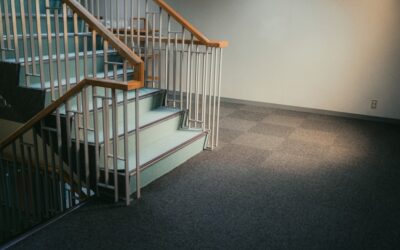
Premium carpet is what separates a floor that feels soft and looks flawless for fifteen years from a bargain roll that mats down and shows traffic lanes within eighteen months. After walking countless homeowners through carpet showrooms, I can tell you the difference is not just marketing. Premium carpet is built with higher-grade fibers, denser construction, better stain protection, and superior padding, and every one of those factors compounds into comfort, appearance retention, and longevity. If you are investing in new flooring, understanding what actually makes a carpet premium helps you spend your money where it counts.
This guide covers the fibers, construction details, styles, padding, and real-world costs of premium carpet, plus how to protect the investment once it is installed.
What Makes a Carpet Premium
Premium carpet is defined by a handful of measurable specifications, not just a higher price tag. The two most important are face weight and density. Face weight measures the ounces of fiber per square yard; premium carpets typically run 50 ounces or higher, versus 30 to 40 for builder-grade. Density measures how tightly the fibers are packed; the closer the tufts, the better the carpet resists crushing and matting underfoot.
A quick test at the showroom tells you a lot. Bend a carpet sample backward. If you can easily see the backing through the fibers, the carpet is low-density and will wear quickly. On a premium sample, the fibers are packed so tight that the backing barely shows. That density, combined with quality fiber and a strong twist, is the real engine behind a carpet that looks new for years.
Premium Carpet Fibers Compared
Fiber choice drives both feel and performance, and premium lines exist within each fiber type. Understanding the options helps you match the carpet to the room.
- Nylon: The gold standard for durability and resilience. Premium nylon springs back from foot traffic and resists crushing better than any other synthetic, making it ideal for stairs, hallways, and busy living areas.
- Triexta (SmartStrand): A newer fiber with excellent built-in stain resistance and a soft hand, engineered so the stain protection is part of the fiber rather than a topical treatment that wears off.
- Wool: The natural luxury fiber. Premium wool is soft, naturally flame- and soil-resistant, and beautiful, though it costs more and needs careful maintenance.
- Polyester (PET): Offers rich color and softness at a lower price. Premium polyester with high density performs well in moderate-traffic bedrooms, though it is less resilient than nylon.
For most homes, premium nylon or triexta hits the sweet spot of durability, stain resistance, and comfort. Reserve wool for formal spaces and budget-friendly polyester for lower-traffic bedrooms.
Carpet Styles and Textures
Beyond fiber, the way the carpet is constructed determines its look and how it wears. Premium options are available in every style.
Plush and Saxony
Cut-pile carpets with a smooth, luxurious surface. They feel wonderful underfoot but show footprints and vacuum marks, making them best for formal rooms and low-traffic bedrooms.
Frieze and Textured
Fibers with a tight twist that curl slightly, hiding footprints and traffic patterns. This is the most practical premium style for family rooms and busy households because it masks wear so well.
Berber and Loop
Uncut loops that create a dense, durable surface. Premium loop carpets are extremely tough and hide dirt, ideal for high-traffic areas, though households with pets should choose smaller loops to avoid snags.
Pattern and Cut-Loop
Combinations of cut and looped fibers that create texture and visual interest. Premium versions add a designer look while still holding up to daily use.
Do Not Overlook the Padding
Homeowners spend hours choosing carpet and thirty seconds on padding, and that is a mistake. The pad underneath is what protects the carpet fibers from crushing and dramatically extends its life. A premium carpet installed over cheap thin padding will wear out years early, and many manufacturer warranties are voided if the specified pad is not used.
For premium carpet, look for padding around 8-pound density and roughly 7/16-inch to 1/2-inch thickness for most residential rooms. Denser pad, not just thicker pad, is what supports the fibers. On stairs, use a firmer, denser pad so the carpet does not stretch and buckle. Upgrading the padding is one of the least expensive ways to make a good carpet perform like a great one.
What Premium Carpet Costs
Premium carpet is priced per square foot, and total cost includes material, padding, and installation. Expect premium carpet material to run roughly $4 to $8 per sq ft, with luxury wool and designer lines reaching $10 to $15 per sq ft or more. Add padding at about $0.50 to $1.50 per sq ft and professional installation at $1 to $2 per sq ft.
For a 300 sq ft room, a realistic installed budget for premium carpet lands between roughly $1,800 and $3,500, depending on fiber and style. While that is more than builder-grade, the longer lifespan and better appearance retention often make premium the better value per year of use. Always get itemized quotes that separate carpet, pad, and labor so you can compare fairly and confirm which pad is included.
Protecting Your Investment
Premium carpet rewards good care with years of like-new appearance. A consistent maintenance routine is the difference between a carpet that lasts a decade and one that lasts two.
- Vacuum regularly: Vacuum high-traffic areas twice a week to remove the gritty soil that abrades fibers from within.
- Treat spills immediately: Blot, never rub, and use a cleaner approved for your fiber type. Prompt action prevents most stains from setting.
- Professional cleaning: Have the carpet hot-water extracted every 12 to 18 months, which many warranties require to stay valid.
- Use entry mats: Trap dirt at doorways before it reaches the carpet.
- Rotate furniture: Shift heavy pieces occasionally to even out wear and avoid permanent crushing.
Keep your purchase paperwork and warranty documentation on file, since honoring most premium warranties requires proof of correct padding and periodic professional cleaning.
Where Premium Carpet Makes the Biggest Difference
You do not have to install premium carpet everywhere to get the benefit. Spending strategically puts your money where wear and comfort matter most. Stairs are the single hardest-working surface in any carpeted home, taking concentrated foot traffic on every tread and nosing; premium nylon with a firm, dense pad here pays for itself in appearance retention. Hallways and family rooms are close behind, since traffic funnels through them daily.
Bedrooms, by contrast, see gentle use, so a mid-density premium polyester delivers plenty of softness and color without the cost of top-tier nylon. Formal living and dining rooms that rarely see heavy traffic are good candidates for a plush or Saxony style where the luxurious look outweighs the need for maximum durability. Matching the grade of carpet to the demands of each room is how experienced buyers stretch a flooring budget without sacrificing where it counts.
Common Mistakes to Avoid
A few recurring errors undermine an otherwise smart carpet purchase, and all of them are easy to sidestep once you know to watch for them.
- Judging by softness alone. A carpet can feel plush in the showroom yet be low-density and prone to matting. Always check density by bending the sample.
- Skimping on the pad. Pairing premium carpet with cheap padding wastes the investment and can void the warranty.
- Ignoring the twist and warranty ratings. Higher twist numbers and longer wear warranties signal better appearance retention.
- Choosing the wrong style for the room. A smooth plush in a busy hallway will show traffic lanes fast; a frieze or loop hides them.
- Forgetting about the fiber for pets. Households with pets should favor stain-resistant triexta or solution-dyed nylon and avoid large loops that snag claws.
Slow down at the showroom, ask for the specifications in writing, and match the product to how the room actually gets used. That discipline is what turns a premium price into premium value.
Is Premium Carpet Worth It?
For most homeowners, the answer is yes, particularly in bedrooms, living rooms, and stairs where comfort and appearance matter and traffic is real. Premium carpet feels dramatically better underfoot, holds its look far longer, resists stains more effectively, and often comes with stronger warranties. When you divide the higher upfront cost across the extra years of service, premium frequently ends up cheaper per year than replacing bargain carpet twice.
Focus your budget on density and fiber quality, insist on the proper padding, and commit to routine maintenance. Do those three things and premium carpet delivers a soft, quiet, good-looking floor that continues to feel like a luxury long after installation day.