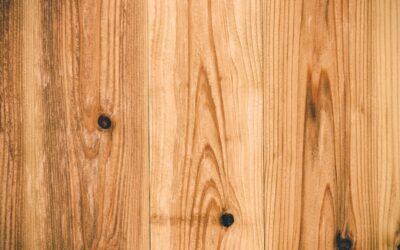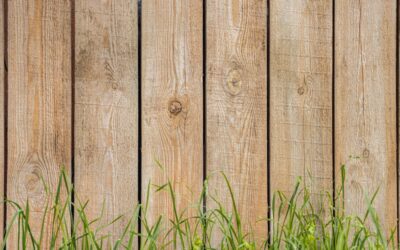
Fresh lumber from the treated rack often feels cool, heavy and damp, and for good reason. It has just been soaked with a water-based preservative under pressure. Asking how long does pressure treated wood take to dry has two very different answers depending on how it was sold: standard wet treated lumber typically needs a few weeks to several months outdoors, while kiln-dried after treatment (often stamped KDAT) is ready to paint or stain within days.
Climate, board thickness, sun exposure and how the wood is stacked all shift that range. A 5/4 deck board in a sunny, dry summer may be ready in 4 to 8 weeks. A 4×4 post or 2×10 joist in a shady, humid yard can take 3 to 6 months. Rather than counting days, the reliable approach is to test the wood itself.
- How Long Does Pressure Treated Wood Take to Dry? Wet vs Kiln-Dried
- Why Drying Time Varies So Much
- The Water-Drop Test
- Using a Wood Moisture Meter
- How Long Do You Wait to Paint Treated Wood?
- Planning Your Project Around Drying Time
- Handling and Safety With Treated Lumber
- Troubleshooting Common Problems
- Costs and When to Call a Pro
- Frequently Asked Questions
Times are typical examples. The lumber tag, preservative supplier instructions and your stain or paint label govern when the wood is ready to finish.
How Long Does Pressure Treated Wood Take to Dry? Wet vs Kiln-Dried
Most treated lumber at home centers is sold wet. After the preservative is forced into the cells, the boards are bundled and shipped without further drying, so moisture content can sit well above 30 percent. Kiln-dried after treatment lumber goes back into a kiln, bringing moisture down to roughly 19 percent or lower before sale. It costs more, but it is lighter, straighter and finish-ready.
| Lumber type | Typical drying time | Ready to finish |
|---|---|---|
| Wet treated, deck boards | 4 weeks to 3 months | After passing tests |
| Wet treated, 2x and posts | 2 to 6 months | After passing tests |
| Kiln-dried after treatment | Days | Usually soon after install |
Check the end tag or stamp. Many tags list the preservative type, use category (ground contact or above ground) and whether the lumber is KDAT. If the tag says nothing about drying, assume it is wet.
Why Drying Time Varies So Much
Water leaves wood through its surfaces, mostly the ends and faces. Several conditions speed or slow that process:
- Thickness: a 1-inch board dries far faster than a 4×4 or 6×6 because moisture has less distance to travel.
- Climate: hot, dry, breezy weather can cut drying time in half compared with cool, humid or rainy seasons.
- Sun and shade: a sunny deck dries quickly, while a north-facing fence or a deck under trees lags behind.
- Airflow: boards stacked tight together or laid flat on the ground stay wet. Spaced boards and open framing dry evenly.
- Season of installation: wood installed in late fall may not dry enough to finish until the next late spring.
Installed decks generally dry from the top surface first. The underside and the joists stay damp longer, which is normal and not a reason to delay finishing the top once it tests ready.
The Water-Drop Test
The simplest test costs nothing. Sprinkle a few drops of water on several boards, ideally in sun and shade areas.
- Pick dry weather with no rain for at least a day or two.
- Sprinkle or drip water onto the face of a board.
- Watch for about 10 minutes.
- If the water beads up and sits on the surface, the wood is still too wet or the surface has mill glaze. Wait.
- If the water soaks in within about 10 minutes and darkens the wood, the surface is dry enough to accept stain or paint.
Test multiple boards and multiple spots. One plank near the house may pass while those in shade do not. Finish only when the whole surface passes, or work in sections as they dry.
Using a Wood Moisture Meter
A wood moisture meter takes the guesswork out. Pin-type meters drive two small probes into the wood and read electrical resistance, while pinless meters scan with an electromagnetic sensor. Either works for deck and fence projects, and an inexpensive model is accurate enough for this purpose.
Typical targets:
- Semi-transparent or penetrating stain: roughly 15 to 19 percent moisture content or lower.
- Solid stain and paint: roughly 12 to 15 percent or lower for best adhesion.
- Above 20 percent: too wet for most finishes; wait and recheck.
Take readings on the face of several boards, avoiding knots and ends, which read differently. Preservative chemicals can nudge readings slightly, so many people treat the meter as a guide and confirm with a water-drop test. Follow your stain manufacturer’s stated moisture limit if one is given.
How Long Do You Wait to Paint Treated Wood?
Paint is less forgiving than penetrating stain. Paint forms a film on the surface, so trapped moisture pushing outward causes blistering and peeling. For wet treated lumber, most people wait at least a few months and confirm with a meter before painting. Kiln-dried after treatment lumber can usually be primed and painted soon after installation.
Step-by-step for a sound paint job on treated wood:
- Confirm the wood passes the water-drop test and reads in the target moisture range.
- Clean the surface with a deck cleaner or mild detergent and rinse, then let it dry for 48 hours.
- Lightly sand any fuzzy grain or mill glaze with 80 to 100 grit.
- Apply an exterior primer rated for treated lumber.
- Apply two coats of exterior acrylic paint, following the label’s recoat time.
For decks, a penetrating or semi-transparent stain is often a better choice than paint on walking surfaces, since it wears gradually rather than peeling in sheets.
Planning Your Project Around Drying Time
Knowing how long does pressure treated wood take to dry lets you schedule the build and the finish as two separate jobs. Many deck builders install wet lumber in spring or early summer, then come back to stain in late summer or early fall once the boards test dry. That timing takes advantage of warm, dry weather and leaves the finish fresh going into winter.
If you build in the fall, plan to finish the following spring or summer. Wet lumber sitting through a cold, damp winter dries very little, and stain applied in November rarely penetrates well. A light cleaning in spring removes winter grime and mildew before you test and finish.
- Spring build: test in 6 to 10 weeks; finish in summer.
- Summer build: test in 4 to 8 weeks; finish in early fall.
- Fall build: finish the next late spring or summer.
- KDAT build any season: finish within days when weather allows.
Fences and pergolas follow the same logic, although vertical boards shed rain and often dry a little faster than deck boards. Posts set in the ground and thick beams lag behind the thinner pickets and rafters, so finish the thin parts first if you are short on time.
Handling and Safety With Treated Lumber
Modern residential treated lumber uses copper-based preservatives, but basic precautions still apply. Wear gloves when handling wet boards, wear a dust mask or respirator and eye protection when cutting or sanding, and work outdoors where sawdust can disperse. Wash your hands before eating, and wash work clothes separately.
- Never burn treated wood scraps in a fireplace, fire pit or stove. Dispose of them according to local rules.
- Seal cut ends with an end-cut preservative where the supplier recommends it.
- Use hot-dipped galvanized or stainless fasteners rated for treated lumber, since the copper can corrode ordinary steel.
- When applying stains, cleaners and brighteners, ventilate, wear gloves and eye protection, and never mix different cleaning chemicals.
Troubleshooting Common Problems
Stain did not soak in. The wood was too wet or had mill glaze. Wipe off excess while wet. Once dry, clean, lightly sand and reapply when the wood passes testing.
Paint is blistering or peeling. Moisture is escaping under the film. Scrape loose areas, let the wood dry thoroughly and repaint, or switch to a breathable solid stain.
Boards warped or cupped while drying. Wet lumber shrinks as it dries. Fasten boards securely with two fasteners per joist, and avoid leaving loose stacks in direct sun before installation. Stack with spacer sticks under weight if storing.
Green or brown tint. The color comes from the preservative and fades as the wood weathers. It is not a sign of poor drying.
Costs and When to Call a Pro
Kiln-dried after treatment lumber typically costs noticeably more than standard wet treated boards, but it saves months of waiting and reduces warping. A basic moisture meter costs much less than a single gallon of premium stain and pays for itself by preventing a failed finish. Professional deck staining or painting typically runs in a broad range per square foot depending on condition and region.
Bring in a deck contractor for structural concerns, large projects, wood that stays wet season after season due to drainage problems, or if you need help selecting the right preservative category for ground contact.
Frequently Asked Questions
How long does it take pressure treated wood to dry before staining?
Wet treated lumber often needs 4 weeks to several months outdoors. Kiln-dried after treatment lumber is usually ready within days. Confirm with a water-drop test or moisture meter.
How long do you wait to paint treated wood?
For standard wet lumber, plan on at least a few months and wait until moisture reads around 15 percent or lower. Kiln-dried boards can usually be painted soon after installation.
Can I stain pressure treated wood right away?
Only if it is kiln-dried after treatment and passes the water-drop test. Staining wet lumber often leads to blotchy color and poor penetration.
What moisture content should treated wood be for stain?
Many stains perform best at roughly 15 to 19 percent or lower. Follow the product label’s limit when one is listed.
Does pressure treated wood need to dry before building?
No. You can build with wet treated lumber, but expect some shrinkage, and wait to apply finishes until the wood dries.