Glue-down installs are often sold as the most durable, most stable way to lay LVP, and in the right conditions that is true. But the problems with glue down vinyl plank flooring are real, and homeowners deserve to hear them before they commit to a method that is much harder to undo than a floating floor. Adhesive can fail, subfloor flaws telegraph through, removal is brutal, and heat and moisture can work against the bond. Here is the unvarnished breakdown.
- Adhesive Failure and Shifting Planks
- Subfloor Flaws Telegraph Through
- Removal Is a Genuine Nightmare
- Moisture and Adhesive Compatibility
- Heat Expansion and Direct Sun
- Trickier, Less Forgiving Installation
- When Glue-Down Still Makes Sense
- How to Avoid the Worst of These Problems
- Weighing Glue-Down Against Floating
Adhesive Failure and Shifting Planks
The whole system depends on the glue bond, and that bond is only as good as the prep and the product. If the adhesive is spread too thin, applied outside its open-time window, or laid over a dusty or slightly damp substrate, planks can loosen. You end up with shifting boards, edges that lift, and gaps that open between planks. Pressure-sensitive adhesives, the kind that stay tacky, can also allow slow creep over time in high-traffic commercial-style settings.
Once one section releases, it tends to spread, because foot traffic works the loose plank against its neighbors. Fixing it means re-gluing, and matching fresh adhesive to an aged floor is fiddly.
Subfloor Flaws Telegraph Through
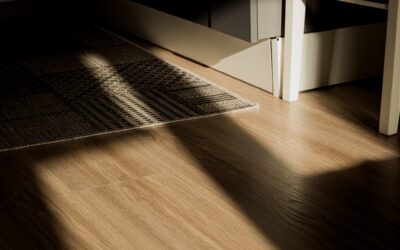
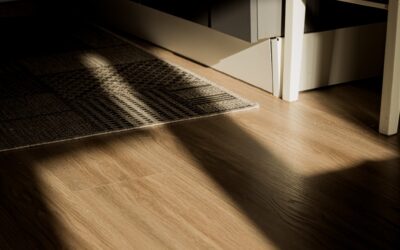
This is the complaint I hear most. Because glue-down LVP is bonded tight to the substrate with no underlayment cushion, every imperfection underneath eventually shows on the surface. Trowel ridges in the adhesive, small bumps, divots, seams in the underlayment, and even bits of debris left during install can telegraph through as visible high spots or shadows once light rakes across the floor.
Thinner planks make it worse. A 2mm to 4mm glue-down board conforms to whatever is beneath it, so the subfloor must be flatter and cleaner than most people expect — within roughly 3/16 inch over 10 feet, dust-free, and fully cured.
Removal Is a Genuine Nightmare
Floating floors come up in an afternoon; glued floors do not. Removing glue-down vinyl plank means scraping each board off the adhesive, then grinding or dissolving the residue left behind. It is slow, physical work, and the adhesive residue often has to be fully removed before any new flooring can go down. Budget serious time and possibly a floor scraper rental or professional help when the day comes to replace it.
This also affects resale and remodeling flexibility. A floating floor can be pulled and reused or swapped easily; a glued floor is effectively permanent, so a future style change costs far more in labor.
Moisture and Adhesive Compatibility
Adhesive and water do not always coexist. On concrete slabs with elevated moisture or vapor drive, the wrong adhesive can emulsify, re-wet, or lose grip, leading to bubbling and lifting. This is why moisture testing the slab and using a moisture-tolerant adhesive rated for your subfloor’s conditions is non-negotiable. Skip the test and you may not see the failure for months, long after the warranty conversation gets complicated.
Heat Expansion and Direct Sun
Vinyl expands and contracts with temperature. In rooms with big south-facing windows or over radiant heat run too hot, a glued floor can experience stress at the bond line as the planks want to move but the adhesive holds them. That can show up as lifting edges, gapping, or in extreme cases a bubbled seam. Keep radiant heat within the manufacturer’s stated maximum surface temperature, and use blinds on sun-blasted glass.
Trickier, Less Forgiving Installation
Glue-down is harder to DIY well than click-lock floating LVP. You are working with open time, trowel notch size, and roll-in pressure, and mistakes are hard to correct once boards are set. Adhesive squeeze-up between seams has to be wiped immediately or it cures and mars the surface. There is a reason many homeowners who want glue-down hire it out.
When Glue-Down Still Makes Sense
None of this means glue-down is a bad choice — it means it is the right choice in specific situations. Consider it when:
- You have large open areas. Big rooms and long runs benefit from a bonded floor that cannot shift, expand, or gap across the span the way a large floating field can.
- Traffic is heavy. Commercial spaces, entries, and busy households get a firmer, quieter, more stable floor from glue-down.
- Rolling loads are present. Office chairs, wheelchairs, and carts can push floating planks around; glued planks stay put.
- The subfloor is already excellent. A flat, dry, clean slab is the ideal canvas, and it neutralizes the telegraphing problem.
How to Avoid the Worst of These Problems
Most glue-down failures are prep failures, not product failures. If you or your installer do a handful of things right, you dodge the majority of the complaints above:
- Test the slab for moisture and buy an adhesive rated above the reading. This single step prevents the most catastrophic failures.
- Flatten the substrate to within 3/16 inch over 10 feet and vacuum it spotless, so nothing telegraphs and the bond is uniform.
- Use the specified trowel notch and confirm full adhesive transfer by pulling a set board occasionally.
- Respect open and working times so boards seat into live adhesive, not a skinned-over film.
- Clean squeeze-up immediately before it cures and mars the surface.
- Choose a thicker plank where possible; it conforms less to minor subfloor imperfections than a thin board.
Do these and glue-down becomes the durable, stable floor it is supposed to be. Skip them and you invite every problem on this list.
Weighing Glue-Down Against Floating
The decision usually comes down to permanence versus flexibility. Glue-down delivers a firmer, quieter, rock-solid floor that never shifts, at the cost of a harder install and a brutal removal down the road. Floating click-lock is forgiving, fast, and reversible, but can feel slightly hollow and can move or gap across very large fields. Neither is universally better — the right answer depends on your subfloor condition, room size, traffic, and how long you plan to keep the floor.
Understanding the problems with glue down vinyl plank flooring lets you decide with clear eyes. If your subfloor is flat and dry, your space is large or high-traffic, and you accept that removal will be laborious someday, glue-down rewards you with a solid, permanent floor. If you value easy installation, forgiveness, and future flexibility, a click-lock floating floor is probably the better match. Whatever you choose, the biggest predictor of success is not the format but the prep — a tested, flat, clean, dry subfloor makes glue-down thrive and a floating floor quiet, while a neglected subfloor sabotages both. Invest your effort there first, and the problems that plague glue-down installs mostly never materialize in the first place.
Prefer to explore on your own?
See how new flooring looks in your actual room in seconds — free, no signup.
Try the free Floor Studio →