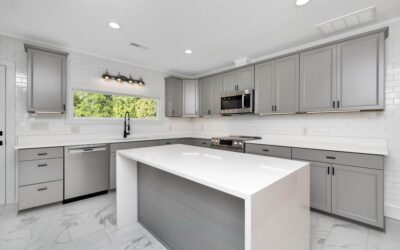
Repainting your cabinets is the single highest-impact, lowest-cost way to modernize a kitchen without a gut renovation, and it is why so many homeowners consider it before spending five figures on new boxes. The professional kitchen cabinet painting cost typically lands between $1,200 and $7,000 for an average kitchen, with most projects settling around $3,000 to $5,000. That is a fraction of the $15,000-plus you would spend replacing cabinets outright.
Part of our Kitchen Remodeling guide — explore the full guide →
But the range is wide, and understanding what pushes a quote to the high or low end lets you budget accurately and spot an overpriced bid. Here is a complete breakdown of what you are actually paying for.
- Average Cost Ranges at a Glance
- What Drives the Price Up or Down
- Labor vs. Materials Breakdown
- Professional vs. DIY: The Cost Comparison
- What a Quality Professional Job Includes
- Ways to Lower Your Cost
- How Cabinet Condition Affects the Quote
- Signs of a Quality Paint Job
- Frequently Asked Questions
- Is It Worth the Money?
Average Cost Ranges at a Glance
Painters price cabinet work several ways. Knowing the common metrics helps you compare bids apples to apples.
- Per door and drawer front: $50 to $120 each, the most common professional pricing.
- Per linear foot of cabinetry: $30 to $60 per linear foot.
- Total kitchen project: $1,200 to $7,000, averaging $3,000 to $5,000.
- Small kitchen (fewer than 15 doors): $900 to $2,500.
- Large or high-end kitchen: $5,000 to $9,000-plus.
A typical kitchen has 20 to 30 doors and drawer fronts, which is why the per-door math tends to converge on the mid-thousands.
What Drives the Price Up or Down
Two identical-looking kitchens can get quotes that differ by thousands. These are the factors behind the spread.
Number of Doors and Drawers
This is the biggest single driver. Each door and drawer front is a separate piece to clean, sand, prime, and coat on both sides. A kitchen with a big island and a pantry has far more surfaces than a galley kitchen.
Cabinet Material and Existing Finish
Solid wood and MDF take paint beautifully. Laminate, thermofoil, and slick factory finishes require special bonding primers and extra prep, which raises labor. Cabinets with heavy grain, like oak, may need grain filler for a smooth finish, adding cost.
Paint and Application Method
A sprayed finish, which is what gives cabinets that factory-smooth look, costs more than brushing and rolling because of the setup, masking, and skill involved. Premium cabinet enamels run $60 to $90 a gallon, and a quality job needs primer plus two topcoats.
Repairs and Detailing
Replacing hinges, filling old hardware holes for a new handle layout, or repairing water-damaged fronts all add to the bill. New hardware itself can add $2 to $10 per piece plus installation.
Labor vs. Materials Breakdown
On a professional cabinet job, labor dominates the invoice. Roughly 70 to 85 percent of your cost is labor, because the work is slow and detail-intensive: degreasing years of kitchen grime, sanding every surface, masking the room, and applying multiple thin coats with dry time between each.
Materials, the primer, enamel, sandpaper, masking supplies, and hardware, usually total $200 to $600. When you see a $4,000 quote, understand that you are paying primarily for craftsmanship and time, not for expensive paint. That labor is exactly what separates a durable, smooth result from a DIY job that chips within a year.
Professional vs. DIY: The Cost Comparison
Doing it yourself slashes the cash cost but not the time cost. Here is the honest comparison.
- DIY materials only: $200 to $600, plus a sprayer rental or purchase of $100 to $300.
- DIY time investment: 40 to 80 hours across several days for a full kitchen, including drying time when the kitchen is partly out of commission.
- Professional cost: $1,200 to $7,000, completed in 3 to 7 days with a durable sprayed finish.
The DIY route works if you have patience, a dust-free space to spray, and realistic expectations. But cabinets get touched, wiped, and slammed constantly, so a poor finish shows fast. Many homeowners who DIY once end up paying a pro the second time.
What a Quality Professional Job Includes
A fair quote should cover a specific process, and you should ask any bidder to confirm each step:
- Degreasing and cleaning every surface to remove kitchen grease that would otherwise ruin adhesion.
- Removing doors, drawers, and hardware, labeling each so it returns to its exact spot.
- Sanding and deglossing so the primer bonds.
- Filling and repairing dents, grain, and old holes.
- Applying a bonding primer, essential on slick surfaces.
- Spraying two topcoats of a durable cabinet enamel, sanding lightly between coats.
- Reassembly and adjustment of doors and new or cleaned hardware.
If a bid is dramatically cheaper than others, it usually means one of these steps, most often the primer or the second topcoat, is being skipped.
Ways to Lower Your Cost
You can trim the bill without gutting quality. Reuse your existing hardware if it is in good shape. Prep the room yourself by emptying cabinets and clearing counters before the crew arrives. Paint only the doors and drawer fronts and skip the interiors, which most people never see and which cuts labor. And schedule in the off-season, late fall or winter, when many painters offer better rates. Getting three written quotes almost always saves money, since cabinet pricing varies widely by shop.
How Cabinet Condition Affects the Quote
Painters price partly on how much prep your specific cabinets demand, and two homes with the same door count can get very different bids because of condition. Cabinets with a smooth, paintable factory finish and minor wear need standard cleaning, sanding, and priming. Cabinets coated in years of cooking grease, or those with a glossy thermofoil or laminate surface, require aggressive degreasing and a specialty bonding primer, adding hours of labor. Water-damaged or delaminating fronts may need repair or replacement before paint even enters the picture.
Grain is another hidden factor. Open-grain woods like oak show their texture through paint unless the painter fills the grain first, an extra step that adds cost but produces the smooth, modern look most people want. When you request quotes, point out any of these conditions so the estimate reflects reality rather than a lowball number that balloons mid-project.
Signs of a Quality Paint Job
Knowing what a good result looks like helps you judge whether you got your money’s worth. A quality job has a smooth, even finish with no visible brush marks or roller stipple, which is why professionals spray. The color coats evenly into corners and profiles, edges are crisp, and there are no drips or sags. Doors close without sticking, and the paint has fully cured hard so it resists chipping when you tap a fingernail on it. A cheap job reveals itself through visible strokes, thin coverage that lets the old color ghost through, and paint that stays soft and marks easily weeks later.
Frequently Asked Questions
How long does professional cabinet painting take?
Most kitchens take 3 to 7 days from start to finish, factoring in cleaning, sanding, priming, multiple coats, and proper cure time between them. The kitchen is partially usable during the process, though doors and drawers are off for several days.
Is it cheaper to paint or replace cabinets?
Painting costs roughly $1,200 to $7,000 versus $15,000 to $30,000 or more for replacement. As long as the cabinet boxes are structurally sound and the layout works, painting is dramatically cheaper and delivers a near-new look.
Do I need to replace the hardware?
Not necessarily. You can reuse existing knobs and pulls to save money, but new hardware is an inexpensive way to complete the transformation. If you switch to a different hole pattern, factor in filling and drilling.
Is It Worth the Money?
For most kitchens with structurally sound cabinets, painting is one of the best returns in home improvement. You spend $3,000 to $5,000 instead of $15,000 to $30,000 on replacement, and you get a kitchen that looks new. The value holds only if the boxes are solid; if the cabinets are falling apart or the layout does not work, paint is lipstick on a bigger problem. But for dated-but-durable cabinets, professional painting delivers a dramatic, lasting transformation at a price that makes financial sense. Budget realistically, vet your painter’s process, and it will be money well spent.