
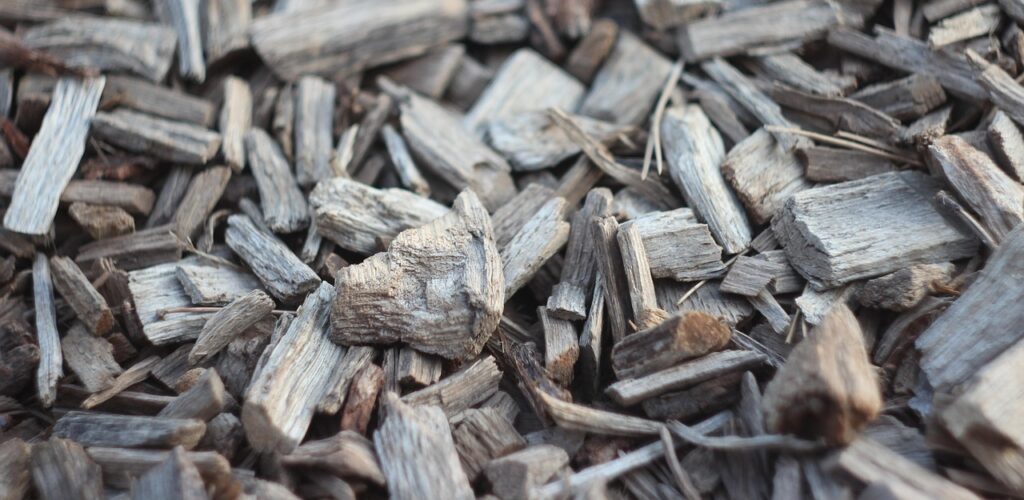
Most people spread mulch because beds look tidy with it. That instinct is right, but it badly undersells what the material does. The real purpose of mulch is to do the work your soil cannot do alone: hold moisture, suppress weeds, regulate temperature, and slowly feed the ground beneath it. A two- to three-inch layer can cut watering by up to 50 percent and dramatically reduce the time you spend pulling weeds. Understanding the why helps you choose the right mulch and apply it correctly.
- Conserving Soil Moisture
- Suppressing Weeds
- Regulating Soil Temperature
- Feeding the Soil
- Organic vs. Inorganic Mulch
- How to Apply Mulch Correctly
- Common Mulching Mistakes
- Choosing the Right Mulch for the Job
- How Much Mulch You Need
- When to Apply and Refresh Mulch
- Mulch and Plant Health
- Final Thoughts on Mulching
Conserving Soil Moisture
Bare soil loses water fast. Sun and wind pull moisture from the surface through evaporation, which is why exposed beds dry out within hours of a watering.
A mulch layer acts like a blanket, slowing that loss dramatically. In hot climates, mulched beds can stay damp two to three times longer than bare ground, which means fewer waterings and lower bills during a dry summer.
Suppressing Weeds
Weed seeds need light to germinate. Block that light with a few inches of mulch and most of them never sprout, which is the single most appreciated benefit for busy homeowners.
Three inches of bark or wood chips smothers the majority of annual weeds. The few that push through pull easily because the loose, moist soil underneath gives up roots without a fight.
Regulating Soil Temperature
Roots hate extremes. Mulch buffers them, keeping soil cooler in summer heat and warmer through early frosts, which protects shallow-rooted plants from temperature shock.
In winter, a mulch layer reduces the freeze-thaw cycling that heaves plants out of the ground. That swing between thawing and refreezing can snap roots and lift perennials, and a steady mulch cover smooths it out.
Feeding the Soil
Organic mulches do something inorganic ones never will: they break down and improve the dirt beneath. As bark, leaves, and wood chips decompose, they add organic matter that feeds earthworms and beneficial microbes.
Over a few seasons this builds richer, looser soil that drains better and holds nutrients longer. It is a slow-release improvement you get simply by topping up the layer each year.
Organic vs. Inorganic Mulch
Mulch falls into two camps, and the right one depends on your goal.
- Organic mulch: Shredded bark, wood chips, straw, leaves, and compost. Decomposes and enriches soil. Needs topping up yearly.
- Inorganic mulch: Gravel, river rock, rubber, and landscape fabric. Lasts for years and never breaks down, but adds nothing to the soil.
For vegetable and flower beds, choose organic every time. For pathways, drainage areas, and low-maintenance xeriscapes, inorganic options earn their place.
How to Apply Mulch Correctly
More is not better. A layer thicker than four inches can suffocate roots and trap so much moisture that it invites rot and fungal problems.
- Aim for 2 to 3 inches of depth across the bed.
- Keep mulch 2 to 3 inches away from plant stems and tree trunks.
- Never pile it against the trunk in a “mulch volcano,” which rots bark and attracts pests.
- Refresh organic mulch once a year as it thins.
Common Mulching Mistakes
The volcano around tree trunks is the most damaging error, and it is everywhere. Pulled-back, flat application protects the trunk and lets water reach the root zone.
The other frequent miss is layering plastic sheeting under organic mulch, which blocks the very decomposition that improves your soil. Once you understand the full purpose of mulch, you apply it as a living layer, not just a cosmetic top dressing.
Choosing the Right Mulch for the Job
Not every mulch suits every bed, and matching the material to the use saves money and headaches. The decision usually comes down to what you are growing and how the area looks.
- Shredded hardwood bark: The all-purpose default for shrub and flower beds. Knits together so it resists washing away on slopes.
- Pine straw: Light, slightly acidic, and ideal for azaleas, camellias, and other acid-loving plants.
- Wood chips: Best for pathways and around established trees, slower to break down.
- Straw: Cheap and effective for vegetable gardens, though it can carry weed seeds.
- Compost: Doubles as mulch and a soil amendment for productive beds.
How Much Mulch You Need
Buying the right amount the first time avoids both shortfalls and a pile rotting in the driveway. Mulch is sold by the cubic yard in bulk or by the bag, and a little math gets you there.
One cubic yard covers about 100 square feet at 3 inches deep. To estimate, multiply the bed’s length by its width to get square footage, then divide by 100 for the yards needed at a standard 3-inch depth. A 2-cubic-foot bag covers roughly 8 square feet at the same depth, so bulk delivery almost always wins for anything larger than a small bed.
When to Apply and Refresh Mulch
Timing affects how well mulch does its job. Spring is the classic application window, after the soil has warmed but before summer weeds take hold and heat stress sets in.
A second light top-up in fall protects roots through winter freeze-thaw cycles in colder zones. Rather than piling new mulch on top of old every year, rake and fluff the existing layer first, then add only enough to restore the 2-to-3-inch depth. This keeps the total layer from creeping too thick and smothering plant crowns over time.
Mulch and Plant Health
Beyond water and weeds, a well-chosen mulch quietly improves the health of everything growing in the bed. As organic mulch decomposes, it feeds the soil food web of earthworms, fungi, and microbes that make nutrients available to roots.
That richer biology produces stronger, more disease-resistant plants over a few seasons. Mulch also keeps soil from crusting over and shedding rainwater, so more moisture actually reaches the root zone instead of running off. The cumulative effect is plants that establish faster, tolerate drought better, and need less fertilizer than those in bare, compacted ground.
Final Thoughts on Mulching
Understood properly, mulch is one of the highest-value, lowest-effort investments you can make in a landscape. The full purpose of mulch is to do several jobs at once, conserving water, blocking weeds, steadying soil temperature, and feeding the ground beneath it.
Get the basics right and the payoff is immediate and ongoing. Apply 2 to 3 inches, keep it back from stems and trunks, choose the right type for each bed, and refresh it as it thins. A garden mulched with care needs less watering, less weeding, and less feeding, leaving you more time to enjoy the results rather than fighting to maintain them.


