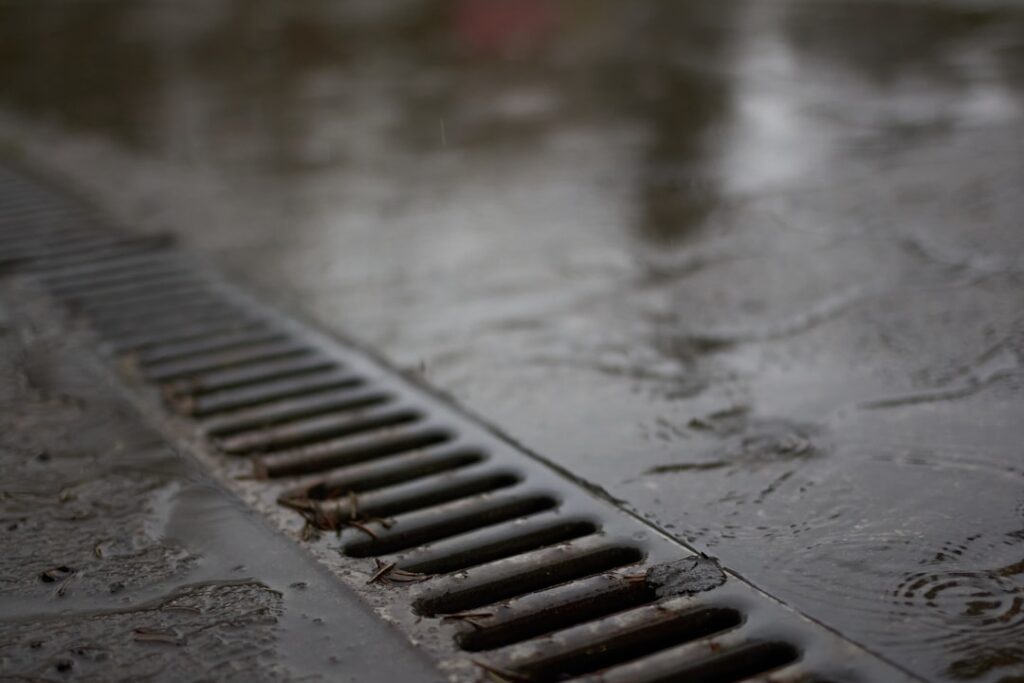
PVC drain tile is a perforated or solid plastic pipe used to collect and carry groundwater away from your foundation, yard, or wet landscape area. Despite the old-fashioned name, modern drain tile is not clay tile at all; it is rigid polyvinyl chloride pipe engineered to last for decades underground. When water builds up against a foundation, it creates hydrostatic pressure that can push moisture through walls and cracks. A properly installed run of PVC drain tile intercepts that water and routes it to a safe discharge point before it ever reaches your basement.
If you are battling a damp basement, a soggy lawn, or pooling water near the house, understanding how drain tile works will help you plan an effective system. This guide covers the types, the critical importance of slope, installation steps, and when the job calls for a professional.
What PVC Drain Tile Is
The term “drain tile” survives from the era when farmers laid sections of clay or concrete tile to drain fields. Today the same job is done with plastic pipe, and PVC is one of the most common choices because it is rigid, smooth-walled, and resists crushing. The two main formats are perforated pipe, which has rows of small holes or slots that let water seep in along its length, and solid pipe, which carries collected water without admitting more.
Rigid PVC differs from flexible corrugated drainage pipe in a couple of important ways. The smooth interior of PVC resists clogging and lets water move efficiently, and the rigid wall holds its shape and slope under the weight of backfill. That makes PVC a strong choice for foundation perimeter drains and long runs where a consistent grade matters.
Perforated vs Solid Pipe
A complete system often uses both types, each in the right place. Knowing the difference prevents the common mistake of putting holes where you do not want water entering.
- Perforated PVC drain tile goes in the collection zone, such as alongside a footing or in a French drain trench, where the goal is to gather water from the surrounding soil.
- Solid PVC pipe carries the collected water from the perimeter to the discharge point without letting any escape along the way.
- Filter fabric wrapped around perforated pipe and gravel keeps fine soil from migrating in and clogging the holes over time.
- Clean washed gravel around the pipe creates a void for water to travel through and protects the perforations.
Why Slope Is Everything
Drainage works by gravity, so slope is the single most important detail in any installation. The pipe must fall continuously toward its outlet; a flat or, worse, a reverse-sloped section will hold standing water and eventually clog or freeze. A common target is a fall of about one inch for every eight to ten feet of run, though local conditions and code may dictate otherwise.
Check the grade with a level along the trench bottom before laying any pipe, and verify it again after the pipe is set. Even a short low spot defeats the whole system. Where the natural grade cannot deliver enough fall to a daylight outlet, the water is typically routed to a sump pit and lifted out by a sump pump instead.
Where the Water Goes
Collecting water is only half the job; you also need a safe place to send it. The discharge point must move water well away from the foundation so it does not simply circle back. Acceptable outlets depend on your property and local rules, and connecting drain tile to a sanitary sewer is prohibited in most jurisdictions.
Common discharge options include daylighting the pipe to a lower point on the property where water can flow out naturally, routing it to a dry well, or directing it to a storm drain where code permits. Before you choose, confirm what your local building and plumbing codes require, because improper discharge can violate ordinances and create problems for you or your neighbors.
Installation Overview
Installing a perimeter or French drain is labor-intensive but follows a logical sequence. If you take on part of the work yourself, plan carefully and confirm the depth and slope before you bury anything. A typical installation looks like this:
- Call your utility locating service before digging to mark buried lines.
- Excavate the trench to the proper depth, keeping the bottom sloping toward the outlet.
- Lay filter fabric in the trench and add a base layer of washed gravel.
- Place perforated PVC drain tile on the gravel, holes oriented per the manufacturer’s guidance.
- Use solvent-cement fittings to join sections and to connect to solid carrier pipe, working in a ventilated area.
- Cover the pipe with more washed gravel, wrap the fabric over the top, and backfill carefully.
Working With Solvent Cement Safely
PVC joints are made with primer and solvent cement, which chemically weld the pipe and fittings together. These products contain strong solvents, so handle them with care. Use them only in a well-ventilated space, avoid open flames and sparks, and follow the manufacturer’s instructions for application and cure time. Wear gloves and eye protection, and keep the containers closed when not in use to limit fumes.
Take your time with each joint. A properly primed and cemented connection is permanent and watertight, while a rushed joint can fail underground where it is expensive to reach. Allow the recommended cure time before pressurizing or backfilling.
When to Hire a Professional
Surface drainage in an open yard is often within reach for a determined homeowner. Foundation drainage and waterproofing are a different matter. Excavating around a foundation, getting the grade exactly right, integrating the system with a sump, and ensuring code compliance are jobs where mistakes are costly and hard to correct after backfilling.
If you are dealing with a chronically wet basement, foundation seepage, or significant regrading, bring in a licensed waterproofing or drainage contractor. A professional can assess the full water path, design a system sized to your soil and rainfall, and make sure the work meets local code. Done right, a PVC drain tile system protects your foundation and keeps your basement dry for the long haul.
Prefer to explore on your own?
See how new flooring looks in your actual room in seconds — free, no signup.
Try the free Floor Studio →