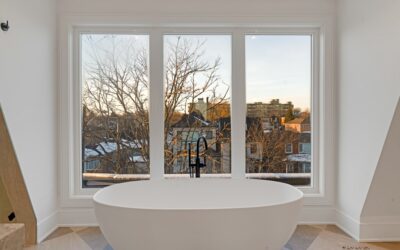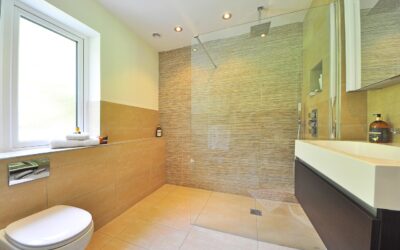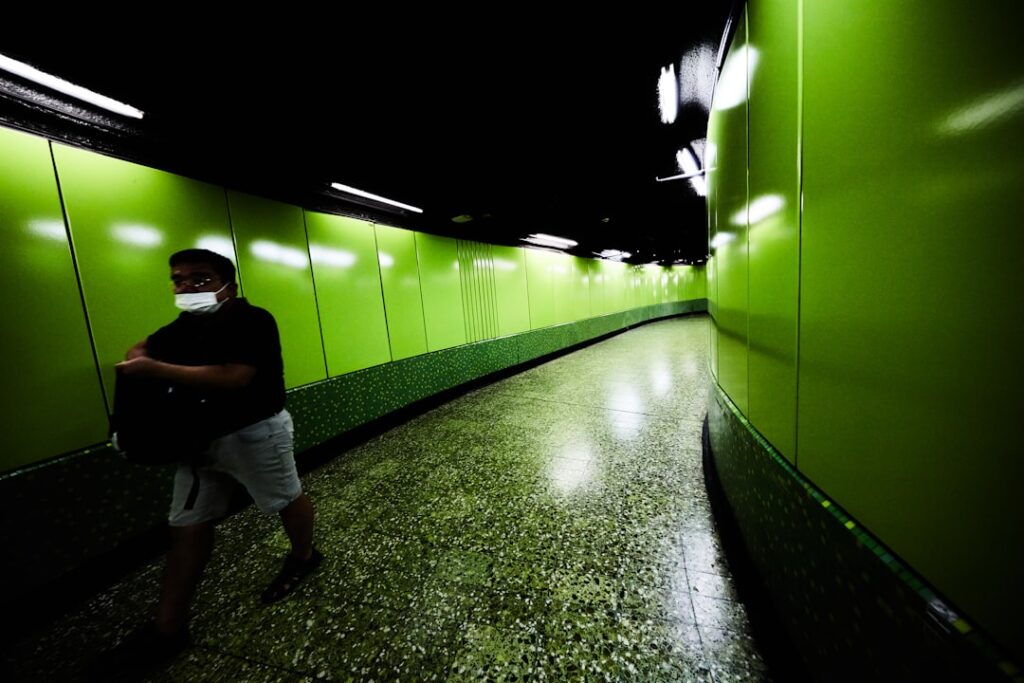
A green tile bathroom is one of the most enduring and versatile design choices available in 2026. Green connects any space to nature, creating a calming, restorative atmosphere that is perfectly suited to a room designed for relaxation and self-care. From the soft whisper of sage to the bold drama of emerald, green tiles transform bathrooms from purely functional spaces into rooms with genuine character and mood.
Part of our Bathroom Remodeling & Flooring guide — explore the full guide →
This guide covers the most popular green shades for bathroom tiles, the best tile materials, where to use green tile in your bathroom, fixture pairings, design ideas, and realistic cost expectations.
Trending Green Shades for Bathrooms in 2026
Not all greens are equal in a bathroom setting. The shade you choose determines the mood, perceived size, and design compatibility of the space. Here are the most popular green shades for green tile bathrooms in 2026.
Sage Green
Sage is the most popular green shade for bathrooms right now. This soft, muted green with gray undertones creates a calming, spa-like atmosphere without overwhelming the space. Sage works in bathrooms of any size and pairs beautifully with white, cream, natural wood, and both warm and cool metals. It is the safest, most universally appealing green for a bathroom renovation.
Forest Green
Forest green is a deep, rich shade that brings drama and sophistication to larger bathrooms. It evokes the depth and density of a woodland and creates a moody, enveloping atmosphere. Forest green works best in bathrooms with good natural light and is typically used on accent walls rather than as a full room treatment to avoid making the space feel dark.
Emerald Green
Emerald is a vivid, jewel-toned green that creates a bold, luxurious statement. It pairs exceptionally well with gold and brass fixtures, black accents, and white marble. Emerald green tile in a bathroom tile design adds a sense of opulence and works particularly well as a shower accent wall or behind a freestanding tub.
Olive Green
Olive green has warm, earthy undertones that create a grounded, organic feel. It is the most natural-looking green and pairs well with terracotta, warm wood, raw brass, and other earth-toned materials. Olive green is ideal for bathrooms with a Mediterranean, rustic, or organic modern aesthetic.
Seafoam Green
Seafoam is a light, blue-toned green that creates a fresh, coastal atmosphere. It brightens small bathrooms and pairs well with white, sandy beige, and chrome or nickel hardware. Seafoam green tile is a classic choice for beach houses and coastal-inspired bathrooms but works equally well in urban settings for a light, airy feel.
Hunter Green
Hunter green is a dark, classic shade with blue undertones. It reads as more formal and traditional than forest green and creates a library-like sophistication when used in powder rooms and en-suite bathrooms. Hunter green pairs beautifully with polished nickel, white wainscoting, and dark wood vanities.
| Shade | Undertone | Mood | Best For | Pairs With |
|---|---|---|---|---|
| Sage | Gray | Calm, spa-like | Any bathroom size | White, cream, wood, any metal |
| Forest | Blue-green | Dramatic, moody | Large bathrooms, accent walls | White, black, gold |
| Emerald | Blue | Luxurious, bold | Statement walls, showers | Gold, brass, white marble |
| Olive | Yellow-brown | Earthy, organic | Rustic / Mediterranean | Terracotta, warm wood, raw brass |
| Seafoam | Blue | Fresh, coastal | Small bathrooms, coastal style | White, sand, chrome |
| Hunter | Blue | Formal, classic | Powder rooms, traditional | Nickel, white trim, dark wood |
Best Tile Materials for Green Bathrooms
Zellige Tile
Zellige is the most coveted tile material for green tile bathrooms in 2026. These handmade Moroccan tiles feature an irregular, undulating glazed surface that catches light from different angles, creating a luminous, living quality that flat tiles cannot replicate. Each zellige tile is slightly different in color, texture, and thickness — this imperfection is the point.
Green zellige in sage, celadon, and forest tones creates a rich, textured wall that feels handcrafted and artisanal. The tradeoff is cost ($15 to $35 per square foot) and installation difficulty (the irregular thickness requires a skilled setter). Zellige is best used on walls rather than floors due to its fragile glaze.
Subway Tile
The classic 3×6-inch subway tile in green is one of the most accessible and affordable ways to create a green bathroom. Available in every green shade from seafoam to hunter, subway tiles are widely stocked, competitively priced ($2 to $8 per square foot), and familiar to any tile installer.
Green subway tile with a glossy glaze brightens small bathrooms and reflects light. Matte-finished green subway tile creates a more contemporary, muted look. Stacked bond (horizontal with aligned joints) is the current preferred layout over the traditional running bond (offset) for a more modern aesthetic.
Porcelain Tile
Large-format porcelain tile in green is available in an enormous range of finishes, sizes, and textures. From 4×12-inch vertical stacks to 24×48-inch slabs, porcelain provides the most design flexibility. It is also the most durable and lowest-maintenance option — non-porous, scratch-resistant, and available with textured surfaces for floor use.
Porcelain tiles that mimic green marble (Verde Guatemala, for example) provide a luxury stone look without the sealing and maintenance demands of natural marble.
Natural Marble
Green marble — Verde Guatemala, Verde Alpi, and Ming Green — creates a uniquely luxurious bathroom. The natural veining and depth of real marble cannot be fully replicated by porcelain imitations, and the material carries an undeniable sense of quality and permanence.
Green marble requires sealing before grouting and periodic resealing every 6 to 12 months. It is susceptible to etching from acidic cleaners and staining from colored products. The maintenance commitment is real, but the aesthetic payoff is equally significant.
Glass Tile
Green glass tile creates a luminous, gem-like quality that no other material achieves. The transparent or translucent nature of glass allows light to enter the tile body and reflect back, creating depth and brilliance. Green glass mosaics and shower tile accents are particularly striking in niches, borders, and accent strips.
| Material | Cost (per sq ft) | Surface Quality | Maintenance | Best Use |
|---|---|---|---|---|
| Zellige | $15 – $35 | Handmade, irregular, luminous | Moderate (fragile glaze) | Walls, accent areas |
| Subway tile (ceramic) | $2 – $8 | Uniform, glossy or matte | Low | Walls, full bathrooms |
| Porcelain | $3 – $15 | Uniform, wide format range | Very low | Walls and floors |
| Natural marble | $10 – $30 | Natural veining, unique | High (sealing required) | Luxury walls and floors |
| Glass | $10 – $40 | Luminous, reflective | Low | Accents, niches, mosaics |
Where to Use Green Tile in Your Bathroom
The placement of green tile determines how bold or subtle the final design reads. Here are the most effective applications.
Accent Wall
A single green tile accent wall — typically the shower wall, the wall behind the vanity, or the wall behind a freestanding tub — is the most popular and safest approach. One green wall surrounded by white or neutral surfaces creates a focal point without overwhelming the room. This is the best option for homeowners who want to incorporate green without committing to a fully green bathroom.
Full Walls (Floor to Ceiling)
Tiling all walls in green creates an immersive, enveloping experience that works best with lighter shades (sage, seafoam) in well-lit bathrooms. Full green walls in darker shades (forest, hunter, emerald) can feel heavy in small bathrooms but create a stunning moody atmosphere in larger spaces with adequate lighting.
Floor Only
A green tile floor with white walls is a sophisticated, unexpected approach. Green hex tiles, patterned encaustic tiles, or green marble on the floor create visual interest underfoot while keeping the walls light and open. This works particularly well in powder rooms and small bathrooms.
Shower Niche
Using green tile exclusively in the shower niche (the recessed shelf for bottles) is the most subtle green accent possible. A few green tiles framed by a neutral surround adds a pop of color without dominating the design. This is an excellent low-risk entry point for homeowners who are cautious about color.
Half Wall (Wainscot Height)
Green tile from floor to wainscot height (typically 36 to 48 inches) with painted walls above is a classic approach inspired by traditional English and European bathrooms. This treatment adds color and pattern to the lower portion of the room while keeping the upper walls light for an open, airy feel. Hunter and forest green are the most popular shades for this traditional treatment.
Fixture and Hardware Pairings
The metal finish you pair with green tile has a dramatic impact on the overall bathroom aesthetic. These are the most effective combinations.
Brass and gold — the most popular pairing for green bathrooms in 2026. Warm brass tones complement every shade of green, from sage to emerald. The combination evokes nature (green leaves and golden sunlight) and creates a luxurious, inviting atmosphere. Brushed brass is more contemporary; polished brass reads as more traditional.
Matte black — creates a bold, high-contrast look that works best with deeper greens (forest, emerald, hunter). Black fixtures against green tile produce a sophisticated, editorial quality. This combination is particularly effective in modern and industrial-influenced bathrooms.
Polished nickel and chrome — the safest, most traditional pairing. Chrome and nickel fixtures keep the bathroom feeling clean and bright. They pair best with lighter greens (sage, seafoam) where the cool metal tones complement the cool undertones in the tile.
Unlacquered brass — develops a living patina over time that enhances the organic, natural quality of green tile. This pairing suits artisanal and rustic-modern bathrooms where imperfection and character are valued.
Copper — an unconventional but stunning pairing, especially with olive and forest greens. The warm orange-brown of copper creates a complementary color contrast with green that is visually rich and distinctive.
Design Ideas and Inspiration
Here are six proven green tile bathroom designs for different styles and budgets.
1. Sage zellige shower with brass fixtures. Line the shower walls with sage zellige tile. Use white or cream large-format porcelain on the remaining walls and floor. Install brushed brass showerhead, valve trim, and towel bar. The zellige texture catches shower light beautifully, and the brass adds warmth. Total material cost: $20 to $40 per square foot (shower area).
2. Emerald subway tile feature wall. Install glossy emerald 3×6 subway tile in a stacked bond pattern on the vanity wall. Keep the remaining walls in white paint and the floor in white hexagon tile. Add gold fixtures and a wood-framed mirror. Total material cost: $4 to $10 per square foot (accent wall).
3. Forest green floor-to-ceiling with matte black. Tile the entire bathroom in matte forest green porcelain (12×24 or larger). Install matte black fixtures, a black-framed mirror, and floating black vanity. Add warm lighting to prevent the space from feeling too dark. Best in bathrooms with natural light. Total material cost: $5 to $15 per square foot.
4. Seafoam penny tile shower floor. Use seafoam green penny round mosaics on the shower floor with white walls. The green floor creates a subtle coastal accent without overpowering the space. Pair with chrome fixtures for a clean, bright aesthetic. Total material cost: $6 to $14 per square foot (shower floor).
5. Olive green wainscot with plaster walls. Install olive green subway tile to wainscot height (42 inches) with a matching cap molding. Apply warm white lime wash or textured plaster above. Add unlacquered brass fixtures and a natural wood vanity. This creates a Mediterranean-inspired bathroom with earthy warmth.
6. Green marble luxury bath. Use Verde Guatemala marble on the floor and shower walls. Pair with white marble on the vanity and remaining walls. Install polished brass or gold fixtures. This is the most expensive approach ($15 to $35 per square foot for marble) but creates an undeniably luxurious result.
Cost of a Green Tile Bathroom
| Approach | Tile Material Cost | Installation Cost | Total (40 sq ft accent wall) | Total (full bathroom, 150 sq ft) |
|---|---|---|---|---|
| Ceramic subway tile | $2 – $8/sqft | $5 – $10/sqft | $280 – $720 | $1,050 – $2,700 |
| Porcelain tile | $3 – $15/sqft | $5 – $12/sqft | $320 – $1,080 | $1,200 – $4,050 |
| Zellige | $15 – $35/sqft | $10 – $18/sqft | $1,000 – $2,120 | $3,750 – $7,950 |
| Natural marble | $10 – $30/sqft | $8 – $15/sqft | $720 – $1,800 | $2,700 – $6,750 |
| Glass mosaic | $10 – $40/sqft | $10 – $18/sqft | $800 – $2,320 | $3,000 – $8,700 |
The most budget-friendly green tile bathroom approach is a ceramic subway tile accent wall ($280 to $720 total). The most expensive is a full glass mosaic or zellige bathroom ($3,750 to $8,700+ total). Most homeowners spend between $1,500 and $4,000 on a green tile bathroom renovation depending on the scope and material selected.
Frequently Asked Questions
Is green tile still in style for 2026?
Yes. Green tile — particularly sage, forest, and emerald shades — has been a top bathroom trend since 2022 and shows no signs of fading. Green’s connection to nature, biophilic design principles, and wellness aesthetics keeps it firmly in demand. Sage green is the most enduring shade with the broadest appeal.
What color walls go with green tile?
White, warm white, cream, and light gray are the safest wall colors to pair with green tile. These neutral tones allow the green tile to be the focal point without competing for attention. For a bolder approach, deep navy or charcoal walls can work with lighter greens (sage, seafoam) in large, well-lit bathrooms.
Should I use green tile on floors or walls?
Walls are the most common and safest application. Green tile on walls creates a bright, visible focal point. Green tile on floors is more subtle and sophisticated but less impactful because it is below eye level. Using green on both walls and floors creates the most immersive effect but requires good lighting to avoid making the space feel heavy.
Does green tile make a small bathroom look smaller?
Light greens (sage, seafoam, mint) can actually make a small bathroom feel larger, especially with a glossy glaze that reflects light. Dark greens (forest, hunter, emerald) can make small bathrooms feel smaller if used extensively. In small spaces, use dark green as an accent (one wall, niche, or floor only) and keep the remaining surfaces white or light.
What is the best green tile for a shower?
Porcelain tile is the best material for green shower tile because it is non-porous, durable, and requires no sealing. Zellige is the most visually stunning option for shower walls but requires careful installation and is not suitable for shower floors. Marble works in showers but needs frequent sealing.
Is zellige tile worth the cost?
If you value handmade character, luminous surface quality, and artisanal imperfection, zellige is worth the premium. The undulating surface and color variation create a visual richness that factory-made tiles cannot replicate. However, if you prefer uniform, consistent surfaces, porcelain or ceramic subway tile in a similar color achieves a comparable green look at a fraction of the cost.
What grout color should I use with green tile?
White grout creates a clean, classic look that highlights the tile pattern. Matching grout (green-toned) creates a seamless, unified surface. Gray grout is a low-maintenance compromise that does not show dirt as much as white. For zellige tile, many designers recommend a slightly off-white or matching grout to keep the focus on the tile’s natural variation.
Prefer to explore on your own?
See how new flooring looks in your actual room in seconds — free, no signup.
Try the free Floor Studio →