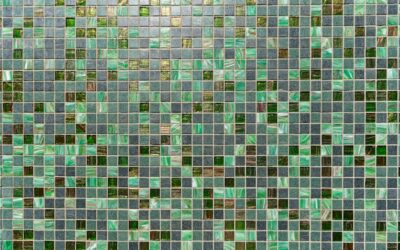
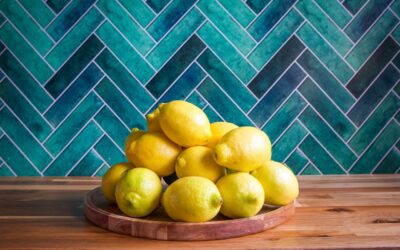
Walk into a bathroom paved in sage zellige or a sunroom finished in deep forest porcelain, and you immediately understand why designers keep circling back to this color. Green tile flooring has quietly become one of the strongest trends in residential remodeling, replacing the cool grays that dominated the last decade. It pairs naturally with brass, walnut, marble, and unlacquered hardware. Done right, it reads timeless rather than trendy.
Part of our Tile & Grout guide — explore the full guide →
Why Green Works on the Floor
Green sits between warm and cool on the color wheel, which makes it forgiving against almost any cabinet or wall paint. A muted olive looks earthy with white oak, while a glossy emerald turns dramatic next to soft plaster walls. Unlike a beige tile that fades into the background, green sets a mood and gives the room a clear identity.
Most installers report that the green floors they laid five years ago still feel fresh, while the trendy gray wood-look tiles from 2018 are already getting torn out. Color longevity matters when you are spending $8 to $14 per square foot on materials and labor.
Shades and Where Each One Fits
Not every green is interchangeable. The shade you choose should match how much natural light the room gets and the function of the space.
- Sage and seafoam: Light, airy, perfect for north-facing bathrooms or laundry rooms. Reads almost neutral.
- Olive and moss: Earthy and grounded, ideal for mudrooms, kitchens, and screened porches.
- Forest and hunter: Deep and saturated. Works best with plenty of natural light or layered warm lighting.
- Emerald and jade: Jewel tones that demand attention. Save them for small statement floors like a powder room.
- Celadon: A grayed pale green with a slight blue undertone. Pairs well with marble countertops.
Material Options and Pricing
Color alone does not dictate performance. The base material does. Here is what you will see at most showrooms and big-box stores.
- Glazed porcelain: $3 to $8 per sq ft. Most durable, easiest to clean, fully waterproof. Best for kitchens, baths, and entryways.
- Ceramic: $2 to $6 per sq ft. Softer body, fine for low-traffic powder rooms.
- Zellige (handmade Moroccan): $10 to $18 per sq ft. Beautiful color variation but rated for walls more often than floors. Use only in light-traffic areas.
- Encaustic cement: $8 to $15 per sq ft. Bold pigment, requires sealing every 12 to 18 months.
- Green marble (Verde Alpi, Ming, Guatemala): $15 to $40 per sq ft. Stunning, but soft and stain-prone.
Installation typically adds $7 to $14 per square foot depending on tile size, layout pattern, and floor prep. A herringbone or basketweave layout can push labor 25 percent higher than a straight set.
Pros Worth Considering
Beyond the aesthetic, green tile brings practical advantages most homeowners overlook until they live with it.
- Hides dirt, dust, and pet hair far better than light gray or white tile
- Brings biophilic warmth without committing to wood
- Resists trend fatigue because it borrows from nature
- Boosts resale appeal in design-forward markets when shade is restrained
- Pairs cleanly with brass, gold, black, and brushed nickel fixtures
Drawbacks You Should Plan For
No floor is perfect, and green has its own quirks. Dye lots vary more than you might expect, especially with handmade tile. Order at least 15 percent overage and check every box under daylight before the installer cuts a single piece. A box pulled from a different production run can shift two or three shades, which becomes obvious once grout dries.
Resale is the other consideration. A muted sage rarely turns buyers off, but a saturated jewel-tone floor in a primary bathroom can narrow your buyer pool when you sell. If you plan to move within five years, lean toward shades that read more neutral.
Grout Color Makes or Breaks the Look
Grout is half the visual weight of any tile floor. With green, your choices fall into three camps.
- Tonal match: A green-tinted grout that disappears into the tile. Best for a seamless, modern look.
- Warm neutral: Sand or bone grout that adds vintage warmth, especially with zellige.
- Contrast: Black or charcoal grout for graphic geometric patterns. High maintenance, high impact.
Mapei Flexcolor CQ and Custom Building Products Fusion Pro both offer pre-mixed urethane and acrylic options that resist staining. Plan on $0.50 to $1.50 per sq ft for grout materials.
Installation and Maintenance Notes
Use a quality uncoupling membrane like Schluter Ditra under any tile floor that bridges plywood or transitions between rooms. It prevents the hairline cracks that show up two winters after install. Heated floor mats (Warmly Yours or SunTouch) run $8 to $12 per sq ft and pair beautifully with a cool-toned green tile to add comfort underfoot.
For maintenance, sweep weekly and damp mop with a pH-neutral cleaner such as Bona Stone, Tile and Laminate Floor Cleaner. Skip vinegar on cement or marble varieties because acid etches the surface. Reseal natural stone and encaustic cement annually with a product like Miracle Sealants 511 Impregnator.
Final Buying Tips
Always order full sheets or pull a half-dozen tiles from different boxes and lay them out dry before committing. Photograph the layout at different times of day to see how light shifts the color. If you are buying online, request a physical sample first. Screens consistently misrepresent green, often pushing it bluer or yellower than reality. With the right shade, material, and grout combination, this is a floor you will still love a decade from now.
Prefer to explore on your own?
See how new flooring looks in your actual room in seconds — free, no signup.
Try the free Floor Studio →