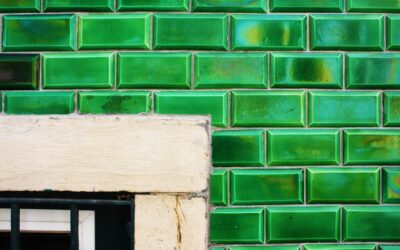
Subway tile has been the default shower surround for a century, but the crisp white version has plenty of company now. A green subway tile shower brings warmth, personality, and a nature-inspired calm that plain white simply cannot match, while keeping the timeless 3-by-6-inch proportions that never look dated. Whether you are drawn to a soft sage, a deep forest, or a glossy emerald, this guide covers how to choose the right shade, lay it out, waterproof behind it, and budget the project so the result looks intentional rather than trendy.
Part of our Bathroom Remodeling & Flooring guide — explore the full guide →
- Choosing the Right Shade of Green
- Layout Patterns That Change the Whole Look
- Grout: The Detail That Makes or Breaks It
- Waterproofing Comes Before the Pretty Part
- What a Green Subway Tile Shower Costs
- Pairing Green Tile With the Rest of the Bathroom
- Care and Long-Term Maintenance
- Common Mistakes to Avoid
- Is a Green Shower Right for You?
Choosing the Right Shade of Green
Green spans an enormous range, and the shade you pick sets the entire mood of the bathroom. Before you fall for a single sample, look at it wet, dry, under your actual bathroom lighting, and against your floor and vanity.
- Sage and celadon: muted, gray-green tones that read as neutrals. They pair beautifully with white, brass, and natural wood, and they keep small bathrooms feeling airy.
- Olive and moss: earthy mid-greens that add warmth and work well in vintage or organic-modern spaces.
- Emerald and forest: saturated jewel tones that make a bold statement, best used where there is enough light and space to carry the drama.
- Seafoam and mint: cool, retro-leaning greens that suit a playful or mid-century bathroom.
Gloss versus matte matters as much as color. Glossy glazed tile bounces light and reads brighter and more classic, which helps in a windowless shower. Matte and handmade-look tiles feel softer and more contemporary but can show water spots more readily. Always buy a few loose tiles or a sample board before committing, because screen colors lie.
Layout Patterns That Change the Whole Look
The tile is only half the story; the pattern you set it in transforms the same green into completely different styles. The most common layouts for a shower surround are:
Classic Offset (Running Bond)
Each row shifts by half a tile, the traditional brick pattern. It is forgiving, hides minor wall imperfections, and reads as timeless. A 50 percent offset is standard, but a one-third offset has become popular because it avoids the slight optical sag some people see in a strict half-brick.
Vertical Stack and Vertical Offset
Running the tiles vertically draws the eye upward and makes a shower feel taller, a smart trick in a room with low ceilings. A straight vertical stack looks crisp and modern, while a vertical offset softens it.
Herringbone
Setting the rectangles in a herringbone weave turns simple subway tile into a feature wall. It uses more tile and more labor, but a green herringbone accent behind the shower niche or on the back wall is a designer-grade detail.
Straight Stack (Grid)
Aligning tiles in a clean grid is the most contemporary option. It demands precise installation because any misalignment is obvious, but the result feels architectural and calm.
Grout: The Detail That Makes or Breaks It
Grout color is not an afterthought. It defines how much the pattern stands out and how the green reads overall.
- White or light gray grout creates high contrast, emphasizing the brick pattern and giving a fresh, classic look.
- Matching green or greige grout blends the joints, letting the tile read as a continuous field of color for a subtle, modern effect.
- Charcoal grout makes each tile pop dramatically and hides dirt, but it can feel heavy in a small space.
In a wet shower environment, always use a quality grout and seal it, or choose an epoxy grout that resists staining and mildew without sealing. Standard cement grout is cheaper but needs resealing roughly once a year to stay watertight and clean. For joint width, a 1/16-inch grout line looks sleek and modern, while a 1/8-inch line is more forgiving of slightly irregular tiles.
Waterproofing Comes Before the Pretty Part
The most beautiful green tile in the world fails if the wall behind it leaks. Tile and grout are not waterproof on their own; grout is porous and water will pass through it over time. A proper shower needs a continuous waterproof barrier behind the tile. The two standard approaches are:
- Foam backer board systems with sealed seams and a bonding flange, which create a fast, reliable waterproof substrate.
- Liquid or sheet membrane over cement backer board, where you trowel or roll on a waterproofing coat before setting tile.
Do not tile over standard drywall or green board in a shower. Corners, the curb, the niche, and the transition to the pan are the failure points, so pay special attention to sealing those with the manufacturer’s banding and corners. If you are not confident in waterproofing, this is the step to hire out even on an otherwise DIY project.
What a Green Subway Tile Shower Costs
Budget depends heavily on the tile grade and who does the work. Here is a realistic breakdown for a standard alcove shower surround of roughly 90 to 110 square feet of wall:
- Ceramic subway tile: $2 to $8 per square foot for the tile itself; budget-friendly and widely available in green.
- Handmade or zellige-look green tile: $15 to $50 per square foot, with more color variation and a crafted look.
- Installation labor: $8 to $20 per square foot depending on your region and pattern complexity; herringbone and small tiles cost more.
- Waterproofing and materials: $300 to $800 for backer board, membrane, thinset, and grout.
All in, a professionally installed green subway tile shower typically lands between $1,500 and $5,000, with high-end handmade tile and intricate patterns pushing higher. A capable DIYer can cut labor entirely and complete the surround for materials alone, often under $1,000.
Pairing Green Tile With the Rest of the Bathroom
Green is versatile, but a few pairings consistently look pulled-together. Warm metals such as brushed brass, unlacquered brass, and matte gold flatter nearly every green and add a touch of luxury. White or cream fixtures keep the palette clean, while natural wood vanities reinforce the organic feel of sage and olive. For flooring, small hexagon mosaics, warm terrazzo, or simple large-format porcelain in a neutral tone let the tile stay the star. If you want contrast, black hardware and window frames sharpen a deep emerald into something dramatic.
Care and Long-Term Maintenance
A green shower is easy to live with if you set it up right. Squeegee the walls after showering to minimize water spots, especially on glossy tile, and ventilate well to keep mildew out of the grout. Reseal cement grout annually, or skip that chore entirely by specifying epoxy grout at installation. Glazed ceramic tile itself is essentially maintenance-free and will hold its color for decades, which is a big part of why subway tile remains such a safe long-term choice.
Common Mistakes to Avoid
A few missteps show up again and again on green tile projects, and knowing them ahead of time saves both money and regret. The biggest is choosing a shade from a photo or a single small sample without seeing it wet and under real bathroom light, which leads to a green that reads far cooler or more saturated than expected once it covers a full wall. Another frequent error is ignoring tile lot numbers: handmade and glazed green tiles vary from batch to batch, so ordering all your tile at once from the same lot keeps the color consistent across the shower. Buy 10 to 15 percent extra to cover cuts, breakage, and future repairs, and store the overage.
People also underestimate grout maintenance and pick a light grout with standard cement in a heavy-use shower, then fight mildew for years. Specify epoxy or a high-performance grout up front if you can. Finally, do not skimp on the waterproofing to afford nicer tile; the barrier behind the wall is what protects your investment, and a leak destroys even the most beautiful surface. Spend on waterproofing first and let the tile budget flex.
Is a Green Shower Right for You?
If you love the timeless subway shape but want more character than white, green delivers exactly that without feeling like a fad you will regret. Soft sages and greiges are low-risk and broadly appealing, ideal if resale is on your mind, while saturated emeralds reward homeowners who want a signature space. Get the shade, pattern, grout, and waterproofing right, and a green subway tile shower will look every bit as fresh in fifteen years as it does the day the last tile goes up.
Prefer to explore on your own?
See how new flooring looks in your actual room in seconds — free, no signup.
Try the free Floor Studio →