
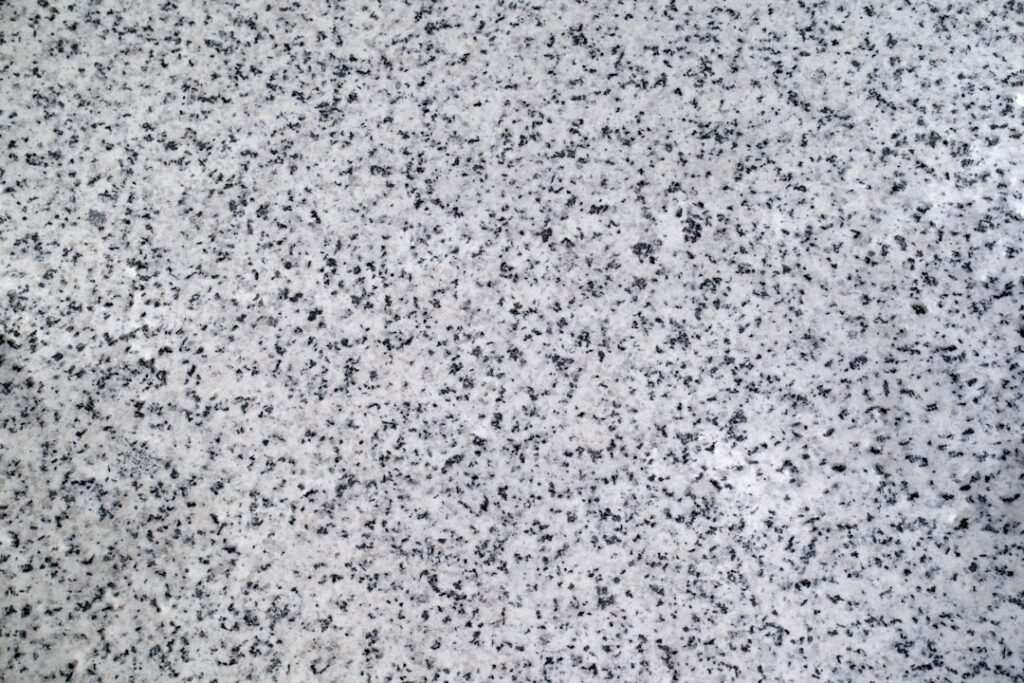
When homeowners weigh their two most popular countertop options, the deciding factor often comes down to the quartz vs granite price comparison, and the answer is less clear-cut than most expect. Both materials overlap heavily in cost, and the cheapest version of one can easily beat the premium version of the other. Knowing what drives the price of each, and where they genuinely differ, lets you budget realistically and avoid overpaying. This guide breaks down typical price ranges, installation costs, and the factors that move the needle in either direction.
Part of our Countertops guide — explore the full guide →
The Quick Answer
On average, quartz and granite land in a similar price range, and for many projects the total cost is close enough that the decision should rest on looks and maintenance rather than dollars alone. Granite can be cheaper at the low end because basic, widely available colors are inexpensive, while exotic granite slabs can cost more than most quartz. Quartz tends to be more consistent in price because it is manufactured rather than quarried.
Quartz Price Ranges
Quartz is an engineered stone made from ground natural quartz bound with resin and pigments. Because it is manufactured, pricing is fairly predictable.
- Material runs roughly $50 to $120 per square foot installed for most lines.
- Budget and standard colors sit at the lower end.
- Premium designer patterns, especially those mimicking marble veining, reach the higher end.
You pay for the brand, the pattern complexity, and the thickness, but you avoid the wild swings that come with rare natural stone.
Granite Price Ranges
Granite is a natural stone, so its price depends heavily on rarity, origin, and the drama of the pattern.
- Material runs roughly $40 to $100 per square foot installed for common colors.
- Basic, widely quarried granites are among the most affordable stone countertops available.
- Rare colors, dramatic movement, and exotic slabs can climb well past $150 per square foot.
Because each granite slab is unique, you may pay a premium simply for an unusually beautiful piece, and pricing varies more by region and supplier than quartz does.
What Drives the Price Difference
Several factors move both materials up or down the scale.
- Color and pattern: Rare and dramatic looks cost more in both materials.
- Thickness: Standard slabs are common; thicker or built-up edges add cost.
- Edge profile: A simple eased edge is cheapest; ogee and other detailed edges add labor.
- Slab quality and grade: Higher grades with fewer flaws cost more.
- Region and supplier: Local availability and shipping affect natural stone especially.
Installation Costs
Both materials are heavy and require professional fabrication and installation. Expect installation to add roughly $10 to $40 per square foot depending on the complexity of your layout, the number of seams, cutouts for sinks and cooktops, and your local labor rates. Granite sometimes costs slightly more to fabricate because of variation in the natural stone, while quartz cuts more predictably. Always get the installed price in your quotes, since material-only comparisons can be misleading.
Long-Term Cost Considerations
Price at purchase is only part of the picture. Granite is porous and needs periodic sealing, which costs a little in product and time over the years, while quartz is non-porous and never needs sealing, lowering its long-term maintenance cost. On the other hand, granite tolerates heat better, so a hot pan is less likely to cause damage, whereas quartz can be harmed by direct high heat and may need a repair or replacement section if scorched. Factor these ongoing realities into the true cost of ownership.
Which Offers Better Value
For a budget-focused project, a common-color granite is often the most affordable natural stone you can buy, frequently beating quartz at the low end. For a low-maintenance, consistent look with predictable pricing, quartz often delivers the better long-term value despite a similar upfront cost. If you want a one-of-a-kind natural slab and do not mind sealing it, granite gives you uniqueness that engineered quartz cannot match.
Beyond Price: Other Factors That Matter
Since the price difference is often small, it is worth weighing the practical differences that will shape your daily life with the countertop. Quartz offers a uniform, predictable appearance and a vast range of colors and patterns, including convincing marble looks, which appeals to anyone who wants to know exactly what they are getting. Granite delivers natural variation and one-of-a-kind movement, so no two kitchens look alike, which appeals to those who love the character of real stone. On maintenance, quartz never needs sealing, while granite needs periodic resealing to stay stain resistant. On durability, both are very hard and scratch resistant, but granite handles direct heat better, whereas quartz can be damaged by a hot pan set straight on the surface. Letting these everyday realities guide you often matters more than a modest gap in price.
The Bottom Line
How to Get an Accurate Quote
Comparing prices fairly means comparing the same scope, so insist that every quote includes the same details. Provide the fabricator with your square footage, the number and type of cutouts for sinks, faucets, and cooktops, your chosen edge profile, and the backsplash treatment. Ask whether template, fabrication, delivery, removal of the old countertop, and plumbing reconnection are included, because line items left out of a low quote often reappear as add-ons later. For granite, the price can depend on the specific slab you select at the yard, so view the actual stone rather than relying on a sample chip. Getting two or three itemized, installed quotes is the only reliable way to know whether quartz or granite is truly cheaper for your project.
Ways to Save on Either Material
If budget is the deciding factor, several strategies trim the cost of both quartz and granite. Choosing a standard, widely available color avoids the premium charged for rare patterns. Selecting a simple eased or beveled edge instead of an ornate ogee reduces fabrication labor. Keeping your layout straightforward, with fewer seams and cutouts, lowers the work involved. Asking about remnant slabs is especially worthwhile for small projects like a bathroom vanity or island, since fabricators sell leftover pieces at a discount. Finally, scheduling during a slower season or bundling the countertop with other work can sometimes earn a better installed rate, narrowing the price difference between the two materials even further.
The quartz vs granite price gap is smaller than its reputation suggests, with both materials overlapping across a wide range. Granite can win on the lowest budgets and on heat resistance, while quartz wins on consistent pricing and zero sealing maintenance. Get installed quotes for the specific slabs and edges you want, weigh the maintenance over time, and let the final decision come down to the look you love rather than a small difference in price.


