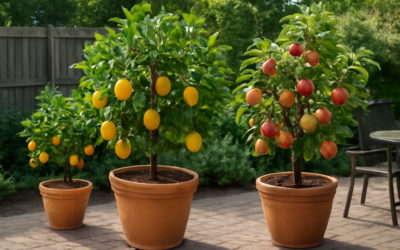
A standard apple seedling can take eight to ten years to bear its first real crop, which is a long time to wait for a pie. Quick producing fruit trees close that gap to one to three years by combining naturally precocious species, dwarfing rootstocks and older nursery stock. Figs, peaches, nectarines, dwarf apples and many citrus trees can all deliver a usable harvest within three seasons of planting when they get full sun and decent care.
The quickest fruit to grow is not actually a tree at all: strawberries, raspberries and blueberries can produce in their first or second season. Among true trees, figs and peaches usually come first, followed by dwarf apples and pears on precocious rootstocks, then citrus, cherries and plums. How you buy the plant matters too. A large potted tree that is already three years old will fruit sooner than a young bare-root whip of the same variety.
- Quick Producing Fruit Trees Ranked by Years to First Harvest
- The Fastest Trees in Detail
- How Bare-Root vs Potted Stock Changes Timing
- What Speeds Up First Harvest
- Planning a Small Fast-Fruiting Orchard
- Tools and Supplies
- Troubleshooting Trees That Will Not Fruit
- Cost Ranges
- When to Call a Pro
- Frequently Asked Questions
This ranking is based on typical years from planting to a meaningful crop in a home garden, with notes on what speeds things up or slows them down.
Quick Producing Fruit Trees Ranked by Years to First Harvest
| Plant | Typical first harvest | Notes |
|---|---|---|
| Strawberries, raspberries | Year 1 to 2 | Everbearing types fruit the first summer |
| Fig | Year 1 to 2 | Many varieties fruit on new wood |
| Peach, nectarine | Year 2 to 3 | Self-fruitful, very precocious |
| Blueberry | Year 2 to 3 | Light crops early, full crops by year 4 to 5 |
| Dwarf apple | Year 2 to 3 | Depends heavily on rootstock |
| Citrus (grafted) | Year 1 to 3 | Potted trees often fruit the first year |
| Dwarf pear | Year 3 to 4 | Quince rootstock speeds bearing |
| Plum, sour cherry | Year 3 to 4 | Sour cherries are self-fruitful |
| Sweet cherry | Year 3 to 5 | Dwarfing rootstock helps |
The Fastest Trees in Detail
Figs
Figs are the closest thing to instant gratification in the tree world. Many common varieties produce a main crop on the current season’s growth, so even a small rooted cutting can set fruit in its first or second summer. They are self-fruitful, need no pollinator and thrive in zones 7 to 10, with cold-hardy types surviving zone 6 with winter protection. In colder climates, a fig in a large container that winters in an unheated garage still fruits reliably.
Peaches and Nectarines
Peaches are naturally precocious. A one-year-old grafted tree planted in spring often flowers in year two and bears a modest crop in year three. Most varieties are self-fruitful. The tradeoff is a shorter lifespan (15 to 20 years) and a need for annual pruning and pest management, since peaches are prone to leaf curl and borers. Genetic dwarf peaches stay under 6 feet and fruit just as fast.
Dwarf Apples
Rootstock decides how quickly an apple bears. On a full-size seedling rootstock, expect six to ten years. On a dwarfing rootstock, the same variety can fruit in year two or three. Dwarf apples stay roughly 8 to 10 feet tall and need staking or a trellis because their root systems are small. Most apples need a compatible pollinator variety that blooms at the same time, so plan on two trees or a neighbor’s apple or crabapple within a few hundred feet.
Citrus
Grafted citrus trees, such as Meyer lemons, kumquats, limes and mandarins, often arrive with flowers or small fruit already on them. In zones 9 to 11 they grow outdoors. Elsewhere they make excellent container plants that move indoors when temperatures drop below about 35°F. Trees grown from seed can take seven years or longer, so always buy grafted stock.
How Bare-Root vs Potted Stock Changes Timing
The age and form of the tree you plant can add or subtract a full year or more from the wait.
- Bare-root whips (one year old): the least expensive and often the healthiest long-term, because roots establish quickly in native soil. Expect the full timeline in the ranking, sometimes one extra year while the tree builds structure.
- Bare-root branched trees (two years old): already have scaffold branches, saving roughly a year on fruiting.
- Potted or container trees (two to four years old): often flower the first spring after planting. They cost more and can have circling roots, so inspect and loosen the root ball before planting.
- Balled-and-burlapped larger trees: may fruit sooner still, but transplant shock can cause a season of reduced growth.
One counterintuitive tip: removing fruit in the first year, especially on young bare-root trees, often leads to a bigger, healthier tree and larger crops in years two and three. Letting a tiny tree carry heavy fruit can stunt it.
What Speeds Up First Harvest
- Choose precocious rootstocks. Ask the nursery which rootstock a tree is grafted on. Dwarf and semi-dwarf rootstocks bear years sooner than seedling stock.
- Plant in full sun. At least 6 to 8 hours of direct sun is needed for flower bud formation.
- Match chill hours to your climate. Peaches, apples and cherries need a certain number of hours below about 45°F in winter. A low-chill variety in a cold zone (or the reverse) may grow but fail to fruit.
- Provide a pollinator. Cross-pollinated trees without a partner will bloom and drop flowers with no fruit.
- Water consistently. Deep weekly watering for the first two seasons builds roots that support fruit.
- Avoid excess nitrogen. Too much fertilizer pushes leafy growth at the expense of flower buds.
- Prune lightly and correctly. Heavy pruning delays fruiting. Shape the tree in late winter, and train branches toward a horizontal angle, which encourages flower buds.
Planning a Small Fast-Fruiting Orchard
If you have room for only three or four quick producing fruit trees, mix species so harvests are spread across the season. A practical combination for zones 6 to 8 is one fig, one peach or nectarine and a pair of dwarf apples that pollinate each other. That lineup can put fruit on the table from early summer peaches through late summer figs and fall apples, all within roughly three years of planting.
Space dwarf apples about 8 to 10 feet apart, peaches 12 to 15 feet apart and figs 10 feet from other trees. In small yards, espalier or cordon training against a fence lets dwarf apples and pears fit into a strip only 2 feet deep, and trained trees often bear sooner because their branches are held near horizontal.
Tools and Supplies
- Spade and garden fork for planting holes
- Tree stake and soft ties for dwarf trees
- Mulch (wood chips) for a 3-foot ring around the trunk
- A sharp fruit tree pruning saw for branches thicker than about an inch, plus bypass hand pruners for smaller cuts
- Soaker hose or slow-release watering bag
- Large containers (15 gallons or more) for figs and citrus in cold areas
- Tree guards to protect young trunks from rabbits, voles and string trimmers
Troubleshooting Trees That Will Not Fruit
- Lots of leaves, no flowers: usually too much nitrogen, too much shade or a tree that is still too young for its rootstock.
- Flowers but no fruit: missing pollinator, late frost killing blossoms, or rainy weather keeping bees inactive during bloom.
- Fruit drops when small: natural thinning (normal), drought stress, or insect damage. Thin excess fruit yourself to leave one fruit every 6 to 8 inches.
- Heavy crop one year, none the next: called biennial bearing, common in apples. Thinning fruit early in heavy years evens it out.
- Fig fruit stays green and hard: the season was too short or cool. Grow early-ripening varieties or a container fig you can move to a warm spot.
Cost Ranges
Quick producing fruit trees are not necessarily more expensive than slow ones; the price mostly tracks age and size. Bare-root fruit tree whips are usually the cheapest option, often in the range of a few tens of dollars each from mail-order nurseries in late winter. Potted trees at garden centers typically cost more, from the mid tens to over a hundred dollars depending on size and age. Larger multi-year specimens and grafted citrus in big containers can run higher. Plan a small budget for stakes, mulch and tree guards.
When to Call a Pro
Most homeowners can plant and care for fruit trees on their own. Consider a certified arborist or orchard consultant if you are planting many trees, dealing with persistent disease such as fire blight or peach leaf curl, or restoring an overgrown older orchard. Your local extension office can recommend varieties and rootstocks proven in your climate, and many offer soil testing so you can correct pH and nutrients before planting.
Frequently Asked Questions
What is the quickest fruit to grow at home?
Everbearing strawberries and raspberries can fruit in their first season. Among trees, figs often fruit in year one or two, followed closely by peaches and grafted citrus.
Do dwarf fruit trees produce faster than standard trees?
Yes. Dwarfing rootstocks trigger flowering years sooner, often in the second or third season, compared with six to ten years for apples on full-size seedling rootstock.
Will a potted fruit tree fruit the first year?
Older potted trees, especially citrus and figs, often fruit the first year. Many growers remove first-year fruit on young trees so energy goes into roots and branches.
Do I need two trees to get fruit?
Figs, peaches, nectarines, sour cherries and most citrus are self-fruitful. Most apples, pears, sweet cherries and many plums need a compatible pollinator nearby.
Can I grow fruit trees from grocery store seeds?
You can, but seedlings may take seven years or more to fruit and rarely match the parent fruit. Grafted nursery trees are the reliable route to quick, true-to-type harvests.