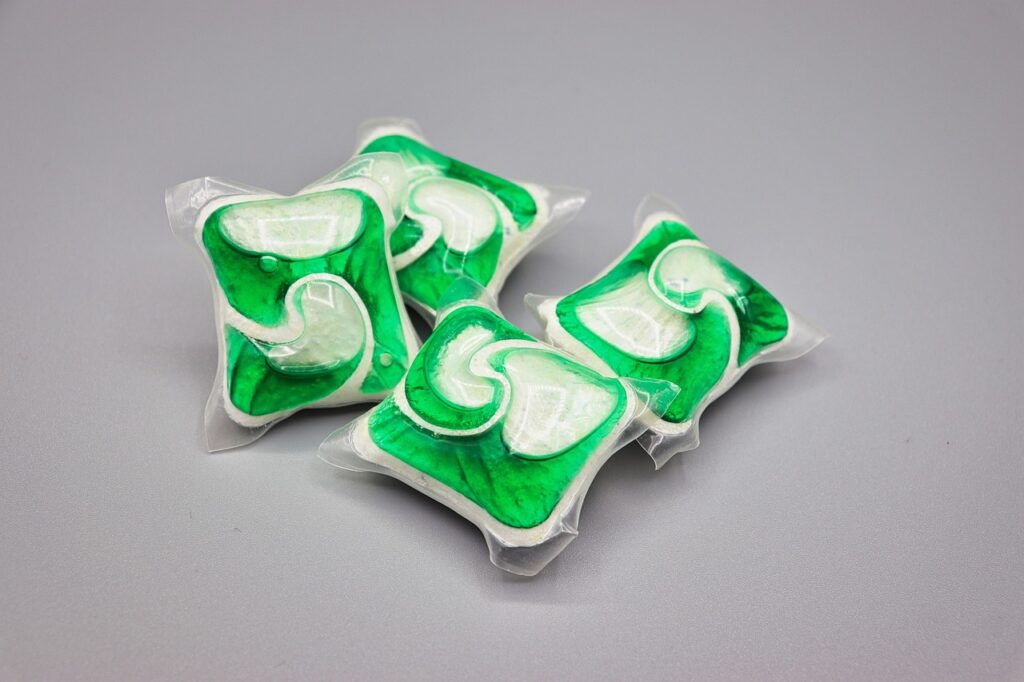
It happens to everyone: a full load of dirty dishes, the door closed, and an empty box where the detergent should be. If you’ve ran out of dishwasher pods, your first instinct might be to grab the bottle of liquid dish soap by the sink. Don’t. That single substitution is the most common cause of a kitchen floor buried under a mountain of suds. This guide explains why regular dish soap is a trap, which stopgaps are genuinely safe, and how to get a usable load done until you can restock.
The One Mistake to Avoid: Regular Dish Soap
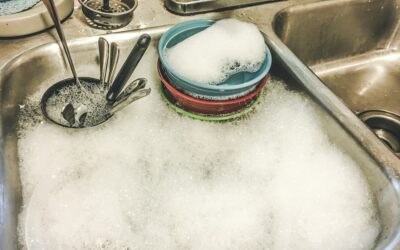
Hand dish soap and dishwasher detergent are formulated for completely different jobs. Hand soap is designed to create thick, long-lasting foam. A dishwasher, by contrast, sprays water at high pressure and agitates it for the entire cycle. Put foaming hand soap in that environment and it whips into an enormous volume of bubbles that overflow the machine, spread across your floor, and can work into the pump and door seals.
This isn’t a myth or an exaggeration. Even a small squirt of Dawn, Palmolive, or any standard dish liquid can flood a kitchen. Automatic dishwasher detergent is specifically a low-foaming, or non-foaming, formula for exactly this reason. So the honest, safety-first answer is simple: do not pour liquid hand dish soap into the detergent cup.
Why People Get Tempted Anyway
You’ll find advice online suggesting “just a drop or two” of dish soap. It’s risky and hard to control. The amount that’s safe is so small it’s tough to measure, and the consequences of overdoing it are messy and potentially damaging to the appliance. Because the downside is so much larger than the convenience, it’s better to skip dish soap entirely and use one of the cleaner workarounds below.
Safer Stopgap Options
If you need to run the machine and have no pods, tablets, powder, or gel on hand, these approaches are far less likely to cause a foam disaster. None of them clean as well as real dishwasher detergent, so treat them as a one-time bridge, not a routine.
Baking Soda With a Tiny Bit of Dish Liquid
Baking soda is a mild abrasive and deodorizer that does not foam. Add about 2 tablespoons of baking soda to the detergent cup. Some people add a single small drop, no more, of dish liquid to help cut grease, but understand that even one drop adds risk. The safest version uses baking soda alone or paired with washing soda. Run a normal cycle and check partway through that suds aren’t building up.
Baking Soda Plus Borax or Washing Soda
If you keep borax or washing soda (sodium carbonate) for laundry, you have a workable improvised detergent. Combine roughly 1 tablespoon of baking soda with 1 tablespoon of borax or washing soda in the cup. This mix boosts cleaning power and water softening without the foaming problem. Keep these products away from children and pets, and wash hands after handling.
Distilled White Vinegar in the Rinse Cup
Vinegar won’t clean grease on its own, but adding it to the rinse-aid compartment, or placing a small heatproof cup of vinegar on the top rack, helps cut spots and film on glassware. Pair it with the baking soda approach above for a more complete clean. Never combine vinegar with any bleach-based product.
How to Get the Best Clean From a Stopgap
Improvised detergents don’t have the enzymes and surfactants that make real dishwasher products cut baked-on food, so help them along. Scrape and rinse plates well before loading, since the baking-soda approach won’t dissolve heavy food residue the way a proper pod can. Run the hottest cycle your machine offers, because hotter water does more of the cleaning work when the detergent is weaker. Don’t overload the racks; leaving space lets water reach every surface, which matters more when your cleaning agent is mild.
It also helps to clean the dishwasher itself first if it’s been a while. A machine with a clogged filter or mineral buildup cleans poorly even with good detergent, so a quick filter rinse improves results on a low-power stopgap load. And keep a close eye on the first improvised cycle. If you see foam building behind the door window, stop the machine, open it carefully, and scoop out suds before continuing, which prevents an overflow.
When to Just Wash by Hand
For a single load, hand-washing is often the simplest and most reliable answer. Use your normal dish soap in the sink, where foam is exactly what you want, and you’ll get genuinely clean dishes with zero risk to your machine. Reserve the dishwasher run for when you have a proper detergent substitute and a larger load that makes it worthwhile.
Quick Reference: Safe vs. Unsafe
- Unsafe: liquid hand dish soap, foaming hand soap, body wash, shampoo, or laundry detergent in the dishwasher.
- Safer stopgap: baking soda, baking soda plus borax or washing soda, with vinegar in the rinse compartment.
- Best fallback: wash by hand in the sink with your regular dish soap.
What to Stock So It Doesn’t Happen Again
Once you’ve gotten through the immediate crunch, keep a backup that doesn’t expire quickly. Powder and gel dishwasher detergents store well and let you adjust the dose, which is handy when you’re running low. A small jug of plain white vinegar doubles as a rinse aid and a monthly machine cleaner. Many homeowners keep a spare box of pods tucked behind the main one and write “restock” on the shopping list the moment they open the last pack.
Keep your homemade and backup options labeled and within reach so a missing box never becomes a real problem. A small canister of baking soda, a box of borax or washing soda, and a jug of white vinegar cover both emergency dishwashing and a dozen other household cleaning tasks, so they earn their shelf space and pull double duty all over the house.
Running out is no emergency. The only real hazard is reaching for foaming soap, and now you know to leave it on the sink. Use baking soda with borax or washing soda for a quick machine run, lean on hand-washing when in doubt, and restock with a long-shelf-life detergent so the empty box never strands you again.