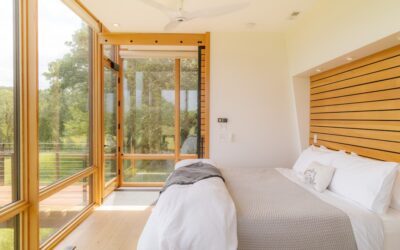
Finding a good reading light for bed seems simple until you realize how many things can go wrong — too bright and it wakes your partner, too dim and you strain your eyes, wrong color temperature and you cannot fall asleep afterward. The right bedside reading light delivers focused illumination exactly where you need it while keeping the rest of the room dark. Prices range from $12 for a basic clip-on to $150 for a premium wall-mounted fixture.
Clip-On Book Lights
Clip-on lights attach directly to your book or e-reader and direct a narrow beam onto the page. They are the least disruptive option for shared bedrooms since the light cone rarely extends beyond the reading material. The Mighty Bright XtraFlex2 ($15) and LuminoLite rechargeable ($20) are popular choices with adjustable necks and multiple brightness levels.
Look for models with warm LED chips rated between 2,700K and 3,000K. Cool white LEDs above 4,000K suppress melatonin production and make it harder to fall asleep after you put the book down. Battery-powered clip-ons last 20 to 40 hours per charge, while USB-rechargeable models eliminate the cost of replacement batteries.
Wall-Mounted Swing-Arm Lights
Swing-arm wall sconces mount at headboard height and extend outward on articulated arms. They free up nightstand space and offer more powerful illumination than clip-ons. The arm swings back flat against the wall when not in use, keeping the bedroom looking clean.
Hardwired models require an electrician for installation ($100 to $200 for labor), but plug-in versions simply mount with screws and run a cord to the nearest outlet. The Globe Electric Berkeley plug-in swing-arm ($35) and the Kenroy Home Thrust wall swing ($65) both feature directed shades that keep light focused on the reading area.
Rechargeable Bedside Lamps
Cordless rechargeable lamps sit on your nightstand and offer the flexibility to move them wherever you need light. Many feature touch-dimming controls so you can adjust brightness without fumbling for a switch in the dark. A single charge typically lasts 8 to 20 hours depending on brightness level.
The AUKEY rechargeable lamp ($30) and Baseus clip-on desk lamp ($25) both work well as a reading light for bed. Look for models with at least 3 dimming levels — bright for detailed reading, medium for general use, and a low night-light mode for getting up without full illumination.
Headboard-Integrated LED Strips
LED strip lights installed behind or beneath a headboard create ambient reading illumination without any visible fixture. Adhesive-backed strips from Govee or Philips Hue cost $15 to $50 for a 6-foot length and connect to smart home systems for voice or app control.
The downside is that strip lights illuminate a wider area than focused reading lights, which may bother a sleeping partner. Position them behind the headboard pointing upward to create indirect light that bounces off the wall and ceiling. This reduces glare while providing enough ambient light for comfortable reading at arm’s length.
Key Features to Compare
Not all reading lights perform equally. Prioritize these features when shopping:
- Color temperature: 2,700K to 3,000K for warm, sleep-friendly light
- Lumens: 50 to 100 lumens for focused reading, 200+ for broader illumination
- Dimming: At least 3 levels, ideally with stepless dimming
- Beam angle: Under 45 degrees keeps light focused on your reading material
- CRI rating: 80+ for accurate color rendering on printed pages
- Neck flexibility: Gooseneck or ball-joint adjustments let you fine-tune the light angle
Best Options for Shared Bedrooms
When your partner sleeps while you read, beam control is everything. Clip-on book lights with narrow 15-degree beams cause the least disruption. Wall-mounted fixtures with opaque directional shades rank second — they light a slightly larger area but still keep most of the room dark.
Avoid table lamps with translucent shades. Even at low brightness, they scatter light across the entire nightstand area and ceiling. If you prefer a table lamp aesthetic, choose one with a solid shade and a downward-facing opening that traps light on the reading surface below.
Installation and Placement Tips
Mount wall-mounted reading lights 48 to 52 inches above the floor, which puts the light at approximate shoulder height when sitting up in bed. Position the fixture 6 to 12 inches to the side of your pillow so the light falls on your lap where you hold reading material.
For clip-on lights, attach them to the top edge of your book rather than the bottom. Top-mounted lights cast downward naturally and create fewer shadows from your hands. If you read on a tablet, use a reading light for bed rather than relying on the screen’s backlight alone — external illumination reduces eye strain by minimizing the contrast between the bright screen and the dark room.
Consider your reading habits when choosing placement. Side sleepers who read while lying down benefit from a flexible gooseneck light that bends to follow their position. Back sleepers who sit propped against the headboard get the most value from a wall-mounted swing-arm that arcs over their shoulder. Whichever reading light for bed you choose, test the beam angle before committing to permanent installation — hold a flashlight at the planned mounting height and aim it at your reading position to verify that the light falls where you need it without spilling onto your partner’s side of the bed.