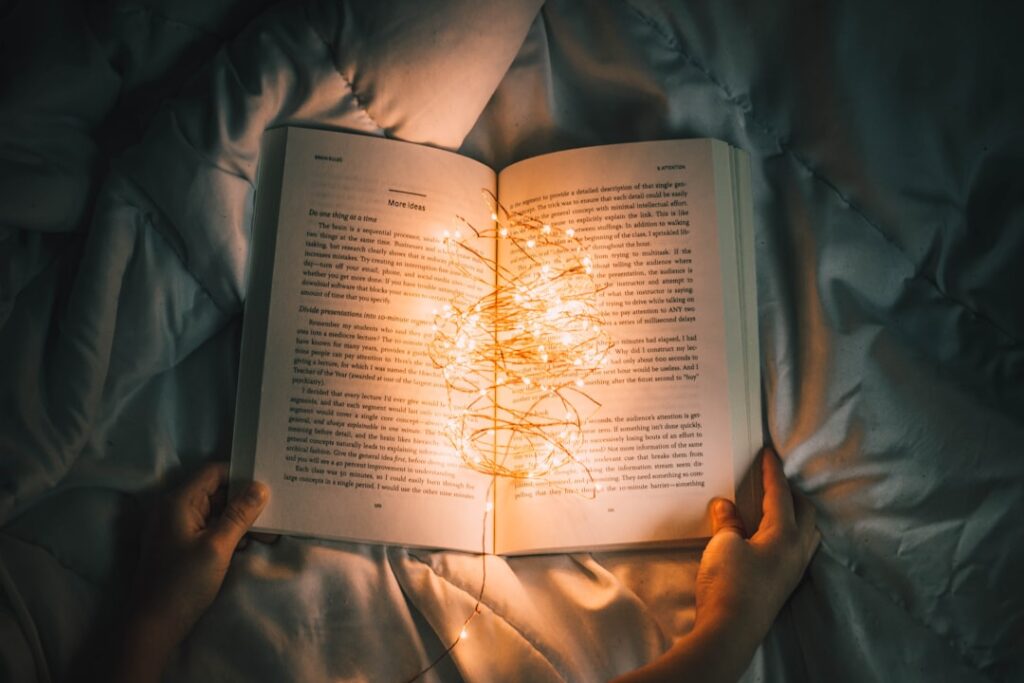
There is a particular kind of frustration in wanting to finish one more chapter while your partner is already asleep beside you. The best book light for reading in bed solves that problem elegantly, throwing a focused, adjustable pool of light onto your page without flooding the whole room or waking anyone. After testing clip lights, neck lights, and headlamps across countless late nights, I have learned that the right one comes down to a handful of specs most shoppers overlook.
- Why a Dedicated Book Light Beats Your Phone or Lamp
- Color Temperature: The Spec That Matters Most
- Brightness and Dimming Control
- Clip Lights: The Classic Choice
- Neck Lights and Wearable Options
- Matching the Light to Your Reading Style
- Battery, Charging, and Durability
- Beam Shape, Glare, and Eye Comfort
This guide breaks down what actually matters, from color temperature and brightness to clip strength and battery life, and then translates those specs into the styles worth your money. Whether you read hardcovers, paperbacks, or a backlit e-reader, there is a light that fits your habit, and getting it right means better sleep for both of you.
Why a Dedicated Book Light Beats Your Phone or Lamp
Reaching for a phone flashlight or a bright bedside lamp seems easier, but both work against you. Overhead and lamp light spills across the entire room, keeping a sleeping partner awake and signaling to your own brain that it is still daytime. A dedicated book light concentrates a small beam exactly where you need it, on the page, and nowhere else.
The bigger issue is blue light and sleep. Screens and cool white bulbs emit wavelengths that suppress melatonin, the hormone that makes you drowsy. A good book light lets you choose a warm, amber-leaning tone that is far kinder to your circadian rhythm. You get to keep reading the way you enjoy without paying for it with a restless night, which is the entire point of reading in bed in the first place.
Color Temperature: The Spec That Matters Most
If you remember one thing from this guide, make it color temperature, measured in Kelvin. Cool white light around 6,000K looks crisp and bright but is the worst choice at bedtime because it hits your eyes with sleep-disrupting blue wavelengths. Warm light in the 2,700K to 3,000K range glows amber, relaxes the eyes, and interferes far less with melatonin production.
The best modern book lights offer three selectable tones: a warm amber for winding down, a neutral white around 4,000K for detailed reading, and a cool white for daytime use. Having the option matters because your needs shift. Late at night you want the warmest setting; on a gray afternoon you might want something crisper. Any light that locks you into a single harsh cool tone belongs back on the shelf. Look specifically for models advertising an “eye-care” or amber night mode, and confirm the warmest setting is genuinely 3,000K or below.
Brightness and Dimming Control
Brightness on these small lights is modest by design, typically 10 to 100 lumens, and that is plenty for a page held 12 to 18 inches from your eyes. What separates a great light from a mediocre one is stepless dimming, the ability to slide smoothly from a barely-there glow to full output rather than jumping between two or three fixed levels.
Adjustability protects your sleep and your partner’s. On the lowest setting, a quality light casts just enough to read a paperback while leaving the rest of the bed in near darkness. If your partner stirs, you dial it down further instead of switching it off entirely. Fixed-brightness lights force a compromise: too dim to read comfortably, or bright enough to disturb. Memory function is a nice bonus, so the light returns to your preferred level instead of blasting on at maximum every time.
Clip Lights: The Classic Choice
The traditional clip-on book light remains the most popular style for good reason. A spring-loaded or ratcheting clamp grips the cover or spine, and a flexible gooseneck lets you aim the LED head precisely at the page. The best clip lights use a gooseneck 6 to 10 inches long, stiff enough to hold position but bendable enough to reposition as you turn pages.
Clip strength is the make-or-break detail. A weak clip slides off a thick hardcover or fails to grip an e-reader, while an overbuilt one can dent a soft paperback cover. Look for a padded, rubberized clamp that opens to at least an inch. Rechargeable clip lights with a 1,000 to 1,500 mAh battery run 20 to 60 hours per charge depending on brightness, and recharge over USB-C in a couple of hours. Expect to spend $15 to $30 for a well-made one.
Neck Lights and Wearable Options
For readers who shift positions or hold their book in their lap, a neck light offers hands-free flexibility a clip cannot. This style drapes around your neck like a horseshoe, with two adjustable arms ending in LED panels that point down and inward toward whatever you are reading. Because the light moves with you, there is nothing to reposition when you roll onto your side.
Neck lights typically offer wider, softer illumination than a pinpoint clip, which suits people who find a tight beam harsh. Many include independent left and right arm control, so you can light just one side. The lightweight silicone body, usually around 3 ounces, sits comfortably for hours. Battery life runs 8 to 20 hours, and prices land in the $18 to $35 range. The main downside is that some sleepers find anything around the neck distracting, so it comes down to personal preference.
Matching the Light to Your Reading Style
Choosing the best book light for reading in bed really means matching the tool to how you read. If you read physical hardcovers propped on a pillow, a clip light with a strong clamp and long gooseneck is ideal. If you read a Kindle or an iPad, remember that backlit screens need no external light at all, but E Ink readers without a built-in front light benefit from a slim clip that grips the thin device.
Position matters as well. Side sleepers who read curled up often prefer a neck light because it stays aimed no matter how they turn, while back readers do fine with a clip anchored to the book. Consider your partner too: if they are a light sleeper, prioritize a model with a true amber mode and the lowest possible dim setting, and aim the beam so no light leaks toward their side of the bed.
Battery, Charging, and Durability
Nobody wants a book light that dies mid-chapter, so battery details deserve attention. Rechargeable lithium models have largely replaced coin-cell versions, and the good ones use USB-C charging, which is faster and more universal than older micro-USB ports. A battery indicator light saves you from surprise shutdowns, and pass-through charging lets you read while plugged in on nights you forgot to top it off.
Build quality shows in the hinges and the switch. Cheap lights fail at the gooseneck or the clip spring long before the LED wears out, since quality LEDs last 20,000 hours or more. A silicone-wrapped clamp resists cracking, and a recessed or flush power button prevents the light from switching on inside your bag and draining. Spending a few extra dollars on a reputable model usually buys years of nightly use, which makes the best book light for reading in bed one of the cheapest quality-of-life upgrades in the whole house.
Beam Shape, Glare, and Eye Comfort
Two lights with identical lumen ratings can feel completely different depending on how they diffuse the beam. A bare, exposed LED throws a harsh point of light that creates hot spots and glare on glossy pages, tiring your eyes within minutes. Better designs place a frosted lens or a small diffuser panel over the LED, spreading the output into an even wash that covers a full page without bright and dark patches.
Beam angle plays into this as well. A tight 30-degree cone lights only part of a large hardcover, forcing you to reposition the head as you read down the page, while a wider 60- to 90-degree spread covers the whole spread at once. If you read oversized books or two-page layouts, favor a wider beam or a light with two adjustable heads. Anti-glare is not marketing fluff here; a well-diffused, warm beam is the single biggest factor in whether you can read comfortably for an hour or start rubbing your eyes after fifteen minutes.