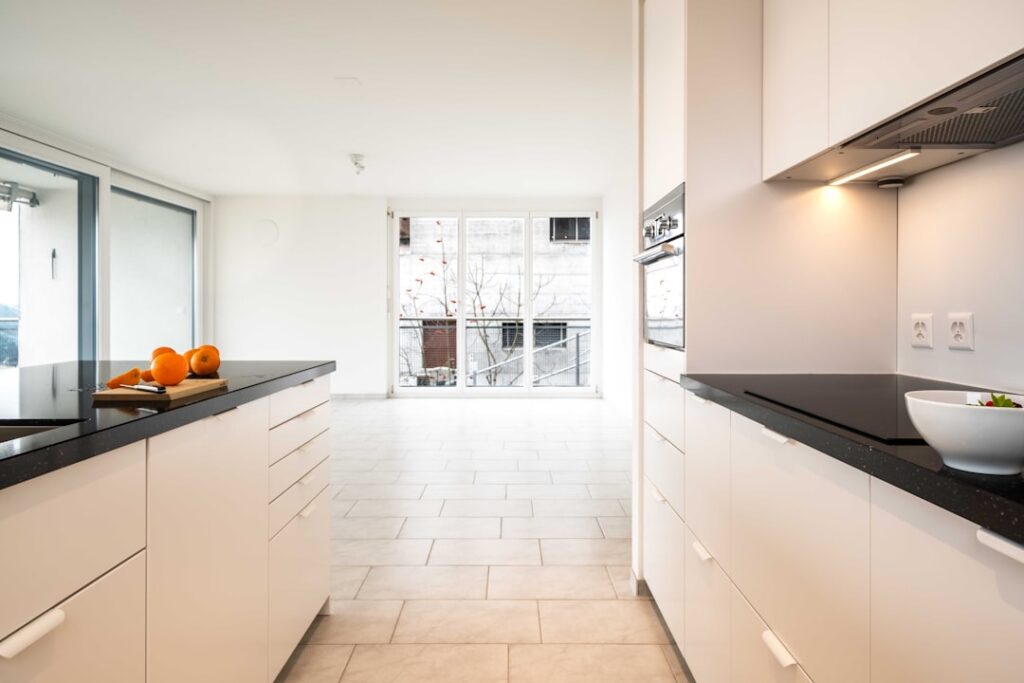
Contractors, HGTV shows, and homeowners use “renovation” and “remodel” interchangeably, but the distinction matters when you’re pulling permits, getting insurance quotes, or deciding a budget. The renovation vs remodel question comes down to scope: renovation restores or updates what already exists, while remodeling changes the structure, function, or layout of the space. A kitchen renovation might mean new cabinets and countertops in the same footprint for $18,000. A kitchen remodel might mean removing a wall, relocating the sink, and adding an island for $65,000. Understanding the difference prevents budget surprises and misaligned expectations with your contractor.
The Core Definition
Renovation comes from the Latin “renovare” meaning to renew. The work restores, refreshes, or upgrades existing elements without changing their function or layout. Painting, refinishing floors, replacing light fixtures, updating appliances, and replacing worn-out roofing all qualify as renovation.
Remodel means “to model again” — changing the shape, structure, or function of a space. Converting a bedroom into a bathroom, knocking down a wall between kitchen and dining room, or adding a second story all qualify as remodels. The common thread is structural or layout change that goes beyond surface-level updates.
Cost Differences
Renovations typically cost 30-60% less than equivalent remodels of the same room because they reuse existing plumbing, electrical, HVAC, and structural work. A bathroom renovation (new vanity, tile, fixtures in the same layout) runs $8,000-$18,000. A bathroom remodel (relocated plumbing, expanded footprint, added features) runs $22,000-$55,000.
The hidden costs in remodeling stem from discovery issues: behind walls, contractors find old wiring, undersized plumbing, hidden rot, or failed waterproofing that must be addressed before proceeding. Renovations rarely reveal these surprises because the bones of the room aren’t disturbed.
Permit Requirements
- Cosmetic renovation (paint, flooring, fixtures): usually no permit
- Kitchen cabinet replacement without plumbing relocation: no permit in most jurisdictions
- New countertops, appliances in existing locations: no permit
- Minor electrical updates (outlets, switches): permit required in most states
- Any remodel affecting load-bearing walls: permit required
- Plumbing relocation or gas line work: permit required
- Additions, major layout changes: permit and engineering stamp required
Check with your local building department before starting. Unpermitted remodeling work causes problems during home sale, voids homeowner’s insurance on resulting damage, and can force demolition if discovered during inspection.
Timeline Differences
A typical kitchen renovation runs 2-4 weeks from demo to move-in. The same space remodeled with wall removal, new plumbing, and expanded square footage runs 8-16 weeks. Bathroom renovations hit 2-3 weeks; remodels extend to 6-10 weeks.
The longer timeline in remodels comes from permit approvals (2-8 weeks), inspections at multiple stages (rough plumbing, rough electrical, framing, final), and the sequential nature of structural work where each trade must complete before the next begins.
Return on Investment
Renovations typically recoup 60-80% of their cost at resale according to Remodeling Magazine’s annual Cost vs Value report. Replacing a worn roof, refinishing hardwood floors, or updating bathroom fixtures returns most of the investment while making the home more attractive to buyers.
Remodels recoup 50-75% but often unlock higher sale prices by appealing to a different buyer segment. A modest 3-bedroom ranch with a remodeled kitchen-dining great room can sell to buyers who wouldn’t have considered the original layout. The dollar return looks similar; the buyer pool expands.
When Renovation Makes Sense
If the existing layout works well and the space just looks tired, renovation delivers the biggest bang for the buck. Solid cabinetry that needs new paint and hardware, hardwood floors needing refinishing, or a bathroom with functional plumbing but ugly fixtures all benefit from renovation rather than remodel.
Short-term owners planning to sell within 3-5 years should lean toward renovation. The payback comes faster, disruption is lower, and buyers respond well to move-in-ready condition even if the layout is dated.
When Remodeling Makes Sense
If the existing layout fails for your lifestyle (tiny galley kitchen, one cramped bathroom, closed-off floor plan), no amount of renovation fixes it. Families needing open kitchens for entertaining, aging-in-place homeowners needing wider doorways, or couples wanting a primary bath suite must remodel.
Long-term owners planning 10+ years in the home get their full value from remodeling. Over a decade of use, the daily quality-of-life improvement justifies the higher cost even if the full investment doesn’t return at eventual sale.
Hybrid Projects
Most real-world projects blend both. A “kitchen renovation” that removes one non-load-bearing wall for better flow becomes partly a remodel. A “bathroom remodel” that reuses existing plumbing locations is closer to a renovation. Don’t get hung up on terminology — focus on what actually changes and what remains.
Contractors estimate hybrid projects by the mile: structural changes, plumbing relocations, and electrical upgrades drive cost. Surface finishes and fixtures are relatively predictable. Get line-item quotes rather than lump-sum pricing so you understand where the money goes.
Hiring the Right Professional
Renovation-only projects work with general handymen, specialty trades (painters, flooring installers), and design-build firms. Expect hourly rates of $40-$80 for handyman work and per-square-foot pricing for flooring or paint.
Remodels need licensed general contractors with permits, insurance, and experience in structural work. Architects or engineers get involved when load-bearing walls or additions are in scope. Interview at least three contractors, check recent references, and verify licensing through your state’s contractor board before signing.
Budget Padding
Allocate 15-20% contingency on renovation budgets and 20-30% on remodel budgets. This covers discovery issues, scope creep, and material price changes during the project. Going in with zero cushion leads to cut corners or unfinished work when surprises hit.
Final Rule of Thumb
If you could describe the scope in one sentence using “replace” or “refinish” verbs, it’s a renovation. If the description requires “move,” “add,” “remove,” or “reconfigure,” it’s a remodel. Price and timeline follow accordingly. Match the approach to your goals and stay within the boundary you’ve defined to avoid scope creep that turns affordable renovations into budget-busting remodels.