A mop and bucket will never make a neglected tile floor look new again, and buying a commercial scrubber for one project makes no sense. The smart middle ground is to rent a floor scrubber for a day, run it across your floors, and return it. For roughly the cost of a nice dinner, you can deep-clean a space that hand-mopping would take all weekend to tackle, with far better results. This guide covers the machine types, what they cost to rent, which one your floor needs, and how to actually operate one without making a mess.
- When Renting Beats Buying or Mopping
- Types of Floor Scrubbers You Can Rent
- What It Costs to Rent
- Matching the Machine to Your Floor
- How to Use a Rented Floor Scrubber
- Safety and Handling Tips
- What to Check Before You Leave the Rental Counter
- Transporting and Returning the Machine
- Getting the Most From a One-Day Rental
When Renting Beats Buying or Mopping
Renting makes sense for occasional, large, or heavy jobs. A homeowner stripping old wax off a basement floor, deep-cleaning a tile entryway before a party, or refreshing a garage slab does not need to own a machine. The same goes for a landlord turning over a unit or a small business owner doing a quarterly deep clean.
If you find yourself needing a scrubber monthly, buying a residential unit may eventually pay off. But for the once or twice a year heavy clean, renting gives you access to commercial-grade power without the storage, maintenance, and upfront cost of ownership.

Types of Floor Scrubbers You Can Rent
Rental centers and home improvement stores carry several machine styles, and the right one depends on your floor and the job:
- Rotary floor machine (single-disc buffer): A versatile workhorse that scrubs, strips, and polishes depending on the pad or brush. Great for tile, vinyl, and stone.
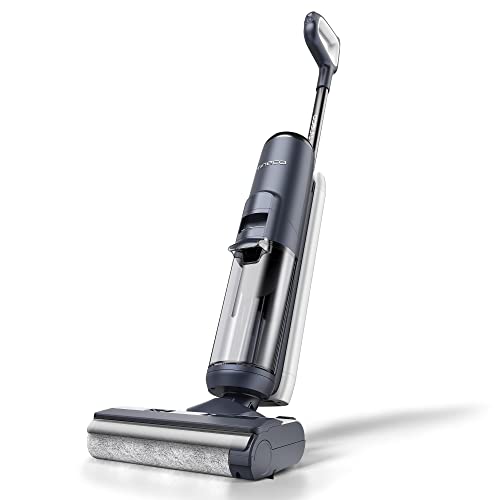
- Walk-behind auto scrubber: Scrubs and vacuums up the dirty water in one pass. Ideal for large hard-surface areas like basements and commercial floors.
- Orbital scrubber: Uses a vibrating motion that is gentler and effective for grout and textured surfaces.
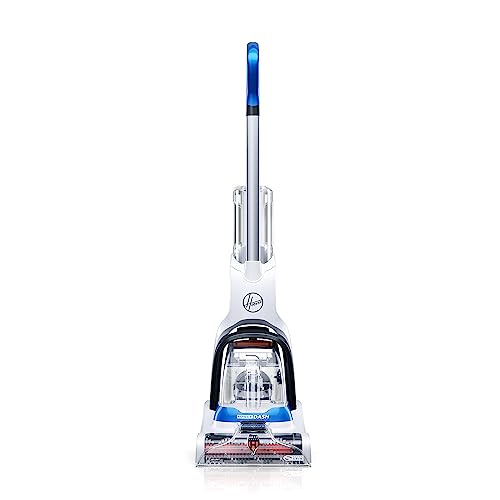
- Carpet extractor: A different machine entirely, for deep-cleaning carpet rather than hard floors. Worth mentioning so you do not grab the wrong one.
For most homeowner jobs on tile or vinyl, a rotary floor machine is the standard rental and the most flexible choice.
What It Costs to Rent
Rental pricing varies by region and machine, but the general ranges are predictable. A single-disc rotary floor machine typically rents for around $30 to $60 for a half day and $50 to $90 for a full day. Larger walk-behind auto scrubbers run higher, often $80 to $150 or more per day given their size and capability.
Budget for extras. Pads and brushes may be sold separately or included with a deposit, and you will need your own cleaning solution. A refundable deposit is common, and some shops offer weekend or weekly rates that lower the per-day cost if your project stretches out. Always confirm what is included before you load it into your vehicle.
Matching the Machine to Your Floor
This is where renters most often go wrong. The wrong pad or brush can dull or scratch a floor, so match carefully. On glazed ceramic and porcelain tile, a medium brush or a scrub pad cuts grime and brightens grout. On luxury vinyl and sheet vinyl, use a soft pad and lighter pressure to avoid scuffing the wear layer.
Natural stone like marble or travertine demands a soft brush or non-abrasive pad and a pH-neutral cleaner, never an aggressive stripping pad. Sealed concrete in a basement or garage is the most forgiving surface and can handle a stiff brush and stronger degreaser. Tell the rental staff exactly what floor you have so they hand you the correct accessory.
How to Use a Rented Floor Scrubber
Operating one is straightforward once you respect a few basics. Follow this sequence:
- Sweep or vacuum the floor completely. Grit under the brush will scratch your floor and wear the pad.
- Mix your cleaning solution per the label and apply it to a manageable section, letting it dwell a few minutes.
- Start the machine flat on the floor. A rotary buffer pulls left or right depending on lift; control direction by gently raising or lowering the handle.
- Work in overlapping passes at a slow, steady walking pace. Let the machine do the work rather than forcing it.
- Pick up the dirty water with a wet vacuum or auto scrubber before it dries, then rinse with clean water.
Take a minute to practice handle control in an open area before you get near a wall. The first few seconds always feel like the machine has a mind of its own.
Safety and Handling Tips
A floor scrubber is powerful, and a wet floor is slick, so a little caution prevents both injury and damage. Wear non-slip shoes, keep the cord behind you and out of the brush path, and never run a machine over a cord. Unplug it before changing pads or brushes. On stairs and thresholds, get help lifting; these machines are heavy and awkward.
Keep the area ventilated if you are using a strong stripper or degreaser, and protect baseboards and cabinet kicks with painter’s tape since a spinning brush can scuff them. Work away from your exit so you are not walking back across a wet, freshly cleaned floor.
What to Check Before You Leave the Rental Counter
A few minutes of inspection at the shop saves headaches at home. Confirm the machine powers on and the brush or pad spins smoothly without grinding or excessive vibration. Check that the power cord is intact with no exposed wires, and ask the staff to demonstrate how to attach and release the pad driver, since each model latches a little differently.
Ask about the solution tank if the machine has one, how to fill and drain it, and whether the squeegee or recovery system is included and working. Get clear on the rental window, the late-return policy, and exactly which accessories carry a deposit. Loading a machine into your vehicle only to discover it is missing the pad you need is a frustrating and avoidable trip back.
Transporting and Returning the Machine
Floor scrubbers are heavier than they look, often 80 pounds or more for a rotary unit, so plan the lift. Bring a helper and a vehicle that can fit the machine flat or upright without tipping it, and secure it so it does not roll during the drive. Many shops will help load it; ask rather than struggle.
Before returning it, empty and rinse any solution tanks and knock the loose debris off the pad or brush so you are not charged a cleaning fee. Return it on time and in the condition you received it to get your deposit back in full. A quick wipe-down of the machine takes two minutes and keeps the rental relationship smooth for next time.
Getting the Most From a One-Day Rental
To make a single day’s rental worthwhile, plan the work in advance. Clear furniture, sweep, and pre-treat stubborn spots before you pick up the machine so the clock starts on real scrubbing, not prep. Group all your hard-floor areas into one session, garage, basement, entryway, and laundry room, so you only pay once.
The decision to rent floor scrubber equipment instead of buying is one of the best-value cleaning decisions a homeowner can make. You get commercial results for a modest daily fee, skip the cost and storage of ownership, and leave the heavy machine behind when you are done. Pick the right machine and accessory for your floor, prep thoroughly, and a day’s rental can transform floors that years of mopping never could.
Prefer to explore on your own?
See how new flooring looks in your actual room in seconds — free, no signup.
Try the free Floor Studio →