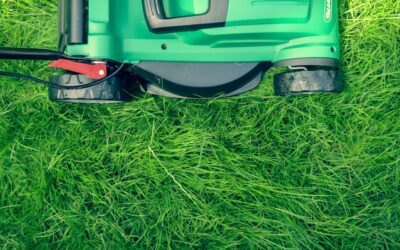
Not every lawn justifies buying a mower. If you cut grass rarely, tackle an overgrown lot once, or need a machine bigger than you own, it can be smarter to rent a lawn mower for a few hours or a day. This guide covers what rentals cost, where to find them, which type to choose, and how to decide between renting and buying.
- When Renting Beats Buying
- Where to Rent a Lawn Mower
- Typical Rental Costs
- Which Type Should You Rent?
- What You Need to Rent
- Reading the Rental Agreement
- How to Use a Rented Mower Safely
- Renting vs. Buying: The Math
- Alternatives to Renting
- Tips to Save Money
- Riding Mower Rentals Explained
- Delivery and Pickup Options
- Inspecting the Machine Before You Leave
- Renting Specialty Mowers
- Seasonal Demand and Availability
- Bottom Line
When Renting Beats Buying
Renting makes sense in several situations:
- You’re clearing an overgrown or neglected property and need a brush mower or high-powered machine you’d never use again.
- You mow only a few times a year and don’t want storage or maintenance hassles.
- Your own mower is broken and you need a stopgap for one cut.
- You’re prepping a home for sale or handling a rental turnover.
- You need a wide commercial or riding mower for acreage just once.
If you mow weekly through the growing season, buying almost always wins on cost. Renting shines for occasional, heavy, or one-off jobs.
Where to Rent a Lawn Mower
You have more options than most people realize:
- Home Depot Tool Rental: Many stores rent push mowers, self-propelled mowers, and brush cutters by the hour, day, or week.
- Lowe’s and Tractor Supply: Select locations rent outdoor power equipment.
- Local equipment rental yards: United Rentals, Sunbelt, and independent shops carry commercial mowers and riding units.
- Peer-to-peer rental apps: Neighbor-to-neighbor platforms let you borrow a homeowner’s mower at low rates.
- Hardware co-ops and Ace stores in smaller towns.
Typical Rental Costs
Prices vary by machine and region, but expect roughly:
- Push or self-propelled walk-behind mower: $30-$50 for 4 hours, $40-$70 per day.
- Wide-area or commercial walk-behind: $60-$90 per day.
- Brush mower / field-and-brush cutter: $70-$120 per day.
- Riding or zero-turn mower: $120-$250 per day.
- Weekly rates typically equal about three to four daily rates, so multi-day jobs get cheaper per day.
Most rentals also require a deposit or a hold on a credit card, and some charge a damage waiver of a few dollars.
Which Type Should You Rent?
Match the machine to the job:
- Normal grass, small-to-medium yard: A standard self-propelled walk-behind is fine and easiest to handle.
- Tall, thick grass over 8 inches: Rent a field-and-brush mower that can cut weeds, saplings, and dense growth.
- Large open acreage: A riding or zero-turn mower saves hours.
- Rough or sloped terrain: Ask for a machine rated for slopes, and consider one with larger drive wheels.
What You Need to Rent
Rental counters generally require:
- A valid government-issued photo ID.
- A credit card for payment and a security deposit.
- Minimum age of 18, sometimes 21 for larger equipment.
- Your own transport — a truck bed or trailer for riding mowers, though many walk-behinds fit a folded car seat or SUV.
Reading the Rental Agreement
Before you sign, check these details:
- Fuel policy: Most gas rentals must be returned with a full tank or you’ll pay a refueling surcharge.
- Time windows: A “4-hour” rate and a “24-hour day” are billed differently; know your clock.
- Damage waiver: Optional insurance that caps your liability if the machine is damaged.
- Late fees: Returning even an hour late can trigger another full period charge.
How to Use a Rented Mower Safely
You may be unfamiliar with the machine, so take a minute to learn it:
- Ask the staff to demonstrate the start procedure, drive controls, and blade engagement.
- Wear closed-toe shoes, long pants, and hearing and eye protection.
- Walk the yard first and remove rocks, sticks, and hidden obstacles that can become projectiles.
- Never remove safety guards, and keep hands and feet away from the deck.
- Mow across slopes with a walk-behind, but up and down with a riding mower to avoid tipping.
Renting vs. Buying: The Math
A basic new push mower costs about $200-$350, and a self-propelled model $350-$500. If a daily rental runs $50, roughly four to eight rentals equal the price of ownership — plus you’d own the machine afterward. So if you’ll mow more than a handful of times, buying pays off quickly. But for a single overgrown-lot cleanup with a specialized brush mower that would cost $1,500 to buy, renting for $100 is the obvious win.
Alternatives to Renting
Before committing, weigh these options:
- Hiring a lawn service for a one-time cut, which may cost about the same as a rental with none of the labor.
- Borrowing from a neighbor for a single mow.
- Buying a used mower from a marketplace listing if you’ll need it more than a few times.
Tips to Save Money
Rentals get cheaper with a little planning: pick up the machine early in the day so you have the full period, group your yard work so one rental covers everything, avoid weekend surcharges where they exist, and return the unit clean and fueled to dodge extra fees. If you have a big job, compare the daily rate against the weekly rate — sometimes a week costs only slightly more than two days.
Riding Mower Rentals Explained
For large properties, a riding or zero-turn mower rental can turn a half-day chore into an hour. Riding mowers cut wide swaths (42-54 inches is common) and let you sit while you work, which matters on acreage. Zero-turn models pivot in place for fast, precise mowing around obstacles and are the choice of most professionals. Renting one requires a truck or trailer for transport, and you’ll typically pay a daily rate of $120-$250 plus a deposit. If your lawn is over half an acre and you only need a big machine occasionally, a riding mower rental often beats both hand-mowing and buying a $2,000-plus machine.
Delivery and Pickup Options
Not everyone has a truck, and transporting a heavy mower is a real hurdle. Many rental yards offer delivery and pickup for an added fee, often $50-$100 each way depending on distance. For riding mowers and brush cutters this can be worth it, since loading a 500-pound machine without a ramp and trailer is impractical and risky. When comparing rental sources, factor delivery into the total cost — a slightly higher daily rate with free or cheap delivery may beat a low rate you can’t actually get home.
Inspecting the Machine Before You Leave
Protect yourself from damage disputes by checking the mower before you take it:
- Photograph any existing scratches, dents, or damage.
- Confirm it starts and runs smoothly on the lot.
- Check the fuel level so you know how much to return.
- Verify the blade engages and the self-propel works.
- Note the fuel type — most take regular unleaded, but confirm.
A two-minute inspection can save you from being charged for pre-existing damage or a machine that won’t start once you get home.
Renting Specialty Mowers
Beyond standard walk-behinds and riders, rental yards stock specialty machines for tough jobs. A field-and-brush mower chews through weeds, saplings up to an inch thick, and dense growth that would stall a regular mower. A sulky or stand-on mower speeds up large commercial-style cuts. A reel mower may be available for putting-green-quality lawns. And a slope mower or remote-controlled mower can handle dangerous embankments safely. If your project involves anything beyond normal grass — a neglected lot, a steep bank, or heavy brush — ask the rental counter what specialized equipment they carry, since the right machine can turn a dangerous, all-day struggle into a quick, safe job.
Seasonal Demand and Availability
Lawn mower rentals follow the growing season, and availability tightens during peak times. In spring and early summer, when everyone tackles overgrown yards at once, popular machines book up fast, so reserve ahead rather than showing up expecting a same-day rental. Prices can also run higher during peak demand. Renting in the shoulder seasons or on weekdays often means better availability and sometimes lower rates. If you know you’ll need a mower for a specific weekend project, call a few days early to reserve the exact machine you want and confirm the pickup time.
Bottom Line
Choosing to rent a lawn mower is the smart move for occasional cutting, overgrown-lot cleanups, and one-time big jobs, especially when you’d otherwise buy specialized equipment you’ll never use again. Compare hourly and daily rates, pick the machine that fits your grass, follow the fuel and time rules, and you’ll get the job done without the cost and upkeep of ownership.