When an under-sink filter starts making water that tastes off or fills the tank slowly, most people replace the whole system. Usually, the real fix is a single part. The reverse osmosis membrane is the thin, rolled sheet inside a white housing that removes most dissolved solids, and it is the one component that determines how pure and how fast your drinking water flows.
The quick version: most residential membranes are rated 50 to 100 gallons per day (GPD), last 2 to 3 years with good pre-filtration, and should be replaced when your TDS (total dissolved solids) rejection rate falls below roughly 80 to 85 percent. Swapping one takes about 20 minutes with the water off and costs far less than a new system, provided you match the size and rating to your housing.
- How a Reverse Osmosis Membrane Works
- Understanding GPD Ratings
- How Long Does a Membrane Last?
- Using TDS Readings to Time Replacement
- Matching the Right Replacement Size
- Tools and Materials
- Step-by-Step: Replacing an RO Membrane
- Troubleshooting After a Membrane Swap
- Costs and When to Call a Pro
- Frequently Asked Questions
Whole systems, faucets and installation costs are separate topics. The focus here is only the membrane: what the numbers mean, how to know it is worn out, and how to replace it correctly.
How a Reverse Osmosis Membrane Works
Inside the housing, the membrane is a spiral-wound element: layers of semi-permeable film wrapped around a perforated center tube. Household water pressure pushes water through the film. Water molecules pass; most dissolved salts, metals like lead and arsenic, nitrates and fluoride do not. The rejected minerals are carried away in a small stream of wastewater, often called brine or concentrate, that runs to the drain.
Almost all home units use thin-film composite (TFC) membranes. They reject 90 to 98 percent of dissolved solids but are damaged by chlorine, which is why every system has carbon prefilters ahead of the membrane. Older cellulose triacetate (CTA) membranes tolerate chlorine but reject less and are rare today.
Understanding GPD Ratings
The GPD number tells you how much purified water the reverse osmosis membrane can produce in 24 hours under test conditions, typically around 50 to 65 psi and 77°F. Real-world output is lower, often by a third or more, because home water is colder and pressure varies.
- 50 GPD: fine for one or two people who drink and cook with RO water.
- 75 GPD: the common middle choice for families of three to five.
- 100 GPD: for larger households, a refrigerator ice maker hookup, or cold-water areas where output drops.
- Above 100 GPD: usually paired with a booster pump or tankless designs.
Higher is not always better. A high-GPD reverse osmosis membrane filter on a system with low pressure will not reach its rating and may send more water to drain. Check that your flow restrictor (the small fitting on the drain line) matches the new GPD; a 75 GPD membrane typically needs a different restrictor than a 50 GPD one. Mismatched restrictors are a common reason for poor water quality after an upgrade.
Temperature and pressure effects
Output falls roughly 1.5 to 2 percent for every degree Fahrenheit below 77°F. Winter well water at 50°F can cut production nearly in half. Pressure under 40 psi also slows the process sharply. If your home pressure is low, a permeate pump or booster pump often helps more than buying a higher-rated membrane.
How Long Does a Membrane Last?
Most RO membranes last 2 to 3 years, sometimes 5, depending on your water and how well the prefilters are maintained. Hard water scales the surface with calcium. High chlorine or chloramine levels destroy TFC film if the carbon filters are overdue. Iron and sediment clog it physically.
Change sediment and carbon prefilters every 6 to 12 months to protect the membrane. Skipping prefilter changes is the fastest way to shorten membrane life.
Using TDS Readings to Time Replacement
A handheld TDS meter is the simplest way to judge membrane health. It reads dissolved solids in parts per million (ppm) from a cup of water. Measure tap water and RO water from the faucet, then calculate rejection:
Rejection % = (Tap TDS minus RO TDS) / Tap TDS x 100
Example: tap water reads 300 ppm, RO water reads 30 ppm. Rejection is (300 minus 30) / 300 x 100 = 90 percent, which is healthy. If RO water climbs to 60 ppm, rejection is 80 percent and replacement is due.
- Test after the system has run a few minutes, and discard the first glass, which sits in the lines and reads high.
- Test monthly and log results so you can see the trend.
- A sudden jump usually points to a torn O-ring or a bad seal rather than a worn membrane.
TDS does not measure everything. Some contaminants, such as certain chemicals, do not show on the meter. If your water has specific concerns like arsenic or nitrates, follow the replacement schedule and consider lab testing.
Matching the Right Replacement Size
Most residential systems use the standard 1812 size, roughly 1.8 inches in diameter and 12 inches long. This one size covers many GPD ratings, so a 50, 75 and 100 GPD element may all fit the same housing. Some compact or tankless units use proprietary cartridges that only fit their own head.
Before ordering, pull the old membrane and read the label for size and GPD. Check whether your system uses a standard screw-cap housing or a quick-change cartridge. If you are shopping reverse osmosis membranes from a third party, look for independent certification for contaminant reduction and confirm the brine seal orientation matches your housing.
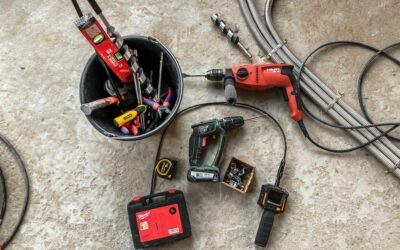
Tools and Materials
- Replacement membrane matched by size and GPD
- Housing wrench (usually supplied with the system)
- Needle-nose pliers
- Food-grade silicone lubricant for O-rings
- Clean towel, small bucket, disposable gloves
- Matching flow restrictor if changing GPD
- TDS meter for before-and-after checks
Step-by-Step: Replacing an RO Membrane
- Shut off water. Close the feed valve on the cold-water line and close the tank valve.
- Relieve pressure. Open the RO faucet and let it run until flow stops.
- Disconnect the line going into the membrane housing cap. Push the collet ring in and pull the tube free.
- Open the housing. Unscrew the cap by hand or with the housing wrench.
- Remove the old membrane with needle-nose pliers by gripping the center tube. Note which end went in first.
- Clean and inspect the housing interior and O-ring. Replace the O-ring if flattened or cracked; lubricate it lightly.
- Wash your hands, put on gloves and unwrap the new membrane.
- Insert it with the double O-ring end first, pushing firmly until it seats. The brine seal end stays at the cap.
- Close the housing and reconnect the tube.
- Restore water by opening the feed valve, keeping the tank valve closed. Check every fitting for leaks.
- Flush. Let the system fill and drain the first tank completely, or as the maker instructs. New membranes contain a preservative that must be rinsed out.
- Test. Measure TDS after flushing and record your new baseline.
Troubleshooting After a Membrane Swap
Low output. Check that the tank valve is open and the tank air charge is around 7 to 8 psi when empty. Clogged prefilters also slow flow.
High TDS reading. The membrane may not be seated, or the brine seal is reversed. Reseat it. Also confirm the flow restrictor matches the GPD.
Constant drain flow. A faulty automatic shutoff or check valve keeps water running to the drain. Replace the valve.
Leaks at the housing. The O-ring may be twisted or dry. Lubricate and reseat it.
Bad taste. Usually the post-carbon filter is old or the preservative was not fully flushed. Drain another tank.
Costs and When to Call a Pro
A standard reverse osmosis membrane usually costs a modest amount, roughly in the range of a few dozen dollars, with higher-GPD or proprietary cartridges costing more. A full prefilter set adds a similar amount. Professional service visits typically include labor plus parts and make sense for unusual systems.
Call a licensed plumber or water treatment professional if housings are cracked, you need to relocate the system, you want to add a refrigerator line, or your water has serious contamination needing a full water test. Any changes to supply lines or drain connections should follow local plumbing code.
Frequently Asked Questions
How often should a reverse osmosis membrane be replaced?
Typically every 2 to 3 years. Replace it sooner if TDS rejection drops below about 80 to 85 percent.
Can I upgrade to a higher GPD membrane?
Often yes if your housing is the standard size, but you will usually need a matching flow restrictor, and output still depends on water pressure and temperature.
What does an RO membrane filter remove?
It reduces most dissolved solids, including salts, lead, arsenic, nitrates and fluoride. Prefilters handle chlorine and sediment first to protect it.
Why is my new membrane producing high TDS water?
It may need a full flush, may not be seated fully, or the brine seal could be reversed. Check the restrictor size too.
Does the membrane need flushing after installation?
Yes. New membranes contain a preservative. Drain the first full tank, or follow the maker’s flushing instructions, before drinking.